


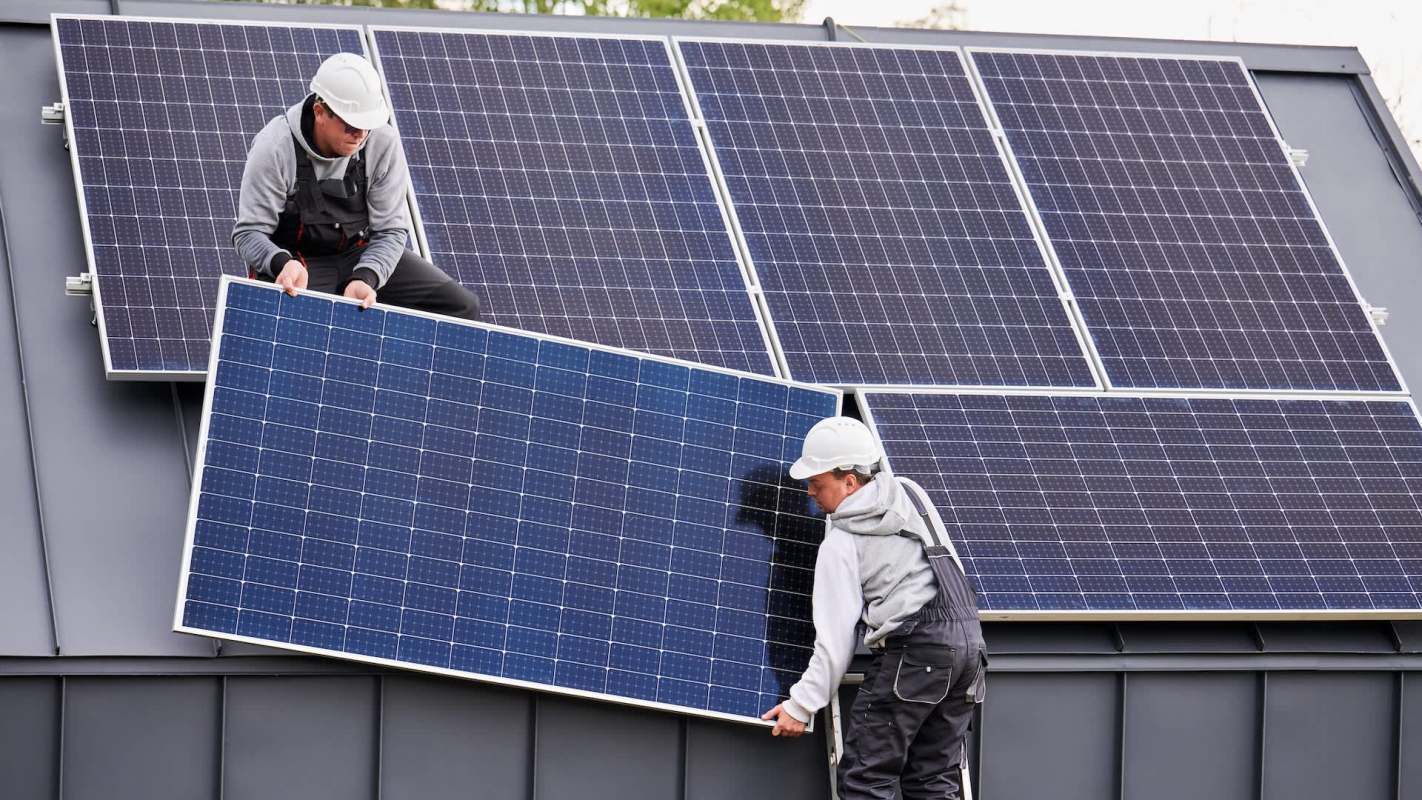
Declining solar prices are leaving would-be buyers with a familiar problem: acting now could mean paying more than they might in the future, but waiting can stretch on indefinitely.
For homeowners, that tradeoff often comes down to lower equipment costs on one side and the possibility of missing rebates, tax breaks, or months of utility bill savings on the other.
What's happening?
Many homeowners are confronting the same issue highlighted in a recent Reddit thread: with solar panel prices falling again, is it better to hold out for another dip or move ahead before incentives change?
The challenge is that, for consumers, solar pricing does not move in a straight line. Panels may become cheaper, but the total cost of a system also includes other equipment such as inverters and depends on labor, permitting, financing, and local demand.
According to EnergySage, the solar panels themselves are actually only about 12-13% of a solar installation's cost, since the panel materials themselves are not that expensive but the other costs all add up. (This, incidentally, is one of the reasons that solar farms and agrivoltaic systems are so affordable, as one damaged panel is not that expensive or difficult to replace.)
A lower equipment price six months from now does not necessarily translate into a lower final bill — especially when you consider that you could have been saving money on electric bills in the meantime.
There is also the question of incentives, particularly depending on location. State and utility programs can make a major difference in what people actually pay out of pocket, and those opportunities can shift faster than hardware prices.
Some companies that offer leasing or power purchase agreements, such as Palmetto, can also pass along federal tax incentives they gained from pre-paying for subscription-based solar projects, but those incentives are slated to go away for projects not placed in service by the end of 2027.
Save $10,000 on solar panels without even sharing your phone number Want to go solar but not sure who to trust? EnergySage has your back with free and transparent quotes from fully vetted providers that can help you save as much as $10k on installation. To get started, just answer a few questions about your home — no phone number required. Within a day or two, EnergySage will email you the best local options for your needs, and their expert advisers can help you compare quotes and pick a winner. |

Going solar is one of the best ways to save money on home energy, but figuring out when to act can feel overwhelming. For homeowners who want a clearer picture of today's market, EnergySage offers free tools to get quick solar installation estimates and compare quotes.
Why does it matter?
For many households, waiting is not a neutral decision. Even if equipment costs fall later, delaying can mean continuing to pay higher utility bills in the meantime and missing out on savings a solar system could already be delivering.
As one commenter said on the post, "The best time to buy solar was yesterday."
There is also a real possibility that the net cost could rise rather than fall if incentives shrink or disappear. In some cases, a modest drop in panel prices can be erased by changes to rebates, tax credits, or local compensation rules for excess power sent back to the grid.
More From EnergySage
💡Go deep on the latest news and trends shaping the residential solar landscape

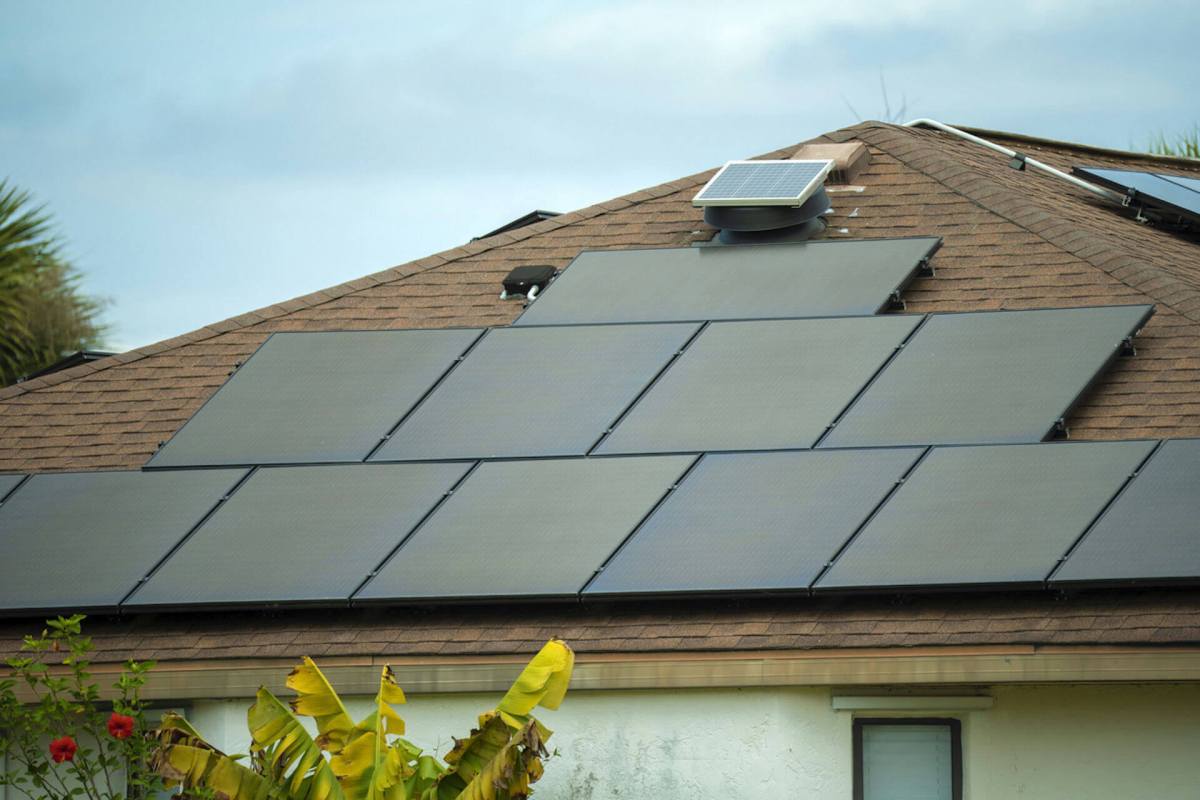

More rooftop solar can help reduce pollution from electricity powered by non-renewable energy sources while giving households greater control over their energy costs. When people wait too long, they may miss both the financial benefits and the environmental upside.
"Cheaper later" is not always the same as "better later." The best timing often depends less on predicting the market than on understanding the total price available to you now.
What can I do?
If you are considering solar, comparing multiple offers instead of trying to predict the absolute bottom of the market may provide a more realistic answer. Looking at the full installed price, financing terms, warranties, and available incentives can be more useful than focusing on panel prices alone.
EnergySage's free services can help remove much of that guesswork. Comparing quotes in one place can make it easier to determine whether today's deal is genuinely strong.
Homeowners can also use EnergySage's solar map, which shows the average cost of a home solar panel system on a state-by-state level, along with details on solar panel incentives for each state. Together, these resources can help readers get the best price for rooftop solar panels and access available incentives.
Adding battery storage to a solar setup is one of the best ways to protect your home in outages and save money. If you want to learn more, EnergySage also offers free tools for exploring home battery storage options, including competitive installation estimates.
As the original poster put it, "It feels like there is always going to be a cheaper price six months out," but "I also don't want to be the person who waited so long that the incentives disappeared and the net cost actually went up."

Get TCD's free newsletters for easy tips, smart advice, and a chance to earn $5,000 toward home upgrades. To see more stories like this one, change your Google preferences here.






