


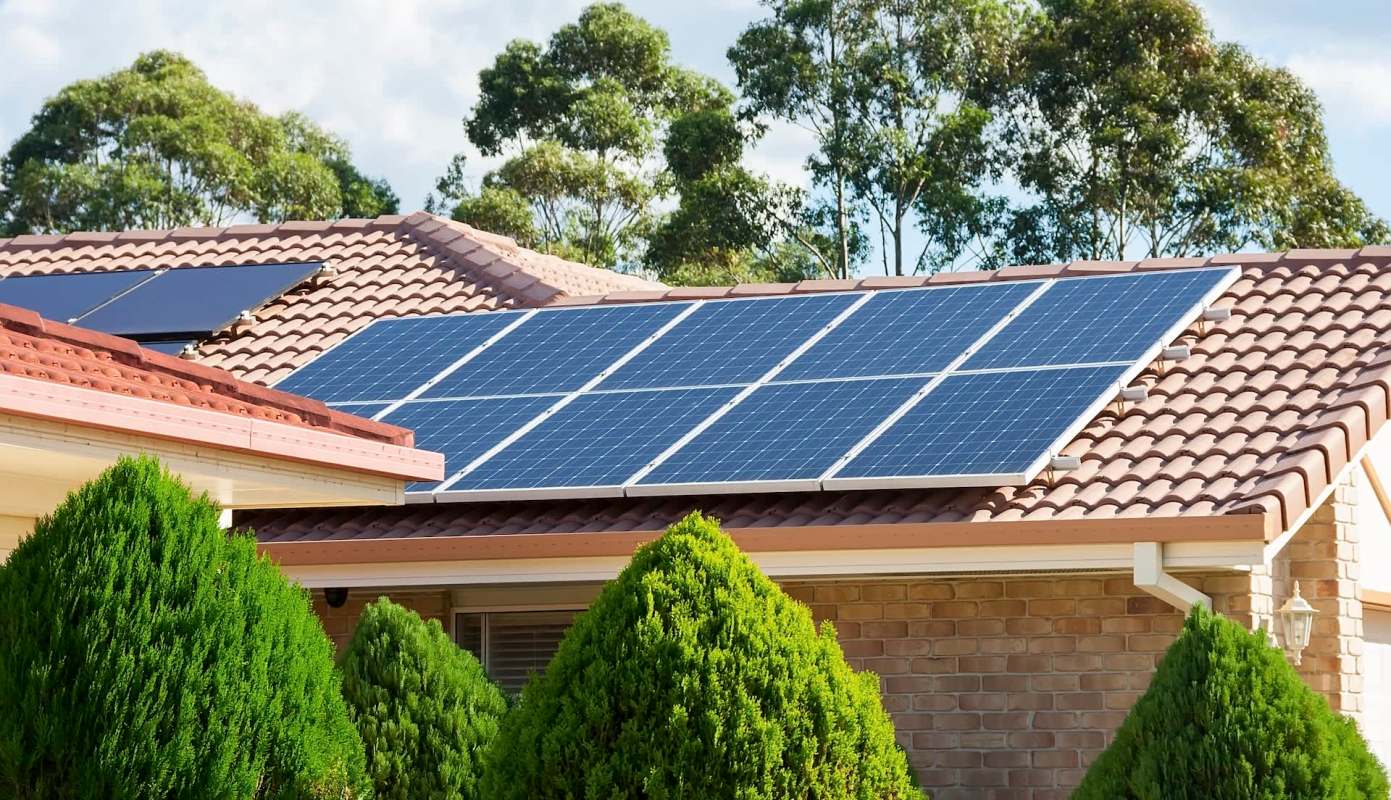
For homeowners considering solar, the panels are only part of the story. A Reddit discussion showed how much utility policies and local incentives can shape the payoff.
Here's what to know
The original poster said, "1:1 with annual true-up (got paid $900 in May), no TOU, good SRECs ($59.50/REC presently)."
Calling that mix a "solar sweet spot," the Reddit user said, "Very curious if anyone lives in a solar sweet spot," then noted that their own setup included just one item — "1:1 net metering" — while listing the three features they see as ideal: "1:1 Net Metering," "TOU rates with a decent differential," and "High value SRECs."
That checklist gets to the heart of solar economics. One-to-one net metering means electricity sent back to the grid is credited at the same rate as electricity pulled from it. TOU, or time-of-use, rates can make power more valuable during peak-demand periods. SRECs, or solar renewable energy credits, can create another income stream on top of utility bill savings.
Others described a much less generous arrangement.
One user said their export compensation was only "about 20c on the dollar" and came with "no state incentives, no SRECS, no utility incentive."
For households in more favorable markets, going solar can be one of the best ways to cut home energy costs. Homeowners can explore EnergySage before deciding whether the numbers make sense in their area.
More background
The Reddit user said roughly $60 in SRECs was enough to offset a monthly connection charge of around $9, while another user reported getting paid $900 through annual true-up under a 1:1 net-metering arrangement.
Save $10,000 on solar panels without even sharing your phone number Want to go solar but not sure who to trust? EnergySage has your back with free and transparent quotes from fully vetted providers that can help you save as much as $10k on installation. To get started, just answer a few questions about your home — no phone number required. Within a day or two, EnergySage will email you the best local options for your needs, and their expert advisers can help you compare quotes and pick a winner. |

Massachusetts also came up as a favorable place for solar. The user said, "MA hits most of the qualities for high ROI solar," and Reddit user u/4mla1fn said they received a $1,900 property tax credit.
Rather than sell excess production back under weak buyback terms, some homeowners turn to batteries. A homeowner said, "Put in enough battery to take in any excess solar production for about 75% of the year, so I don't really give the utility much extra."
What can be done?
Homeowners can explore EnergySage's solar map for more information. EnergySage's resources can help readers find the best price for rooftop solar panels and take advantage of available incentives.
Adding battery storage to a solar setup can also help homeowners keep more of their own solar power instead of selling it back under less favorable utility terms. You can explore EnergySage for information about home battery storage options.
More From EnergySage
💡Go deep on the latest news and trends shaping the residential solar landscape



Where can I learn more?
The Reddit thread shows how much the fine print matters once the panels are on the roof. Net metering rules, tax credits, rebates, and financing terms can shape whether a system just lowers monthly bills or actually puts money back in a homeowner's pocket.
• For many homeowners, 1:1 net metering can turn excess generation into meaningful bill credits.
• Zero-dollar-down solar leases cut upfront costs, but when the contract is up homeowners face choices.
• A little math shows some homeowners benefit from solar panel leases despite tradeoffs.
A strong solar setup often comes down to the policy details, not just the equipment. Getting familiar with credits, contracts, and utility rules can make it easier to tell when you've found a real solar sweet spot.

Get TCD's free newsletters for easy tips, smart advice, and a chance to earn $5,000 toward home upgrades. To see more stories like this one, change your Google preferences here.






