


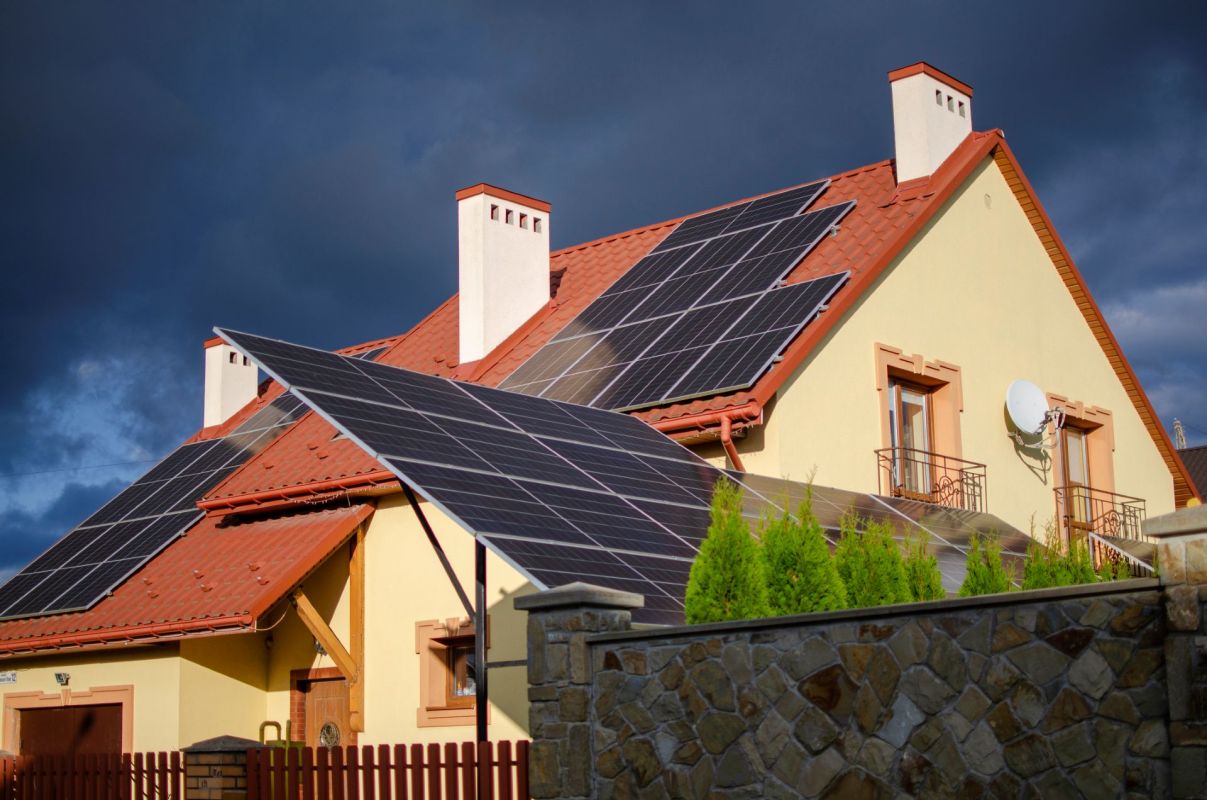
Two weeks after a solar-and-battery system was installed at a home in Perth, Western Australia, its owner says the setup sat idle because the installer didn't bring a smart meter to the install, and the company then asked for an extra $850 to complete the work.
Here's what to know
According to the homeowner in a Reddit thread in r/solar, the sales pitch included a verbal assurance that the existing solar equipment and the new system could both be combined into one system.
However, on installation day, the technician said he hadn't been told there was already a solar system at the property and therefore hadn't brought the smart meter needed to connect the two setups.
The homeowner said the follow-up quote to finish the job totaled $850, with $250 for the smart meter and $600 for labor and transport because the installer lives 62 miles away.
Crushed by your bills? See instant solar savings from vetted installers in just a few clicks With energy prices through the roof, there's never been a better time to go solar — and EasyHome can help you find the best prices from the best installers in your area. EasyHome takes the guesswork and headaches out of energy upgrades by showing you estimated savings from a network of vetted local partners. To get started, just enter your ZIP and share a few details about your home — seeing your estimate is really that easy. |

The homeowner was not happy with the second quote, saying: "I'm like fine ill pay the $250 for the meter (as that wasn't in the quote) but paying $600 for him to come back when he should of been told to bring it in advance is where I draw the line."
One commenter highlighted a difference between what sales says and what the contract says, writing, "Able to combine and agree to combine are two different things." He added, "it does not mean they would just do it without your agreement."
The original poster responded: "They told me on phone, that wont be a problem. Nothing in contract about it."
More background
Going solar is one of the best ways to save money on home energy, but only when homeowners can clearly compare what's included and what isn't. Using EnergySage to get free solar installation estimates and compare quotes can help shoppers catch missing items before work begins.
They also said the newly installed system was still not switched on after two weeks of daily calls and texts. Although the equipment had been installed, it was still not generating electricity or charging the batteries while the disagreement over the meter and the return-visit fee continued.
Commenters also questioned whether the additional hardware was necessary in the first place.
After being asked why a smart meter was needed, the original poster said, "They said couldn't get the two invertors to work together properly, so said I needed a smart meter to fix the issue..."
What can be done?
For anyone expanding an existing home solar setup with new panels, batteries, or another inverter, the safest move is to make sure everything is explicitly included in the paperwork.
More From EnergySage
💡Go deep on the latest news and trends shaping the residential solar landscape


That issue came up directly in the thread when one commenter asked, "Did you specifically request them to combine two into one, and is it on the contract black and white where they would perform the service?"
Comparison tools can also help prevent sticker shock. With EnergySage's help, the average person can save up to $10,000 on solar purchases and installations. EnergySage's solar map shows the average cost of a home solar panel system by state, along with details on solar panel incentives for each state; together, these resources can help homeowners get the best price for rooftop solar panels and access available incentives.
Adding battery storage to a solar setup is one of the best ways to protect your home during outages, save money on energy, and go off-grid. Homeowners who want to compare home battery storage options, including competitive installation estimates, can explore EnergySage for more information.
A clear contract protects both the homeowner and the company from an argument. This homeowner felt the effect of a spoken agreement first-hand: "I'm I in the right or wrong here folks? What can/should I do? Or should I just suck it up?"
Where can I learn more?
Homeowners dealing with problems like this one often want a better sense of how to vet installers, compare quotes, and avoid surprise costs. Other solar customers have run into misleading sales pitches, confusing pricing, and disappointing results after panels go up.
• A wary homeowner sought solar installation advice after hearing installer horror stories and service failures.
• EnergySage's COO investigated interconnected cost factors driving solar prices and confusing homeowner quotes.
• A new homeowner faced a $420 bill even after rooftop solar was part of the sale.
• One solar owner received 'ridiculous' charges from a utility company despite generating home power.
• In Florida, one homeowner turned an $800 power bill into a $300 credit with solar.

Get TCD's free newsletters for easy tips, smart advice, and a chance to earn $5,000 toward home upgrades. To see more stories like this one, change your Google preferences here.






