


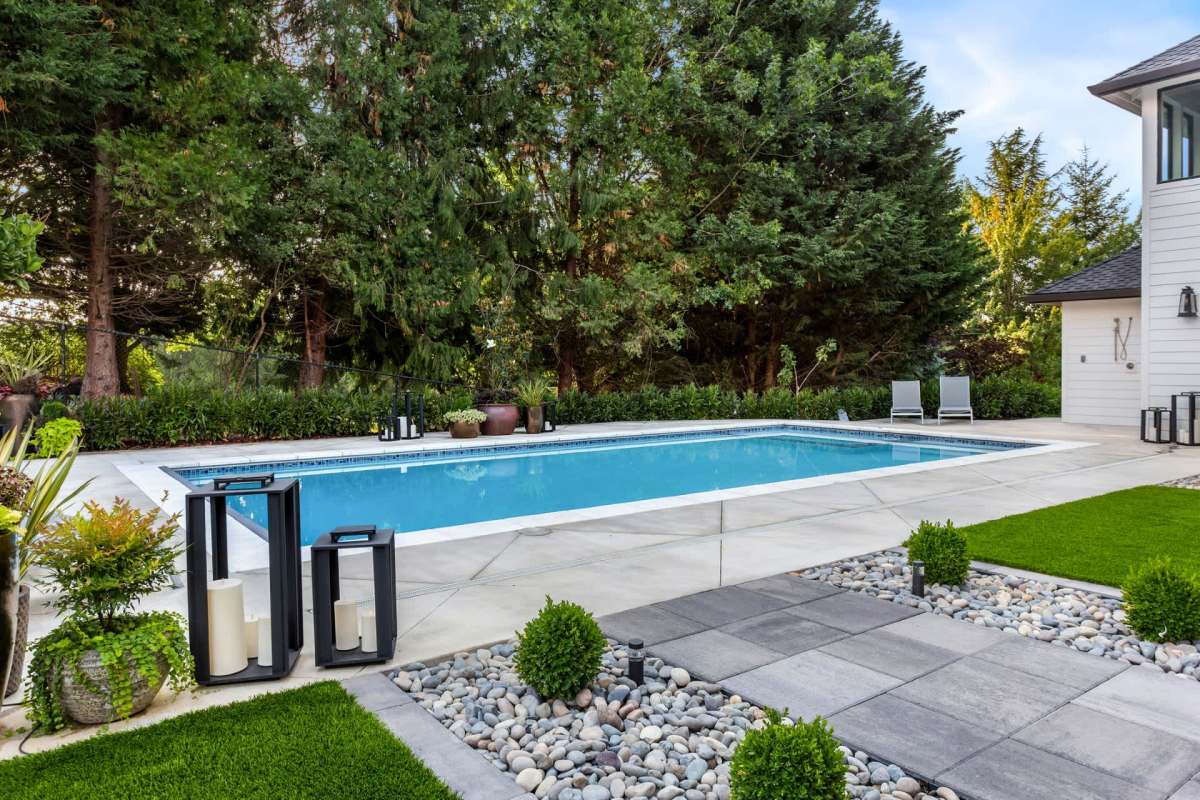
A renter in Arkansas looked at a solar installation from an unusual angle.
Instead of focusing on whether panels would shrink a monthly bill, they took to Reddit to ask whether a DIY system could power their pool without breaking the bank.
Here's what to know
The issue came up in a thread on r/SolarDIY, where the original poster said they wanted to run a pool pump and a few fans on land with "all-day sun."
The OP also said "people are saying a pro job would probably be $13k" and noted that the lower-cost alternative of running power from a nearby building would still be expensive.
They made it clear that price was the main concern, writing: "It's mostly a cost thing. I'm going to have to pay $4k to hardwire." Because the property was rented, they said the expense would be "just a free upgrade for my landlord." In their mind, a solar setup could be taken to their next property instead. Plus, "it could double as shade cover on the pool deck."
Ultimately, the OP asked, "Would it be worth it?"
One commenter said the technical homework should come before anything else, advising: "Measure [the power draw of the pump and fans] over time and the startup surge. That's where you start. I love the idea of the panels providing shade, by the way."
Another person shared their own experience, writing: "I asked the same thing for a 20kgal pool. It wasn't worth the price for me." They had been quoted $18,000 in New Jersey.
Save $10,000 on solar panels without even sharing your phone number Want to go solar but not sure who to trust? EnergySage has your back with free and transparent quotes from fully vetted providers that can help you save as much as $10k on installation. To get started, just answer a few questions about your home — no phone number required. Within a day or two, EnergySage will email you the best local options for your needs, and their expert advisers can help you compare quotes and pick a winner. |

A third commenter shot down the OP's idea, stating, "Highly doubt it would be worth the investment, especially for a rental property." Not every commenter agreed with this take, though, with one saying, "Short term no, long term yes."
The math can be clearer for homeowners, especially those with roofs that can support solar. For these people, going solar is one of the best ways to save money on home energy. If you're considering it, exploring EnergySage can help you get free solar installation estimates and compare quotes. Plus, people who use its free tools can save up to $10,000 on a solar purchase and installation.
And EnergySage's solar map shows the average cost of a home solar panel system by state as well as details on solar panel incentives in each state.
Where can I learn more?
Each of these stories weighs whether solar is the best move. They also show how ownership, system size, and long-term savings can shift the math.
More From EnergySage
💡Go deep on the latest news and trends shaping the residential solar landscape
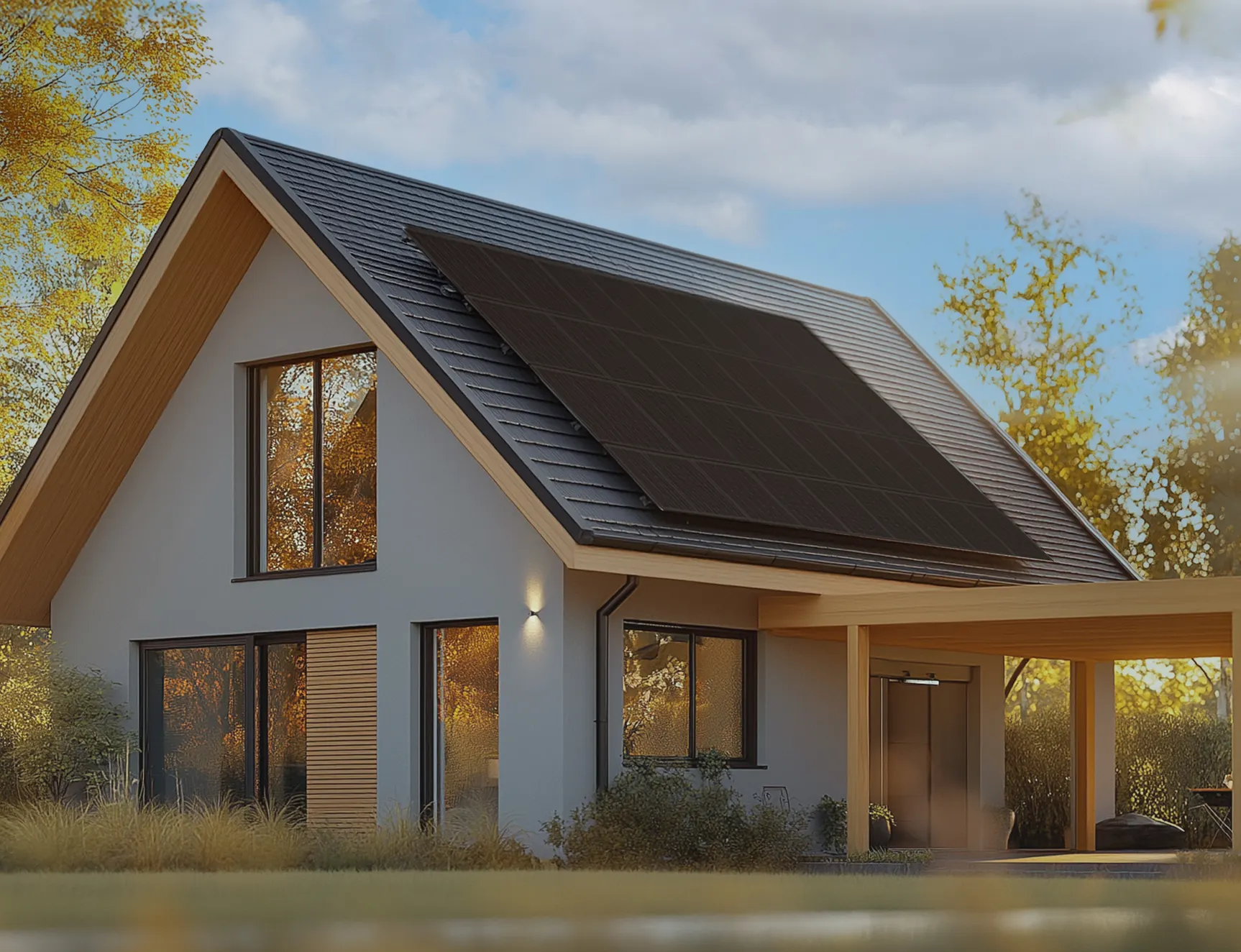
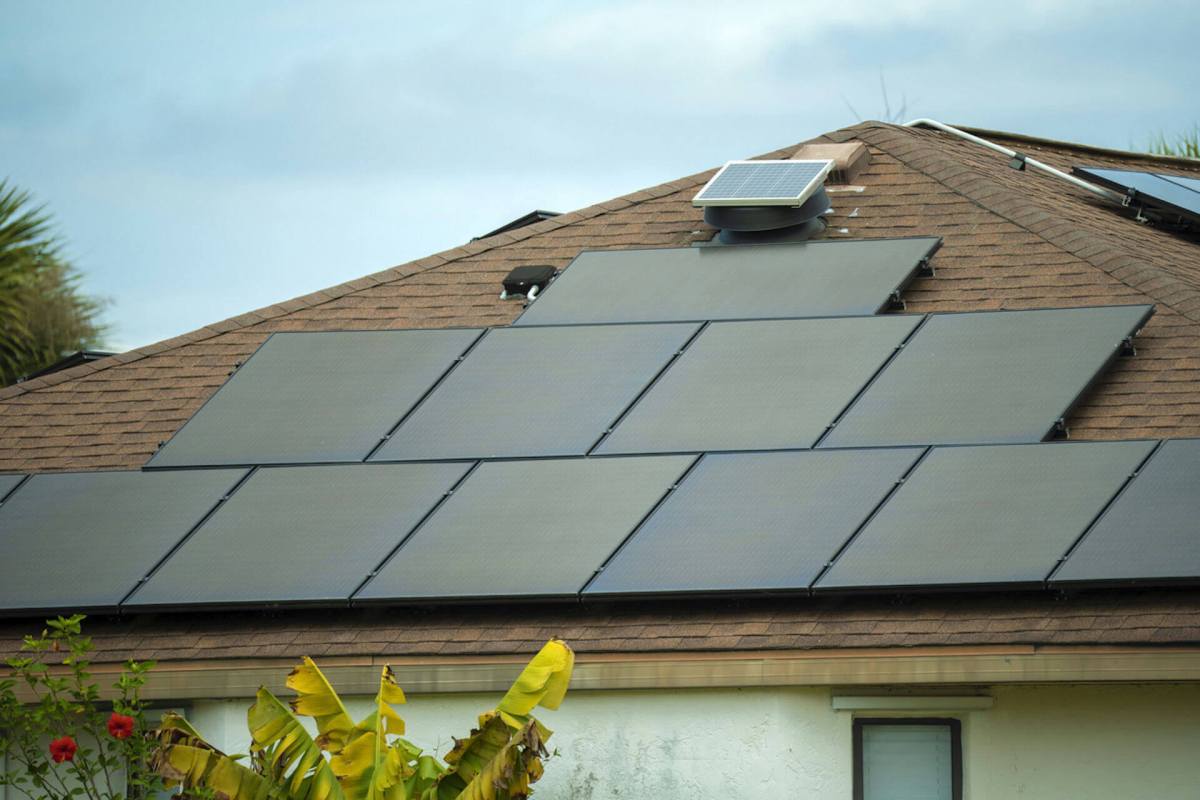
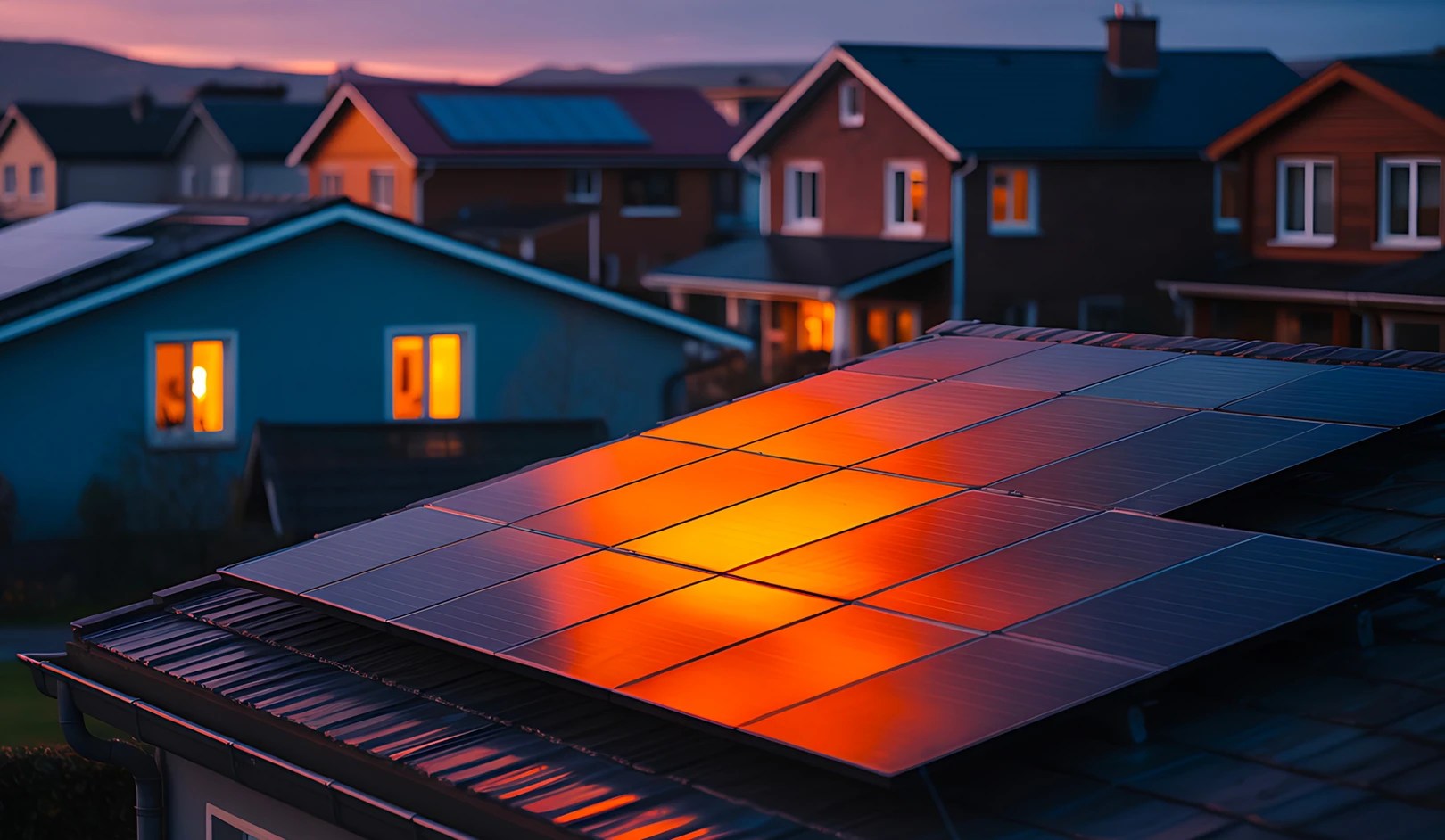

• One renter said they had paid only one electric bill since going solar 10 years ago.
• For homeowners, powering up with solar starts with system size, incentives, and installation costs.
• Across the U.S., households can save over $1,500 every year with rooftop solar.

Get TCD's free newsletters for easy tips, smart advice, and a chance to earn $5,000 toward home upgrades. To see more stories like this one, change your Google preferences here.






