


A South Texas homeowner says a carefully tracked solar-and-HVAC upgrade has made electric bills a nonissue — and the numbers suggest the project could pay for itself in about 4.5 years.
For the July-August period, the homeowner used separate charts to break down several key measures, including solar generation, lower household consumption, electricity bought from the utility, and overall system results.
Here's what to know
In the Reddit post, the homeowner estimated the project has delivered about $3,700 in savings and could save roughly $4,900 per year, pointing to a payback period of about 4.5 years. They also said the revised tracking setup made those savings easier to understand.

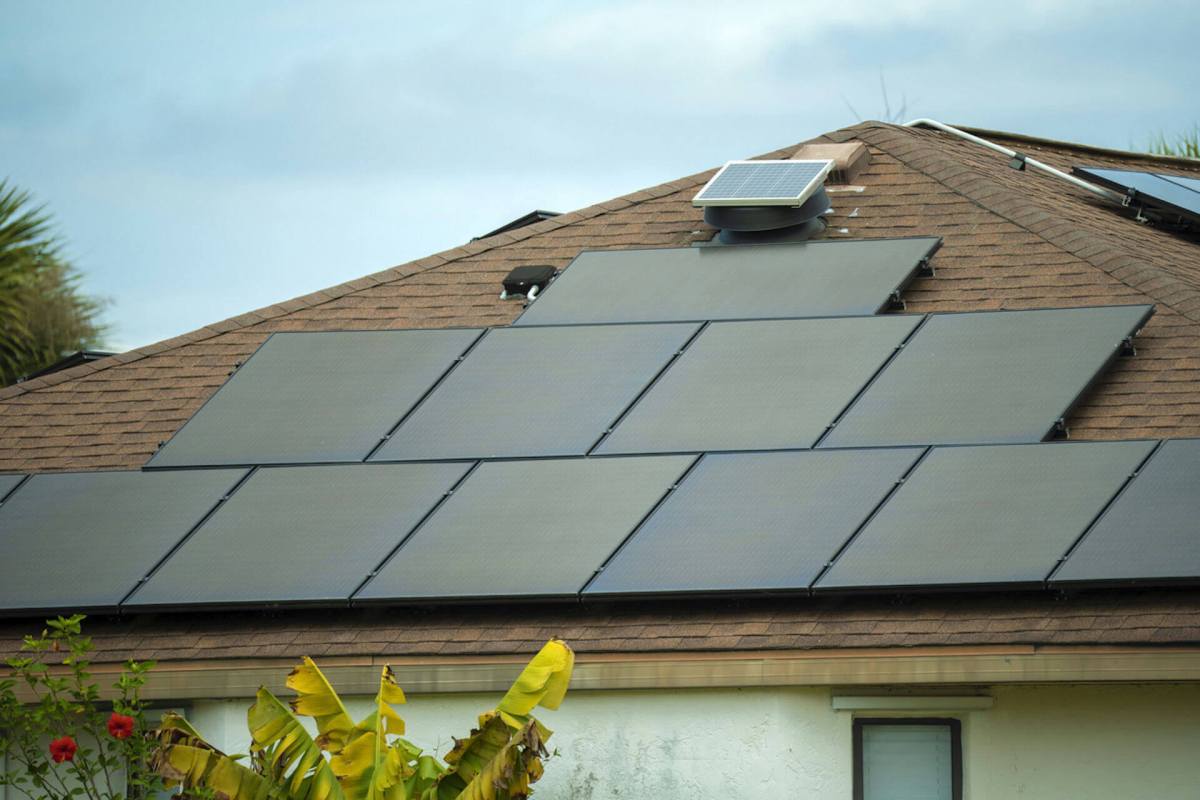
Under an ERCOT buy-sell plan with Discount Power, the home purchases electricity at $0.166 per kilowatt-hour and earns $0.049 per kilowatt-hour for surplus solar exports. The system includes 32 IQ8HC units and 8 IQ8+ micros, and it does not use battery storage.
Crushed by your bills? See instant solar savings from vetted installers in just a few clicks With energy prices through the roof, there's never been a better time to go solar — and EasyHome can help you find the best prices from the best installers in your area. EasyHome takes the guesswork and headaches out of energy upgrades by showing you estimated savings from a network of vetted local partners. To get started, just enter your ZIP and share a few details about your home — seeing your estimate is really that easy. |

According to the homeowner, the minisplit work accounted for the biggest drop in power use, with a heat pump water heater also providing a substantial reduction.
Tools such as EnergySage let you get free solar installation estimates and compare quotes in one place.
More background
Lower power use from a minisplit and heat pump water heater can translate to cheaper cooling and hot water month after month, while rooftop solar helps offset what a household still needs from the grid.
Even while staying connected to the grid, the homeowner said excess solar production has outweighed the home's remaining energy costs. As a result, the household has not had a utility bill.
"It's not about how much you produce — it's about how much you pay (or don't pay)," the original poster wrote.
What can be done?
Efficiency upgrades such as minisplits, heat pump water heaters, better insulation, and smart monitoring often improve solar economics by reducing the amount of electricity a home needs in the first place.
EnergySage's free services can simplify comparing installers and equipment. Meanwhile, EnergySage's solar map shows the average cost of a home solar panel system by state, along with details on solar panel incentives for each state. Together, these resources can help readers get the best price for rooftop solar panels and access available incentives.
Adding battery storage to a solar setup is one of the best ways to protect your home during outages, save money on energy, and go off-grid. It can also let homeowners keep more of the power they generate for use after sunset or when utility compensation changes. If you're interested in that route, you can explore EnergySage for information about home battery storage options, including competitive installation estimates.
More From EnergySage
💡Go deep on the latest news and trends shaping the residential solar landscape



"The biggest savings was had from the Minisplit subproject. The heat pump water heater was another major consumption reduction improvement. The residual has more than been made up for by selling excess solar back to the utility — to the point where I haven't paid a utility bill since January," the original poster wrote.
Where can I learn more?
This South Texas setup fits a common pattern: homeowners tend to get the best results when they lower energy use first, then use solar to cover what's left. Location, timing, and battery storage can all change the savings picture.
• In Texas, timing and tax credits helped a dad secure a negative $7,000 utility bill.
• Across Australia, experts say fixing drafts before solar can unlock about $4,000 in yearly savings.

Get TCD's free newsletters for easy tips, smart advice, and a chance to earn $5,000 toward home upgrades. To see more stories like this one, change your Google preferences here.






