


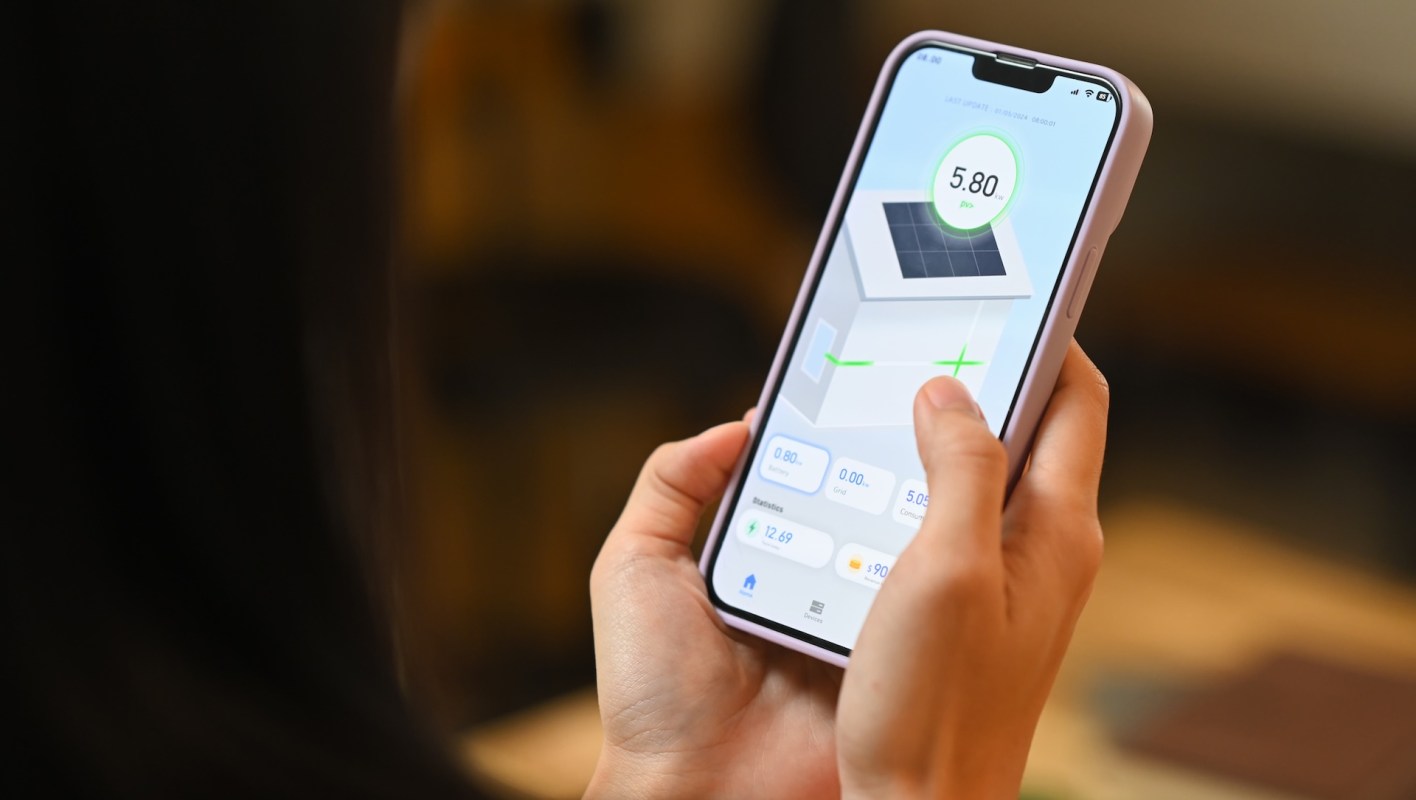
A homeowner using solar power in South Carolina expected rooftop generation and a battery backup to keep grid use low. They then opened a utility bill showing more than 900 kilowatt-hours imported from the grid.
What happened?
The Reddit post centered on a disconnect between the household's monitoring data and the utility statement. The original poster said a Franklin solar-and-battery setup activated in November had been configured to favor solar generation and stored power.
"Everything in my apps is saying that I am using very little from the grid and exporting a good bit back to the grid," the OP started. "My most [recent] electric bill from mid May to mid June was over $150 and says we used more than 900kwh in electricity from the grid."
Replies focused on a few possible causes, including the way South Carolina handles exported power, whether all household loads were actually connected to the backed-up system, and whether the meter itself was appropriate for solar.
One commenter asked, "Did the utility replace the meter when you got solar? My meter in Maryland only went one direction - when I sent power to the grid it charged me for that power until a net meter was installed."
Others suggested that some circuits might bypass the backup setup, or that the homeowner could still be buying electricity overnight even after sending power to the grid during the day.
TCD Picks » Quince Spotlight
💡These best-sellers from Quince deliver affordable, sustainable luxury for all




Later, the OP clarified, "I'm … using Duke Energy. I have my system set up to never charge from grid. … Called the Solar Company waiting to hear back from them."
Why does it matter?
A mismatch like this can cause serious bill shock. If the problem is a monitoring or setup error, correcting it could save a household money.
Even when the system is functioning correctly, the details of net metering still affect the outcome. If daytime exports are not credited one-for-one and the battery runs low overnight, homeowners can still end up paying more than expected.
The value of rooftop solar depends on generating electricity and how that electricity is measured, stored, and credited.
What can I do?
If your solar app and electric bill are far apart, make sure you are comparing the same billing period. Then, ask your installer to review whether the current transformers were installed correctly and whether all major household loads are actually covered by the solar-and-battery system, while the utility confirms that the home has the correct bidirectional or net meter.
It is also worth checking whether heavy loads, like HVAC or EV charging, were left on a non-backed-up panel.
As one commenter noted, "The worst case scenario for this is like EV charger or HVAC. Can easily do 900kwh a month on EV if the only load. But a lot of HVAC could potentially do that too."
You can also pair solar panels with efficient electric appliances to drive your utility costs even lower. If you would like the benefits of adding solar panels to your home, look no further than EnergySage. Its free tools can help you get started. You could even save up to $10,000 on costs with competitive bids from vetted, local installers.
If you're not looking to make that large of an investment, but still want energy bill savings from solar, try leasing panels for $0-down with Palmetto.

Get TCD's free newsletters for easy tips, smart advice, and a chance to earn $5,000 toward home upgrades. To see more stories like this one, change your Google preferences here.






