


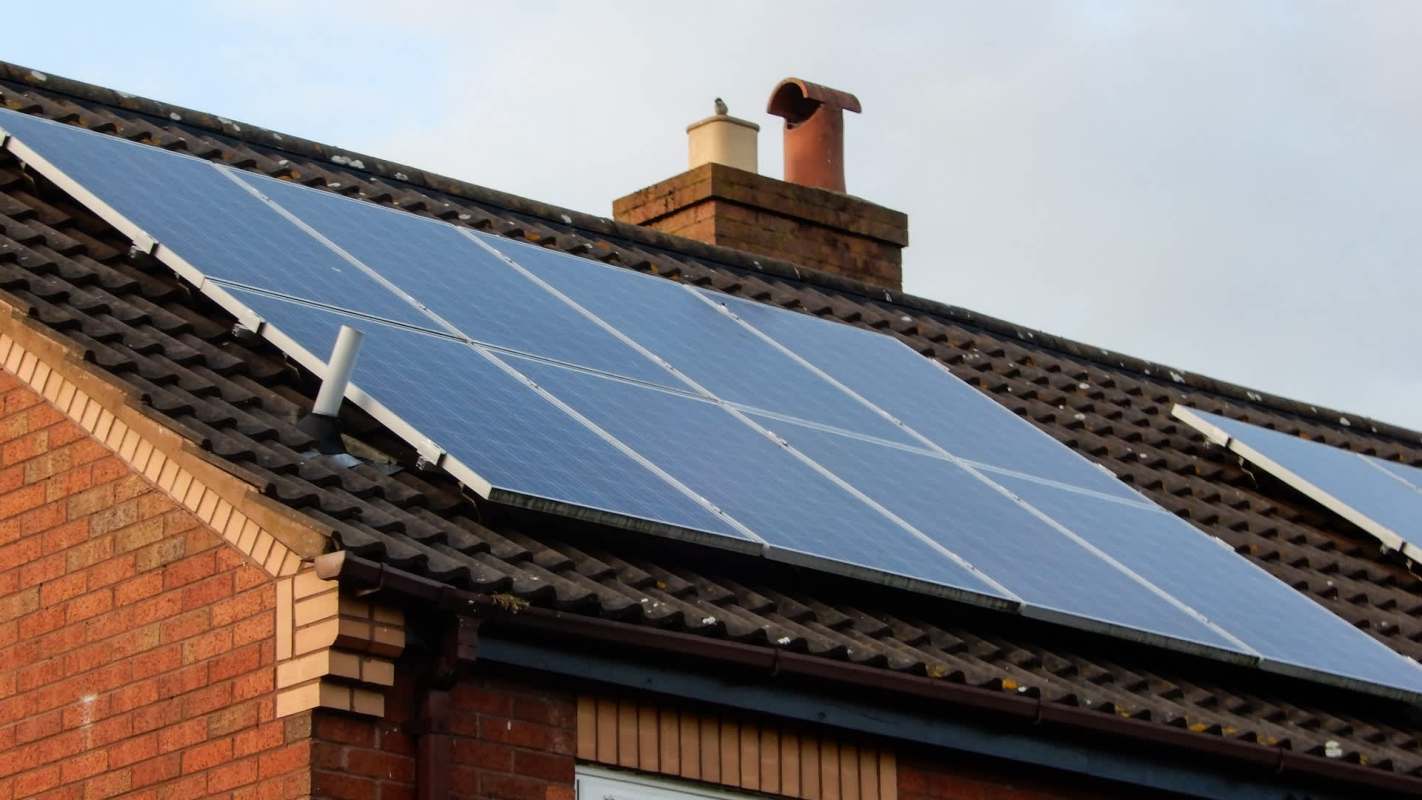
A U.K. homeowner said a 5.6-kilowatt solar system paired with 23 kilowatt-hours of battery storage cut electricity purchases to zero over its first six months and came in about £1,050 ($1,400) ahead of the same period a year earlier.
Those results appear to depend not only on the equipment itself, but also on tariff choices, electric vehicle charging patterns, and ongoing system adjustments.
Here's what to know
According to a Reddit post on r/SolarUK, the installation went in during April on a southwest-facing roof, with a 6-kW inverter, two EVs, Octopus IOG, and Octopus Agile Export all part of the setup.

Compared with the same period last year, the owner described the outcome as £1.05k saved, having "paid for no electricity," and having "to date completely offset" their gas bill.
Alongside the post, the owner shared a Sankey chart mapping energy flows and flagged two limitations: system losses were "high (but unavoidable, they are mainly heating my garage)," and some peak-rate imported electricity still could not be eliminated despite repeated attempts to reduce it.
This household said just six months of tracking pointed to four-figure savings. Solar leases, in particular, can deliver hundreds of dollars in monthly savings with no upfront costs, and readers can use EasyHome to see pricing and savings from vetted installers in their area.
More background
They did not describe the outcome as hands-off. Part of the setup involves what they called "drive the system hard with Predbat," a home-energy automation tool, and they noted that year-over-year comparisons are imperfect because the household had only one EV at that point last year.
That same shift in usage also complicates the payback calculation. The owner estimates savings by comparing each day's cost with the same date a year earlier and counting the difference as savings, a method they called "a bit rough and ready."
Crushed by your bills? See instant solar savings from vetted installers in just a few clicks With energy prices through the roof, there's never been a better time to go solar — and EasyHome can help you find the best prices from the best installers in your area. EasyHome takes the guesswork and headaches out of energy upgrades by showing you estimated savings from a network of vetted local partners. To get started, just enter your ZIP and share a few details about your home — seeing your estimate is really that easy. |

Using that approach, they put payback at "currently about 4.2 years," while also warning, "I have not had a winter yet so it is going to increase."
They also said payback had "recently improved due to the increase in peak tariffs at the beginning of October."
Beyond the main hardware, the owner said returns can also be shaped by details such as Axle's benefits, stronger Agile export earnings when exports are scheduled into prime slots, and the need for more monitoring of household consumption using newly ordered smart plugs.
What can be done?
The outcome here seems to reflect operating strategy as much as hardware.
The Redditor pointed to a combination of solar, a large battery bank, EV-friendly tariffs, and active scheduling of both charging and export.
For visualization, the owner said they used a "Home Assistant Sankey Card Chart," customized with data from multiple sources.
That level of monitoring surfaced issues such as peak-rate seepage and untracked household consumption, which they could then address.
For homeowners who want to explore a setup without guessing, EasyHome offers a free explorer tool to compare pricing and estimated savings from vetted installers. EasyHome can also help readers explore backup battery storage options, and pairing solar with a battery can maximize savings while letting homeowners power their home with solar when the grid goes down.
The owner's 23-kWh storage system appears central to shifting charging times, avoiding power purchases, and timing exports for better returns.
The OP said, "It's quite a bit of work to tweak it - but I actually enjoy getting the most out of the system."
Where can I learn more?
This Reddit case isn't the only example of solar and storage lowering power costs. Other articles look at homeowners, communities, and companies using both to cut bills and manage energy more effectively.
• A homeowner said rooftop solar panels cut a punishing electricity bill and left them stunned.
• In England, residents raised £440,000 for the UK's first community-owned battery to save wasted solar.
• As utilities push costly upgrades, rooftop solar can save you from decades of higher bills.
• Homes with solar panels can save about $700 each year on electricity costs.

Get TCD's free newsletters for easy tips, smart advice, and a chance to earn $5,000 toward home upgrades. To see more stories like this one, change your Google preferences here.






