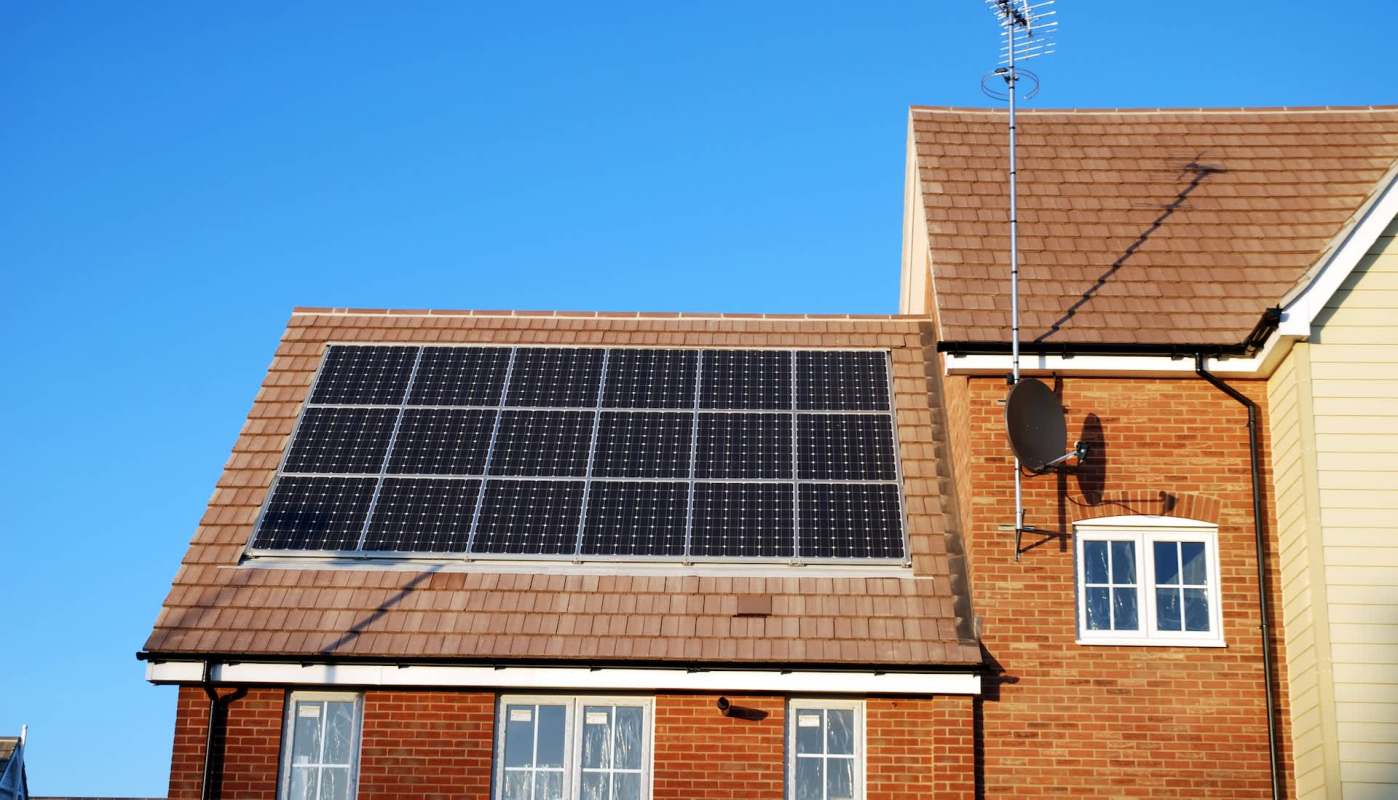
A homeowner in northwest London turned to Reddit with a question many shoppers face before committing to a major home upgrade: Is a £15,000 ($19,900) solar-and-battery quote actually a good deal?
Here's what to know
The proposed package in the Reddit thread combined 16 panels rated at 485 watts each, for 7.76 kilowatt-peak in total, with several Sigenergy components and standard installation items. The quote also covered a 10-kilowatt inverter, two Sigenergy batteries, a Sigenergy Energy Gateway, bird protection, scaffolding, mounting hardware, and grid-approval/certification paperwork.
"Our average electricity usage is around 15kWh per day, which is one of the reasons I've gone for the 20kWh battery," the original poster said. "The plan is to make good use of cheap overnight rates, charge the battery overnight when needed, and then run the house from it during the more expensive part of the day, alongside storing excess solar. Usage will probably increase in the future as well with an EV."
One commenter responded, "Looks spot on to me."
"Sounds like a great price … I paid £18k for 13 panels, plus a DC charger," another added.
"Shop around, you will get that cheaper," another person advised. "I had quotes in the £12k range for 16 (515w)panels. … Prices have increased through the year but that still seems high to me."
TCD Picks » Quince Spotlight
💡These best-sellers from Quince deliver affordable, sustainable luxury for all




More background
Quote-checking like this has become increasingly common as more households weigh whether solar panels and home batteries can meaningfully reduce their utility bills.
Because systems can vary widely depending on roof type, battery size, mounting needs, and grid-connection requirements, many buyers compare their quotes with those from people in similar regions before making a final decision.
The quote may be broadly in line with expectations, but local pricing, hardware preferences, and installer margins can still shift the final cost by thousands of pounds.
What can be done?
Request multiple quotes and compare more than just the top-line price.
Battery capacity, usable storage, warranty terms, gateway features, export limits, and labor costs can all shape the overall value of a system. It also helps to match the design to how a household actually uses electricity.
A 15-kilowatt-hour daily load, interest in overnight charging, and the likelihood of a future EV all make battery storage a more central part of the decision than it might be for a home with lower usage.
Where can I learn more?
When choosing a solar panel system, a lot of factors need to be considered. But the long-term benefits can be immense.
• In the U.K., home solar and batteries could cut bills by 44% as the energy cap rises.
• According to EnergySage, interconnected factors shape solar installation costs far more than many homeowners expect.
• Online, homeowners did some math on panels and challenged passive-income hopes with real numbers.
• Energy experts estimated rooftop solar panels can save homeowners $31,000 to $120,000 over time.
• On Facebook Marketplace, solar-curious shoppers found eye-popping deals for solar by considering used panels.

Get TCD's free newsletters for easy tips, smart advice, and a chance to earn $5,000 toward home upgrades. To see more stories like this one, change your Google preferences here.