


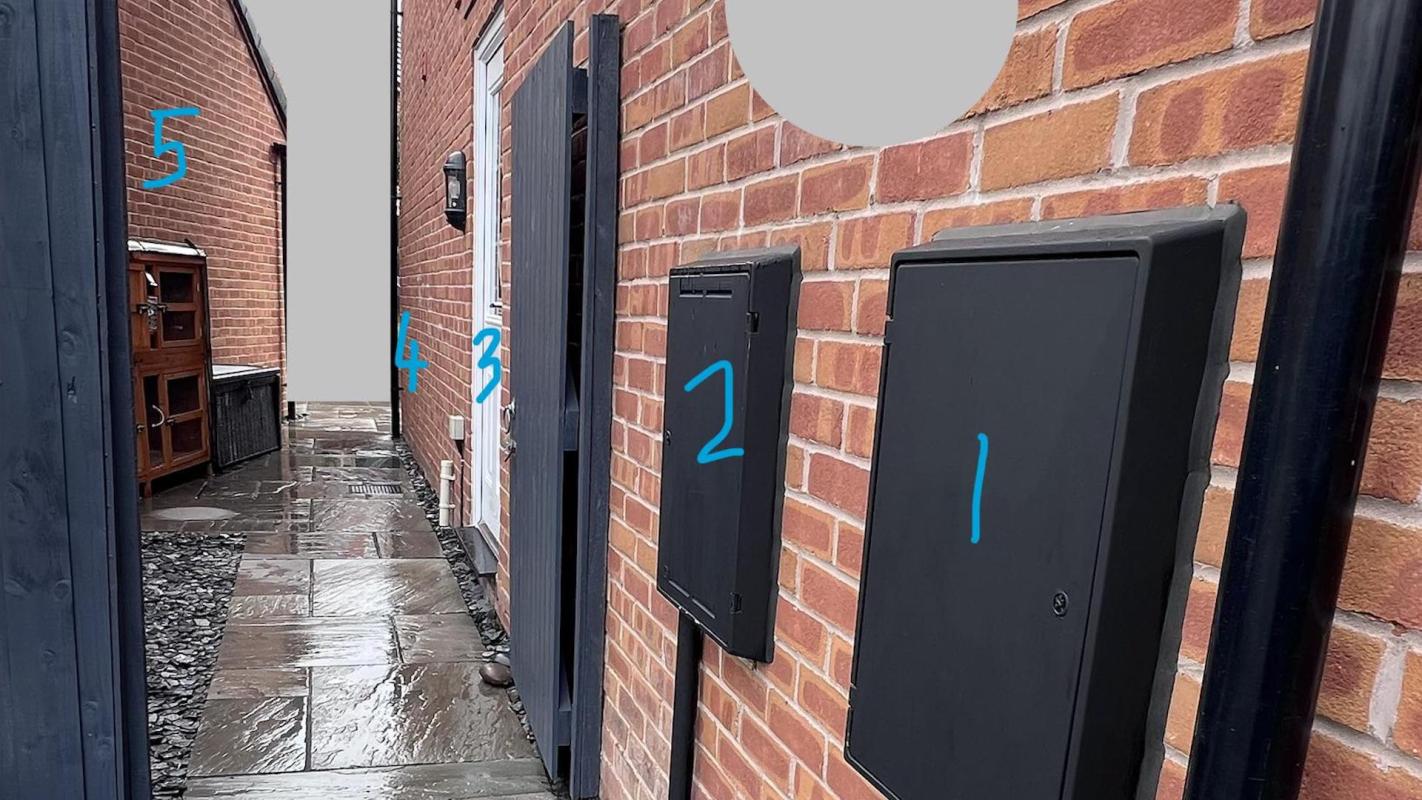
After reviewing options for a home solar project, a U.K. homeowner went to Reddit to get a clearer picture of how the wiring and equipment placement might work with a detached garage.
The replies indicated that the setup they wanted might be possible, but with one major limitation: the gateway is usually installed near the home's incoming mains supply and electric meter, even if the battery, inverter, and EV charger are located in the garage.
Here's what to know
The homeowner described a property in the Reddit post with a separate garage, solar panels planned for the rear roof, and a preferred layout that would place the battery and inverter in the garage while mounting the EV charger on the front of it.
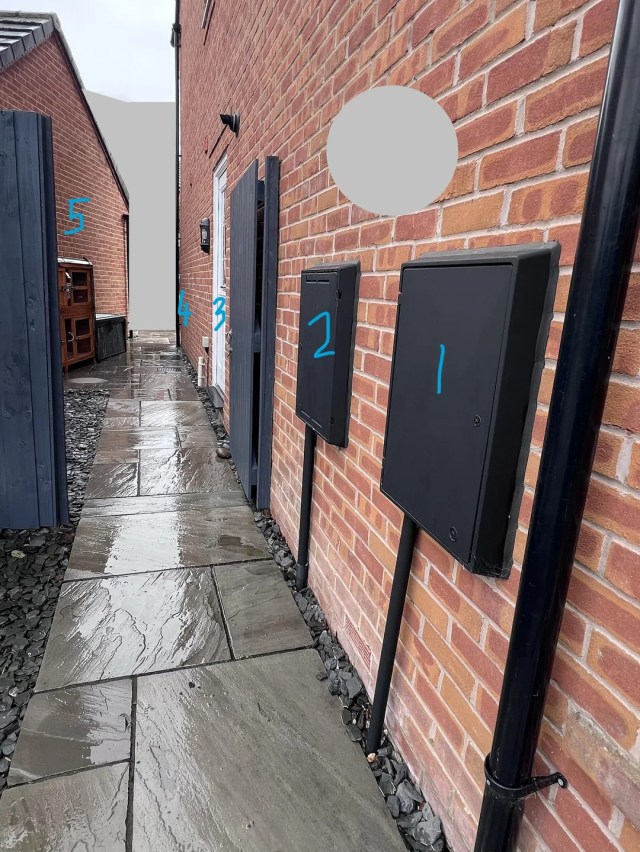
"What I am struggling to visualise based on the picture is where could the gateway go?" the OP asked.
Crushed by your bills? See instant solar savings from vetted installers in just a few clicks With energy prices through the roof, there's never been a better time to go solar — and EasyHome can help you find the best prices from the best installers in your area. EasyHome takes the guesswork and headaches out of energy upgrades by showing you estimated savings from a network of vetted local partners. To get started, just enter your ZIP and share a few details about your home — seeing your estimate is really that easy. |

They added, "Is what I am asking achievable and reasonable?"
Luckily, redditors were happy to offer advice on where the gateway could go.
One user said, "The gateway goes close to your mains incomer. And intercepts the tails after the meter."
So while garage-based battery storage may still be workable, it would usually require added links between the meter area and the garage, such as armored cable and separate paths for DC and data connections.
Another user said, "The gateway will go next to or above your electric meter. No need to run anything into the consumer unit."
While the installation process can be complicated, going solar is one of the best ways to save money on home energy, especially when comparing system layouts and equipment ahead of installation. Homeowners can explore EnergySage to get free solar installation estimates and compare quotes.
More background
A layout that seems simple in theory can become more involved once a detached garage has to be tied back to the main supply, potentially requiring trenching, conduit, additional isolation hardware, or a longer armored cable run.
The homeowner also said they did not want to make the side path harder to use and hoped any underground work could include conduit for future cable pulls.
More From EnergySage
💡Go deep on the latest news and trends shaping the residential solar landscape

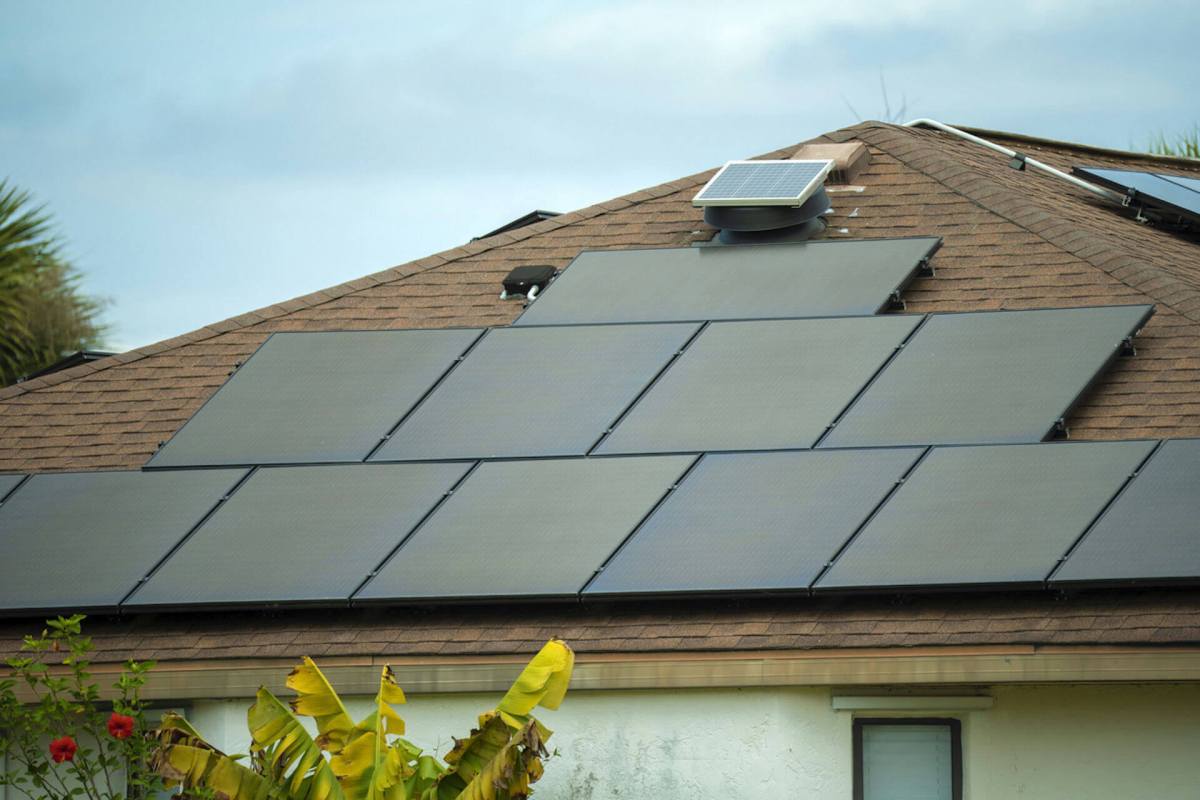

One user suggested, "Personally, I'd put the battery and inverter on the house wall near the back of the house."
What can be done?
Getting multiple site-specific quotes and asking each installer to map out the exact cable route, gateway location, and any trenching requirements can help clarify the likely scope of work.
That can make it easier to compare not just the sticker price but the total value of the project.
EnergySage's free tools can help with that process. With EnergySage's help, the average person can save up to $10,000 on solar purchases and installations. And EnergySage's solar map shows the average cost of a home solar panel system on a state-by-state level, along with details on solar panel incentives for each state. Together, those resources can help you get the best price for rooftop solar panels and access available incentives.
To get even more out of your solar panels, you can add battery storage to protect your home during outages, save money on energy, and go off-grid. It can also make a system more flexible when paired with electric-vehicle charging and backup-power planning. Homeowners can explore EnergySage for information about home battery storage options, including competitive installation estimates.
Of course, getting installation estimates and set-up advice beforehand can be useful
One user shared their set-up: "I dug the trench for the conduit. My thinking is that I'm paying the solar team for electrical installation; anything else I ask them to do is risk that they'll cost into the quote."
Where can I learn more?
Questions about cable runs, battery placement, and meter-side equipment can quickly turn into bigger decisions about cost and long-term savings. Financing, battery economics, meter-adjacent hardware, and real household results can influence whether a more complex setup is worth it.
• Palmetto and SunPower are offering home backup batteries without upfront costs to homeowners.
• In many states, net metering changes make home batteries harder to justify on savings alone.
• ConnectDER has developed a device that could prevent costly rewiring for EV chargers and solar.
• EnergySage has shown interconnected factors behind solar costs can reshape installation quotes.
• In Ohio, one retired engineer used rooftop solar to produce 'negative' energy bills at home.
For homeowners trying to decide if a more involved solar-and-battery layout is worth the hassle, that added context can be useful. It can also make quote comparisons a little easier once real-world installation constraints start pushing up the final price.

Get TCD's free newsletters for easy tips, smart advice, and a chance to earn $5,000 toward home upgrades. To see more stories like this one, change your Google preferences here.






