


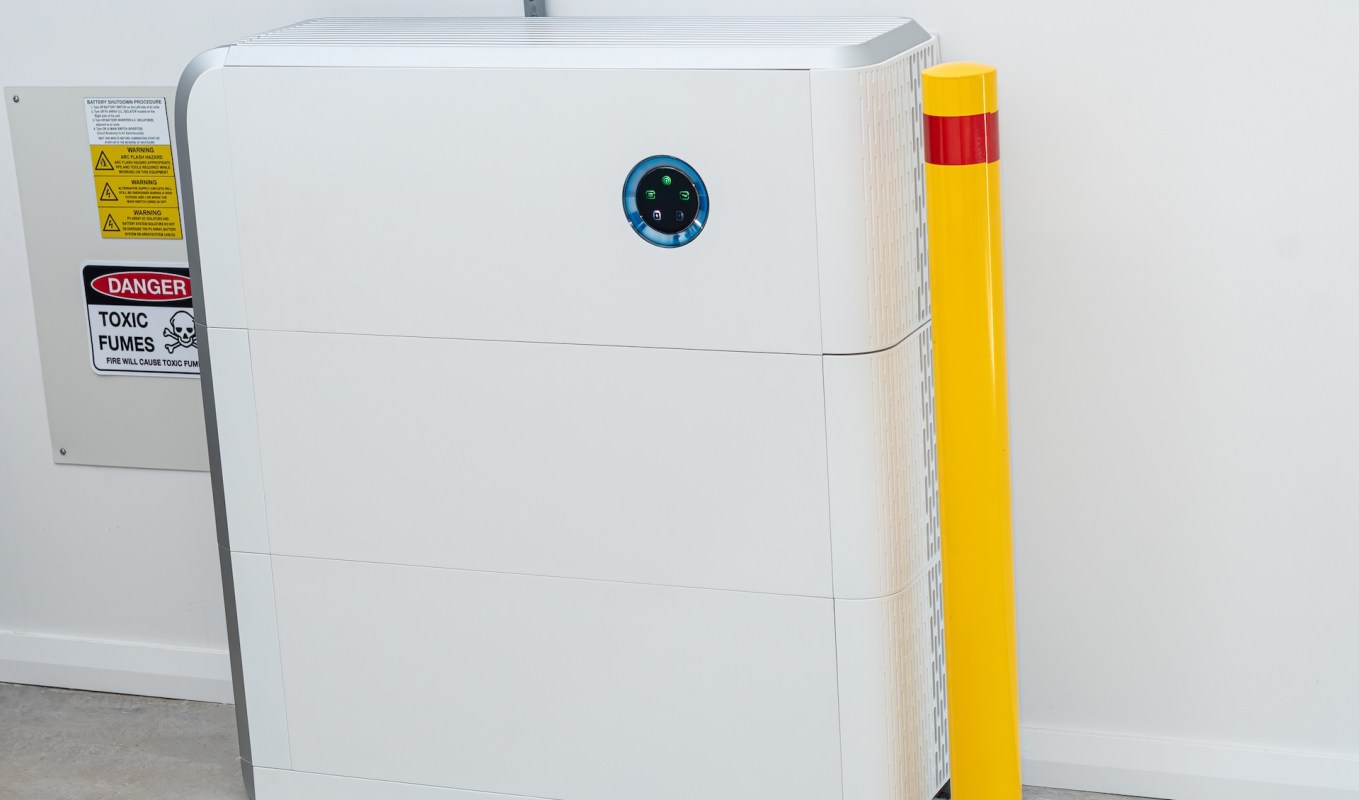
After one prospective solar customer repeated a salesperson's warning that a home battery backup "usually doesn't cover the full night," it sparked a discussion online.
Here's what to know
"I thought the whole point of sizing to your electricity bill and your day/night usage is to cover that electricity? Maybe I'm missing something," the original poster said on Reddit's r/SolarDIY community. "… If anyone can help me understand, with a different perspective, that would be so helpful."
Commenters focused on a basic distinction: that battery size and battery charging are separate issues. A bigger battery can hold more electricity, but the solar panels and inverter still need to produce and deliver enough power during the day to fill it.
"I have no idea what Claude or the salesperson is trying to tell you," one user wrote. "But you can absolutely size your solar array and your battery to cover your power consumption needs, provided you have the space, funds, and enough sunlight to do so."
Another added: "This isn't true. My batteries last all night. Remember, you use a lot less power at night than during the day."
As multiple commenters noted, overnight electricity plays a major role. Powering a few lights, internet equipment, and a refrigerator is very different from running central air, electric heat, or other heavy appliances for hours after the sun goes down.
What can be done?
Battery storage remains one of the best tools available for households seeking cleaner backup power and more control over energy costs. During blackouts, it can keep critical devices running without the fumes and fuel costs associated with a gas generator. On a day-to-day basis, it can also help homeowners store solar energy for later use.
But batteries, especially alongside a solar array, are a major investment. And while the right setup can lower utility bills and improve resilience, mismatched expectations can leave homeowners frustrated.
Save $10,000 on solar panels without even sharing your phone number Want to go solar but not sure who to trust? EnergySage has your back with free and transparent quotes from fully vetted providers in your area. To get started, just answer a few questions about your home — no phone number required. Within a day or two, EnergySage will email you the best options for your needs, and their expert advisers can help you compare quotes and pick a winner. Solar panels can save you more than $50k over their 25-year lifespan, and EnergySage can help you save as much as $10k on installation. Which begs the question — isn't that worth an email or two? |

If you're weighing whether storage makes sense for your home, it may be worth exploring EnergySage and its free tools to compare home battery storage options and get competitive installation estimates.
For people who do not need a full-house setup, Pila offers batteries that can power individual appliances, such as a fridge, through power outages.
Where can I learn more?
Questions about batteries usually spill into bigger solar choices, including whether storage is worth the extra money, which setups save the most, and how much to trust a salesperson's pitch. The stories below show how homeowners sort through those issues, compare real-world savings, and vet big promises before they sign.
• One homeowner skipped the battery and found adding an EV charger made solar work.
• Homeowners got candid about whether solar panels lowered their bills enough to justify installation.
• An energy expert said "too good to be true" claims often hide costly solar terms.
Battery sizing is only one piece of the solar decision. Looking at storage trade-offs, potential bill changes, and sales tactics can help homeowners ask good questions before they commit.

Get TCD's free newsletters for easy tips, smart advice, and a chance to earn $5,000 toward home upgrades. To see more stories like this one, change your Google preferences here.






