


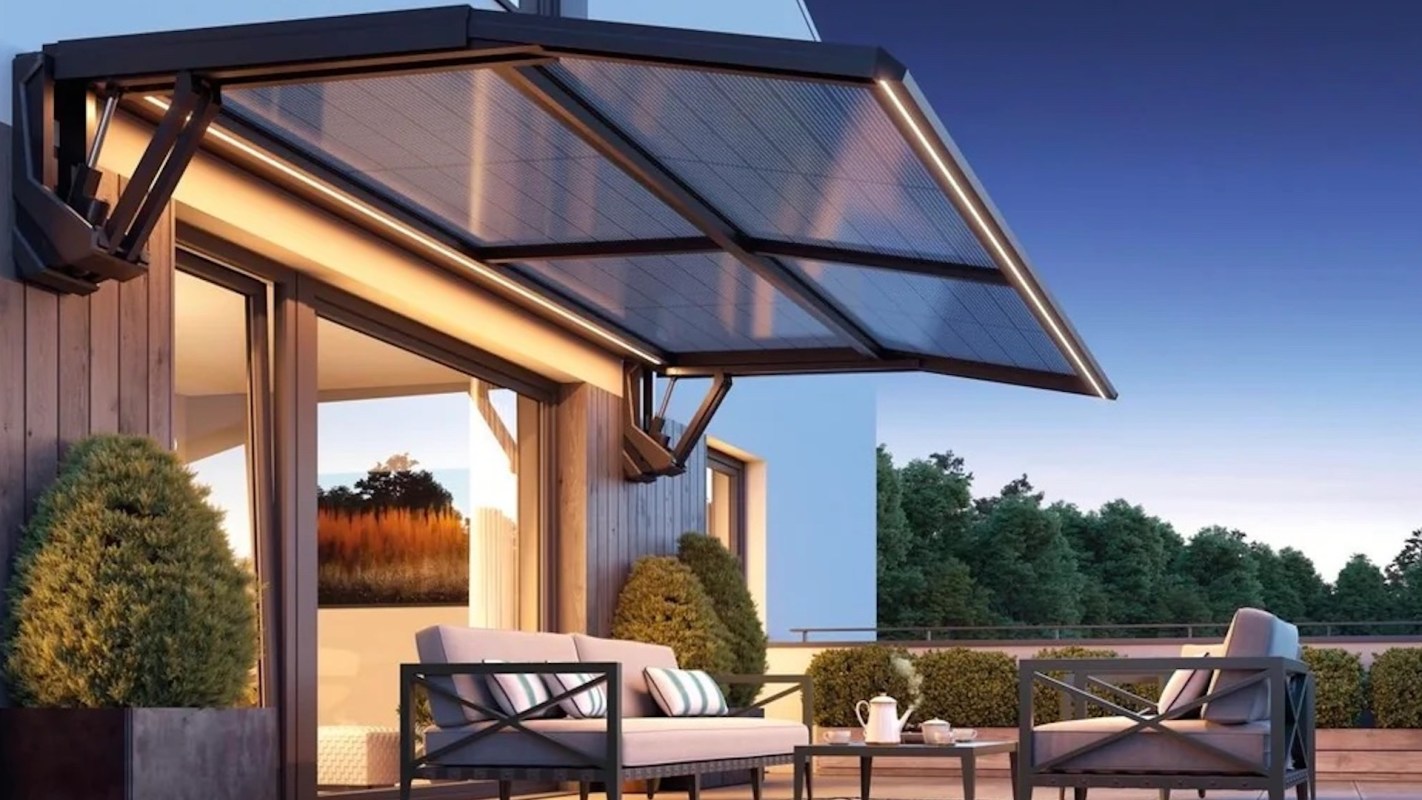
Solar awnings sound like a simple enough concept. Use solar panels as the awning itself, and you get both shade and extra electricity from space that might otherwise go unused.
That idea is getting attention online after one resident asked Reddit's r/SolarUK community, "Why aren't these more common?"
Here's what to know
The person who started the discussion said they already had solar panels and battery storage, but were looking into whether an awning-style installation could add more output without cramming extra panels onto the roof.
The original poster was also asking about likely costs and whether planning rules make these systems harder to install than they first seem. OP wrote, "I've never heard of them until now. Looks like a great alternative for balcony solar… [Does] anyone actually got one?"
Crushed by your bills? See instant solar savings from vetted installers in just a few clicks With energy prices through the roof, there's never been a better time to go solar — and EasyHome can help you find the best prices from the best installers in your area. EasyHome takes the guesswork and headaches out of energy upgrades by showing you estimated savings from a network of vetted local partners. To get started, just enter your ZIP and share a few details about your home — seeing your estimate is really that easy. |

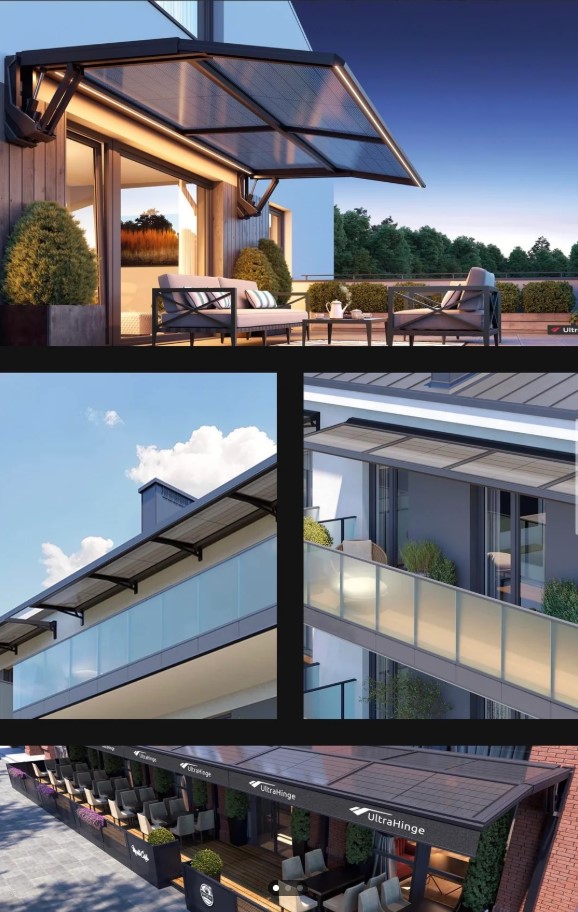
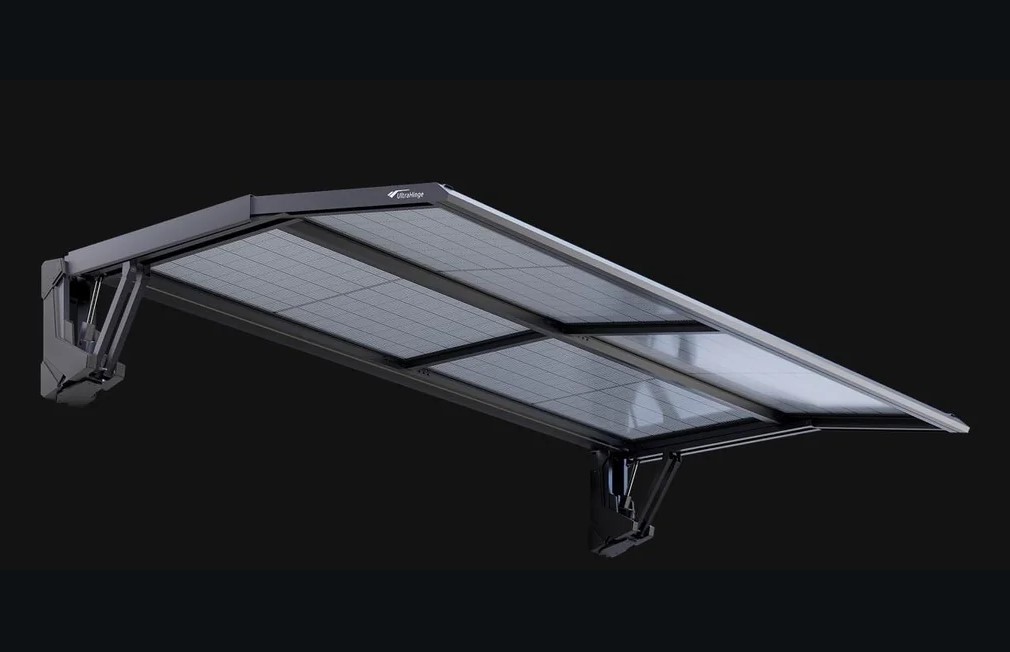
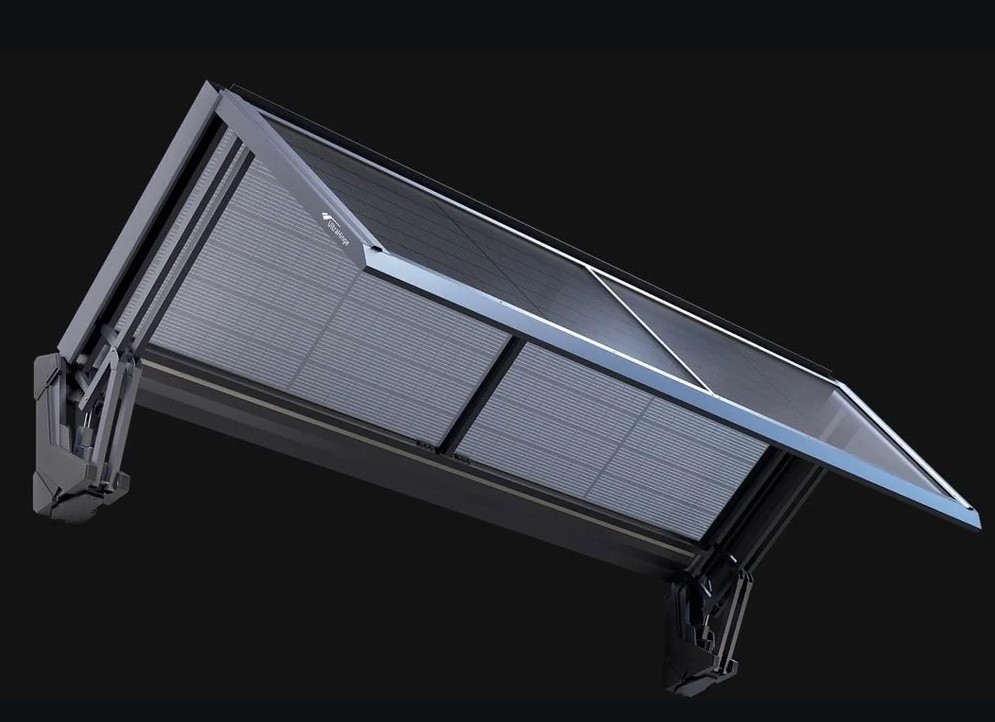
One commenter said GB-Sol installed a full-length, wrap-around veranda in the UK, with the panels acting as the roof. They said the setup has 6.4 kilowatts of generation capacity and includes a Tesla Powerwall for storage.
The same commenter also noted, "It was definitely not a cost-recovery based decision… But it's beautiful and useful, so I'm very happy with it… In terms of planning, it did take a bit of wrangling."
Another commenter said more projects like this should be allowed without such stringent permissions, partly because added shade could help people cope with heat.
More background
Part of the appeal is that a solar awning can do two jobs at once. It can create a sheltered area, help shade doors or windows, and produce clean electricity rather than functioning as a separate add-on.
For households that cannot easily expand a rooftop system, whether because roof space is limited, the roof shape is awkward, or a balcony rules out a standard array, the idea could provide another path to generating power.
Even when payback is not the main goal, some homeowners may still like the added shade, the look of the structure, and the extra power.
In the United States, though, projects like these have long been prohibited. Yet, dozens of states are pushing to legalize plug-in solar arrays, also known as balcony solar, to help more people install smaller-scale solar panel projects.
If you're looking into saving money on home energy with solar, check out EnergySage's free tools. They can get you free solar installation estimates and help you save up to $10,000 on a solar purchase and installation.
More From EnergySage
💡Go deep on the latest news and trends shaping the residential solar landscape

Plus, EnergySage's solar map shows the average cost of a home solar panel system by state, along with solar panel incentives for each state, helping readers find the best price for rooftop solar panels and access available incentives.
Where can I learn more?
Solar awnings are part of a bigger effort to get more power-generating use out of homes and businesses, especially when roof space is tight. The articles here cover a few angles of that idea, from canopies to major rooftop projects to a business owner's take after years with solar.
• Heliowings is rolling out a freestanding 'versatile' solar canopy for homes in under a day.
• In Scandinavia, developers completed Scandinavia's largest rooftop solar array across a Denmark-Sweden industrial site.
• After three years, a business owner said having solar at their business still made sense.

Get TCD's free newsletters for easy tips, smart advice, and a chance to earn $5,000 toward home upgrades. To see more stories like this one, change your Google preferences here.






