


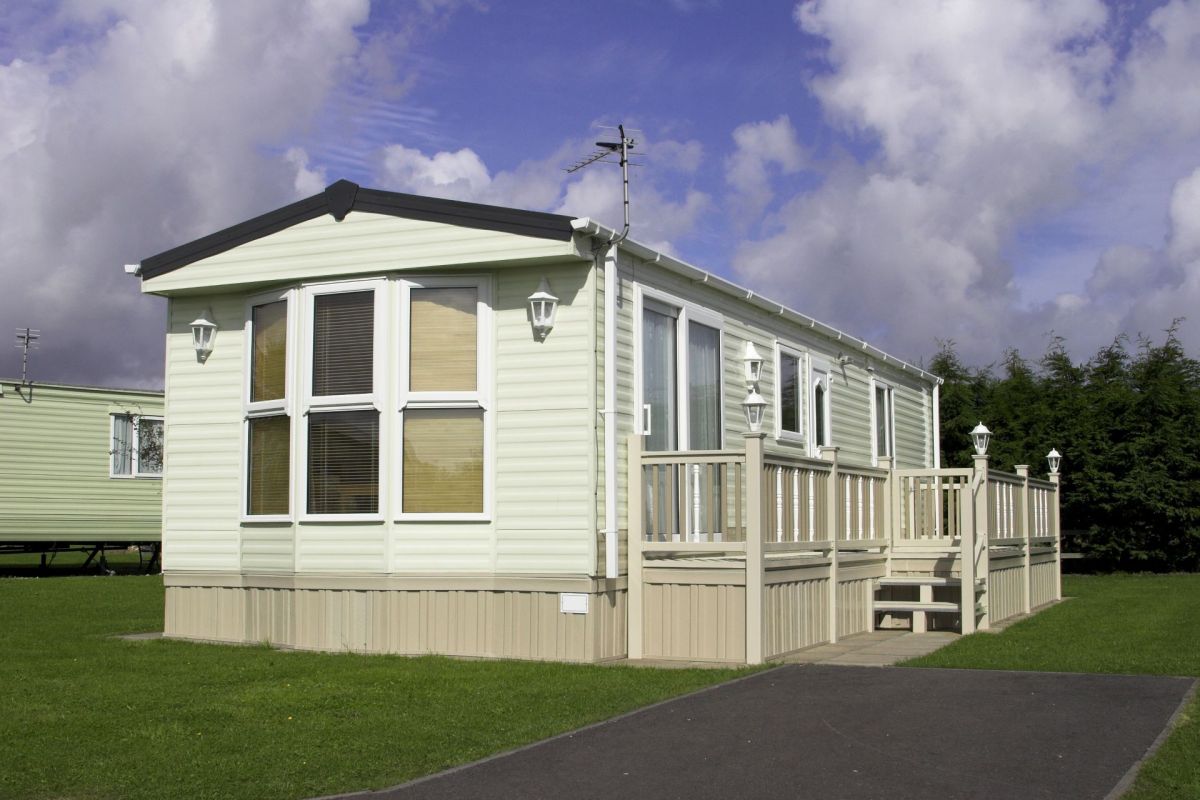
An Alabama resident preparing to inherit a doublewide turned to social media for beginner solar advice after seeing their summer electricity bills hit $400.
But instead of panel recommendations, the conversation quickly focused on the home's efficiency.
Here's what to know
In a Reddit thread on the site's r/SolarDIY forum, the original poster said they were just getting started with solar and wanted guidance on a setup for a doublewide in Alabama with very high summertime power costs.
OP wrote, "I'm very new to solar," and added, "our doublewide runs a $400 power bill in the summer and I'm supposed to inherit it very soon. Any tips and solar system recommendations greatly appreciated!"
Crushed by your bills? See instant solar savings from vetted installers in just a few clicks With energy prices through the roof, there's never been a better time to go solar — and EasyHome can help you find the best prices from the best installers in your area. EasyHome takes the guesswork and headaches out of energy upgrades by showing you estimated savings from a network of vetted local partners. To get started, just enter your ZIP and share a few details about your home — seeing your estimate is really that easy. |

The top response did not start with panel sizing or product picks. Instead, it treated the steep seasonal bill as a sign that improving insulation and cutting cooling waste could make more sense before paying for a solar system large enough to cover that level of use. The user wrote, "You need to insulate the trailer as much as possible. It's leaking the AC out."
The same commenter added, "If you are in a park with a small lot you'll have to emphasize using less power before trying to generate more."
Essentially, if a doublewide is losing too much cooled air, adding solar does less to solve the real problem. In that case, the homeowner may end up needing a larger, more expensive system just to keep pace with summer demand.
What can be done?
The practical advice in the thread was to tighten up the home first by improving insulation and reducing cooling loss, then look at solar pricing based on lower energy use.
Still, the doublewide owner was right: going solar is one of the best ways to save money on home energy, especially once a high-usage home has been tightened up. Homeowners can try EnergySage to get free solar installation estimates and compare quotes. Those who do can save up to $10,000 on installations.
Homeowners can also use EnergySage's solar map, which shows the average cost of a home solar panel system on a state-by-state level as well as details on solar panel incentives for each state.
Where can I learn more?
For homeowners facing steep bills, these stories show why efficiency upgrades and solar planning often go hand in hand.
• A new homeowner found rooftop panels still allowed a $420 first bill.
More From EnergySage
💡Go deep on the latest news and trends shaping the residential solar landscape

• A Mid-Atlantic homeowner weighed narrow roof limitations, gas heat, and historic restrictions.
• Careful shoppers save money by comparing solar quotes first instead of rushing.

Get TCD's free newsletters for easy tips, smart advice, and a chance to earn $5,000 toward home upgrades. To see more stories like this one, change your Google preferences here.






