


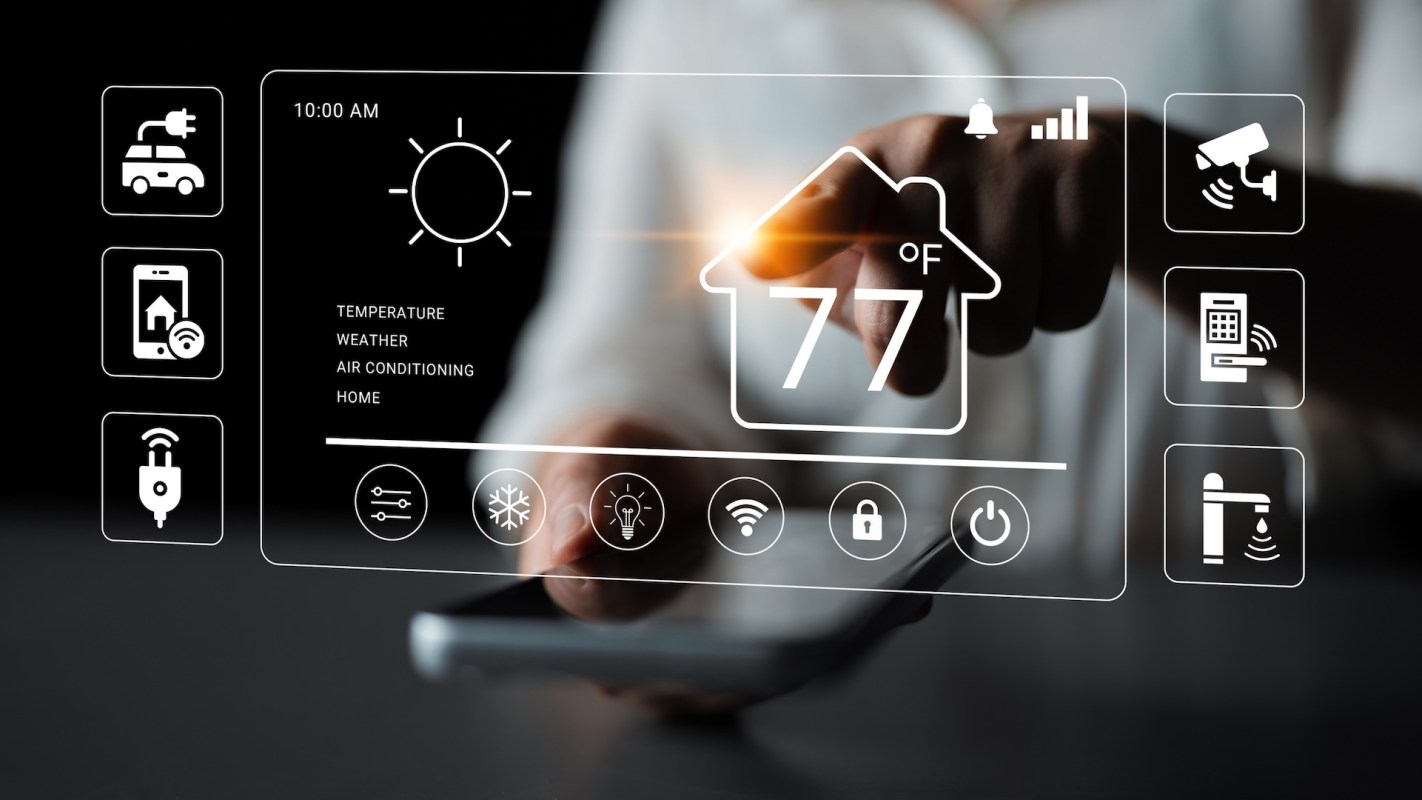
If you're thinking about upgrading your heating and cooling system, a smart thermostat can help lower your energy use and reduce utility bills.
For many homeowners, though, it's unclear what exactly the device is tracking inside the home.
Here's what to know
According to ACHR News, contractors should be prepared to explain what information smart thermostats gather and how that data supports different features, especially as privacy concerns rise across the country.
To work properly, these devices usually record your schedules and preferences, note whether the system is heating or cooling and how the fan is set, and measure the difference between the current indoor temperature and the set point you choose, per ACHR. Some models also depend on built-in or external sensors to monitor humidity or determine whether a room is occupied.
A lot of the privacy unease around connected devices comes from not being told clearly why certain information is needed. In this case, the report said some data is necessary for a smart thermostat to stay accurate and useful, but that does not mean every available feature has to be turned on.
Nick Dalsin, vice president of product and software at Resideo, a smart appliance company, told ACHR that some data requests that sound invasive are actually linked to optional convenience tools.
For example, a home's location can be used for weather-based adjustments, while a phone's location can power geofencing so the thermostat can tell when someone is away and automatically reduce energy use.
Dalsin added that homeowners who are not comfortable sharing specific information can simply leave those personalized features disabled. So it is still possible to choose a more efficient system without using every connected function on offer.
Crushed by your bills? See instant solar savings from vetted installers in just a few clicks With energy prices through the roof, there's never been a better time to go solar — and EasyHome can help you find the best prices from the best installers in your area. EasyHome takes the guesswork and headaches out of energy upgrades by showing you estimated savings from a network of vetted local partners. To get started, just enter your ZIP and share a few details about your home — seeing your estimate is really that easy. |

More background
If you're interested in lowering your energy bills, a smart thermostat is often a great investment. It can reduce energy use, and many utilities and governments offer incentives for people to buy and use one.
A practical first step for those who do buy one is to ask which data are tied to which features. Weather-based automation relies on the home's location, and auto-away functions may use a phone's location, so if those options do not appeal, homeowners can ask how to switch them off.
It also helps to ask whether HVAC system information will be shared with a contractor and what purpose that would serve. The ACHR report said that data could be used through Pro-IQ services to help diagnose system issues, which may save time and repair costs if something goes wrong.
If you want bigger savings beyond a thermostat alone, Palmetto's Comfort Plan is also worth a look. It can help slash energy use with a highly efficient HVAC. If you're not ready to spend up front, the Comfort Plan includes $0-down HVAC subscription options that can lower your heating and cooling costs, and it offers at least a decade of free maintenance.

Get TCD's free newsletters for easy tips, smart advice, and a chance to earn $5,000 toward home upgrades. To see more stories like this one, change your Google preferences here.






