


One cheap plug can give smart features to dumb appliances.
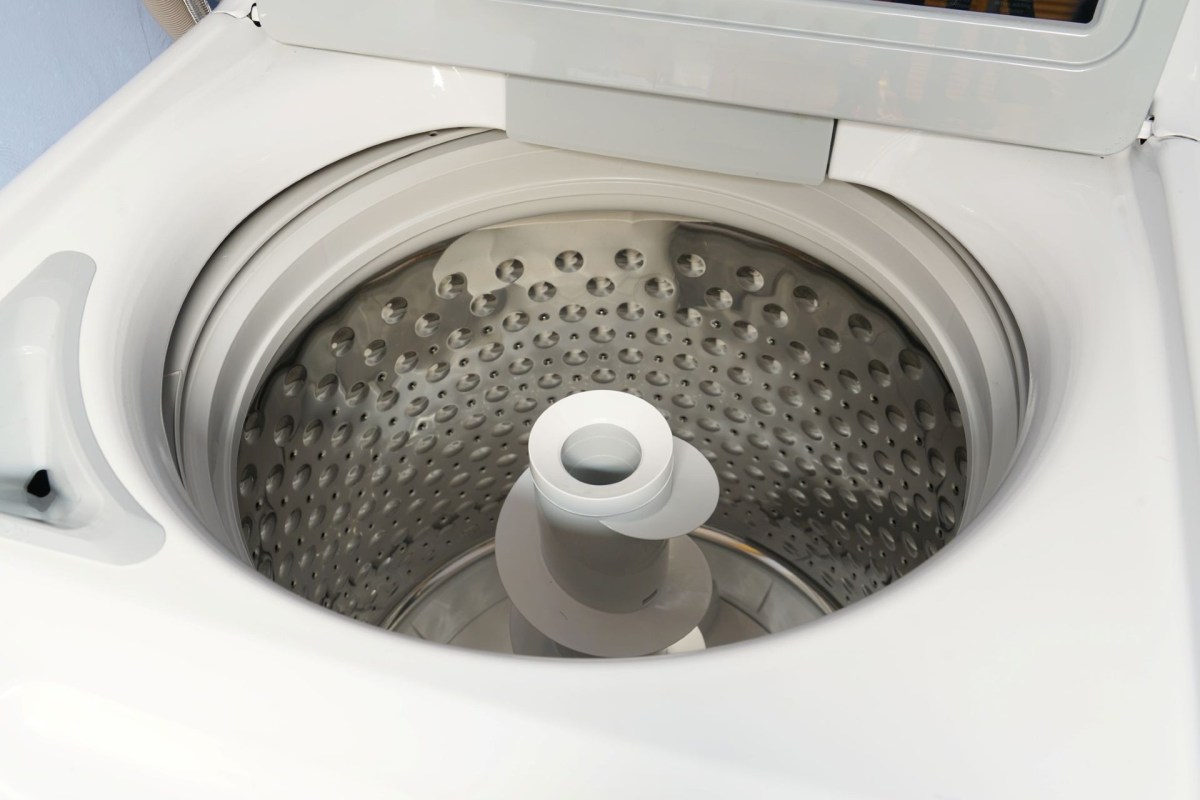
When a tech-savvy writer added a smart plug to a washing machine, they were able to receive updates whenever a cycle finished.
Here's what to know
With an energy-monitoring smart plug costing around $10 and Home Assistant, an existing appliance can send an alert without being replaced.
The setup tracks a washing machine's electricity use and sends a notification when its cycle ends, according to How-To Geek. The writer used a Home Assistant blueprint — a ready-made automation template — rather than building the automation from scratch.
Once electricity consumption drops below a set threshold indicating the machine is idle, Home Assistant sends an alert that the load is ready. Detecting electrical current provides the automation's initial trigger.
Because this automation works by using cycles, dishwashers are among the other appliances compatible with this approach.
TCD Picks » Quince Spotlight
💡These best-sellers from Quince deliver affordable, sustainable luxury for all




More background
The writer developed the setup out of frustration with expensive appliances that have connected features that depend on internet access. They found that the smart appliances also made connections back to the manufacturer, creating a potential security issue.
Many smart refrigerators, washing machines, dryers, and dishwashers rely on proprietary apps and remote servers. The writer used a local-first method and hosted a Home Assistant server directly in their house, with no external connections needed.
However, support for local Home Assistant functionality remains limited, and the maintenance burden falls on the homeowner.
The writer argued that proprietary connected devices fall short. For example, Bosch's Home Connect illustrates the trade-off. While Home Assistant offers an integration for the service, it connects through Bosch's official API and needs an internet connection. Buying a connected dishwasher, therefore, does not necessarily provide the local control a Home Assistant user wants.
They also pointed to an advertising service added to Samsung smart refrigerators that users must opt out of, concluding that adding a screen and an internet connection to a refrigerator introduces unwanted features alongside privacy concerns.
What can be done?
The writer described setting up repeated notifications that stop only when a door-mounted contact sensor confirms they actually opened the washer door. They used that trick to force themselves to take the laundry out of the washer so it doesn't smell bad.
An early alert system could also give a household time to act before a refrigerator or freezer full of food goes to waste. The writer described triggering that warning when power use falls below the appliance's normal level, established by checking its usual consumption.
"I'd never upgrade a perfectly functioning fridge or dishwasher just to get access to half-baked smart features, and I'd choose value or performance over features I don't need, or that might backfire on me down the line," they added.
Where can I learn more?
Smart plugs and appliance sensors can help you keep tabs on household equipment, but they can come with limitations.
• A smart plug buyer learned power adapters were off-limits after spotting a warning symbol.
• Smart home users shared automations they wished they'd added sooner, including self-locking doors and leak sensors.
• In Belgium, a homeowner spent six months building a 420-device smart home.
• A water sensor by the washer caught a leak, prompting discussion of automatic shutoffs.
• A homeowner seeking freezer power alerts received advice to monitor the temperature instead.

Get TCD's free newsletters for easy tips, smart advice, and a chance to earn $5,000 toward home upgrades. To see more stories like this one, change your Google preferences here.
Cool Picks






