


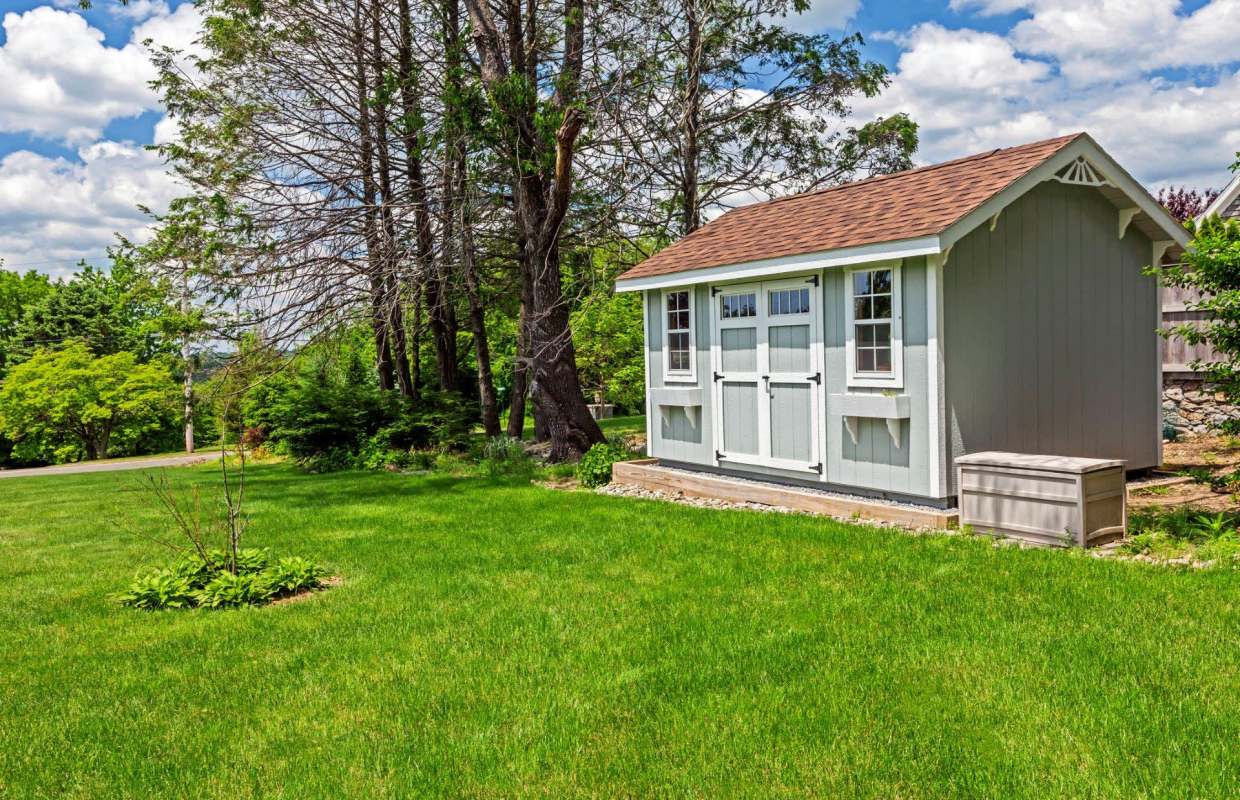
A Florida homeowner thought a long-standing backyard shed was safely on their property — until a survey tied to a neighbor's home sale found the structure crosses the lot line by about 3 feet, reportedly putting the sale on hold because the buyers refused to close unless the shed is moved or removed.
What happened?
According to the homeowner's post on Reddit, the issue came up during a call from the rear neighbor, who lives out of state and said their long-delayed home sale had finally reached the closing stage.
That's when an unexpected headache surfaced — a survey obtained for the transaction indicated that the shed sits partly on the neighboring parcel.
However, both homeowners said they had no idea there was a boundary problem when they bought their properties. The shed, which was built on-site in the early 2010s rather than installed as a prefab, was already in place when the original poster bought in 2020 and when the neighbor bought in 2022.
The homeowner said, "Both my neighbors and I got surveys done when our houses were purchased, and neither one of us were informed that the shed was over any property line."
Simply shifting the structure forward was not described as an easy solution because protected Florida trees are in the way. The homeowner wrote that "the new buyers won't close unless the shed is moved off the property line or dismantled/destroyed."
TCD Picks » Quince Spotlight
💡These best-sellers from Quince deliver affordable, sustainable luxury for all




On top of it all, the homeowner expressed how they were already facing financial strain from childcare costs, termite damage inside the home, and a damaged nearby tree that also needs to be removed.
Why does it matter?
Property-line disputes can quickly turn into major financial nuisances, especially when they arise during a home sale. A structure that may seem minor can affect financing, insurance, title issues, and whether a buyer is willing to move forward at all.
The original poster said they were wondering if it would be alright to ask their neighbor for financial help since resolving the issue would allow the sale to go forward. They noted their options are either cutting 3 feet off the back wall of the shed, or completely demolishing it and replacing it with a prefab shed. The homeowner expressed their concerns directly regarding these options: "Neither of which I can afford to do right now."
Commenters noted that the issue may be bigger than the 3-foot encroachment alone. One wrote, "Check your town ordinances, but in most places there's a setback of at least 5 feet from the property line." Even if the shed is cut back to the line, local rules may still require it to sit farther away.
What can I do?
One commenter said, "I would call the city. It might be grandfathered in since you didn't put it up." Others suggested checking setback rules and whether any nonconforming-structure protections apply.
Reviewing a survey carefully before buying, building, or replacing a shed, fence, or garage can help identify setback issues early. If space is tight, keeping setbacks clear can help avoid expensive surprises later.
If a backyard redesign becomes necessary, lower-maintenance landscaping can help reclaim usable space while cutting costs. Replacing part of a traditional lawn with native plants, clover, buffalo grass, or xeriscaping can save money and time on lawn maintenance while lowering water bills. Even a partial lawn replacement can deliver those benefits. For more ideas, check out the TCD Guide's page on rewilding your yard and upgrading to a natural lawn.
As one commenter bluntly put it, "Nope. Not with encroachments. He's gonna have to move it or tear it down."

Get TCD's free newsletters for easy tips, smart advice, and a chance to earn $5,000 toward home upgrades. To see more stories like this one, change your Google preferences here.






