


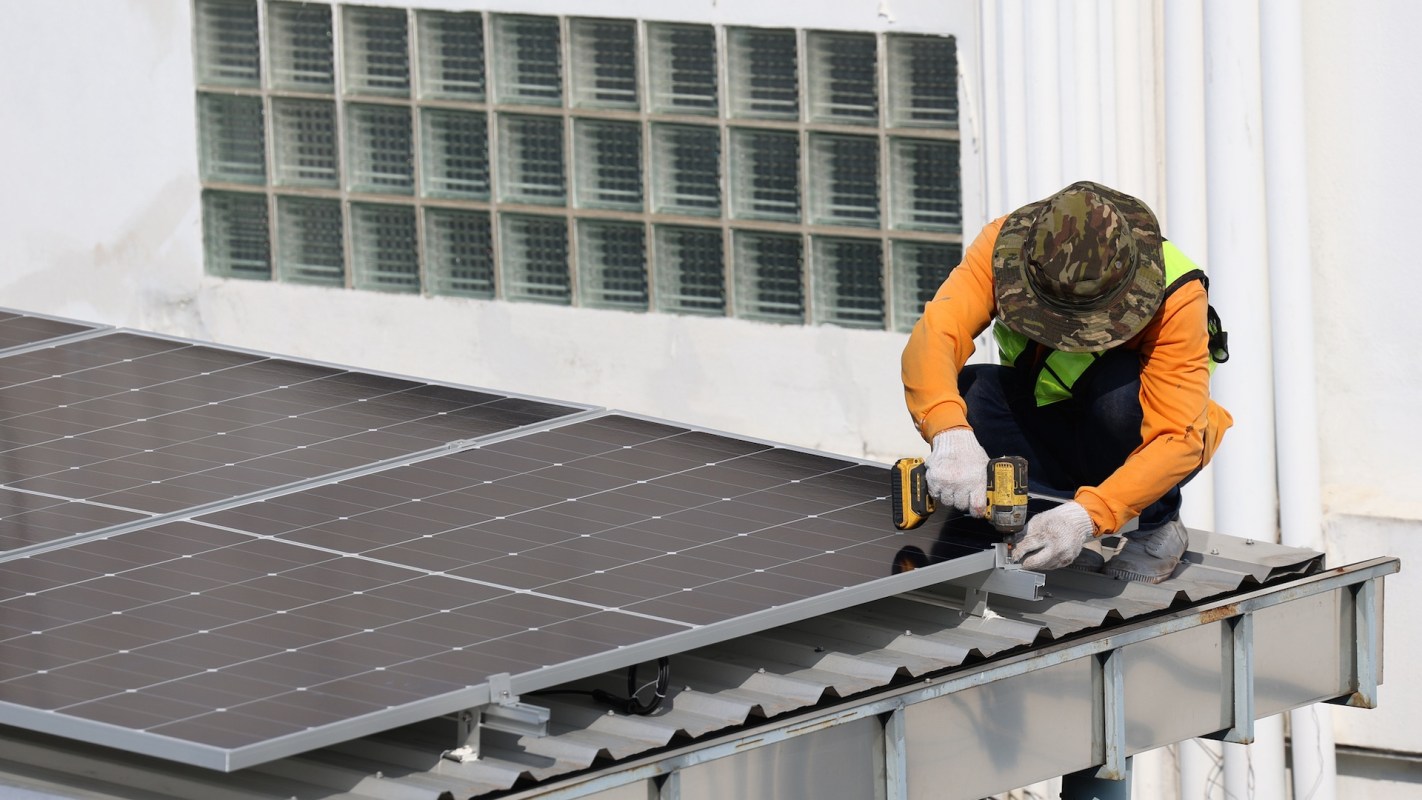
A U.K. resident is raising a question that could have implications far beyond a single apartment block. They wondered if a council-controlled roof is ideal for solar panels, and who should benefit from the electricity.
Here's what to know
In a discussion on r/SolarUK, the original poster said their building has about 1,615 square feet of flat roof. They added that the properties are split evenly between council and private ownership, while the council controls the exterior through the freehold.
The resident floated three possible paths: replacing gas with a communal heat pump powered by rooftop solar, dividing the electricity across six properties, or using a simpler setup that just exports power to the grid.
They also suggested the potential extends well beyond one building, writing that "my small estate alone has about 20 of these blocks and that is a not insignificant amount of solar that could be put in."
People responding to the post indicated that the hardware side is no longer the main mystery. "I've installed quite a few solshare systems that are designed for this use case!" one commenter wrote. Another installer-commenter said projects they had done for councils either used solar to supply communal areas with excess sent to the grid or used newer shared systems to divide output between properties.
What appears more complicated is how a mixed-ownership building would handle funding and electrical upgrades. One commenter said splitting solar between properties could require new cables to each unit and upgrades to each apartment's electrical equipment, making that part of the job bigger than the panel installation itself.
For households looking at their own property, going solar is one of the best ways to save money on home energy. For those in the U.S., it can help to explore EnergySage to get free solar installation estimates and compare quotes.
More background
Many people live in buildings with strong solar potential, but the legal and financial path is far less straightforward than it is for a single-family home.
Save $10,000 on solar panels without even sharing your phone number Want to go solar but not sure who to trust? EnergySage has your back with free and transparent quotes from fully vetted providers that can help you save as much as $10k on installation. To get started, just answer a few questions about your home — no phone number required. Within a day or two, EnergySage will email you the best local options for your needs, and their expert advisers can help you compare quotes and pick a winner. |

When shared solar works, residents can lower their electricity bills, councils can cut operating costs, and communities can rely less on gas-powered energy. In some cases, improved building electrification can also boost indoor air quality by reducing reliance on gas systems.
One installer-commenter said some council projects paired solar with batteries for communal power needs, while shared systems can distribute generation among properties and count toward each home's EPC assessment.
Mixed-ownership buildings seem to be the sticking point. A roof may be shared, but the benefits, liabilities, and upgrade costs do not divide neatly.
What can be done?
For residents in similar buildings, the first practical step may be organizing neighbors and getting clarity on who controls the roof, the electrical infrastructure, and any maintenance obligations over time. In many cases, the freeholder's approval will likely determine whether a project can move forward at all.
More From EnergySage
💡Go deep on the latest news and trends shaping the residential solar landscape
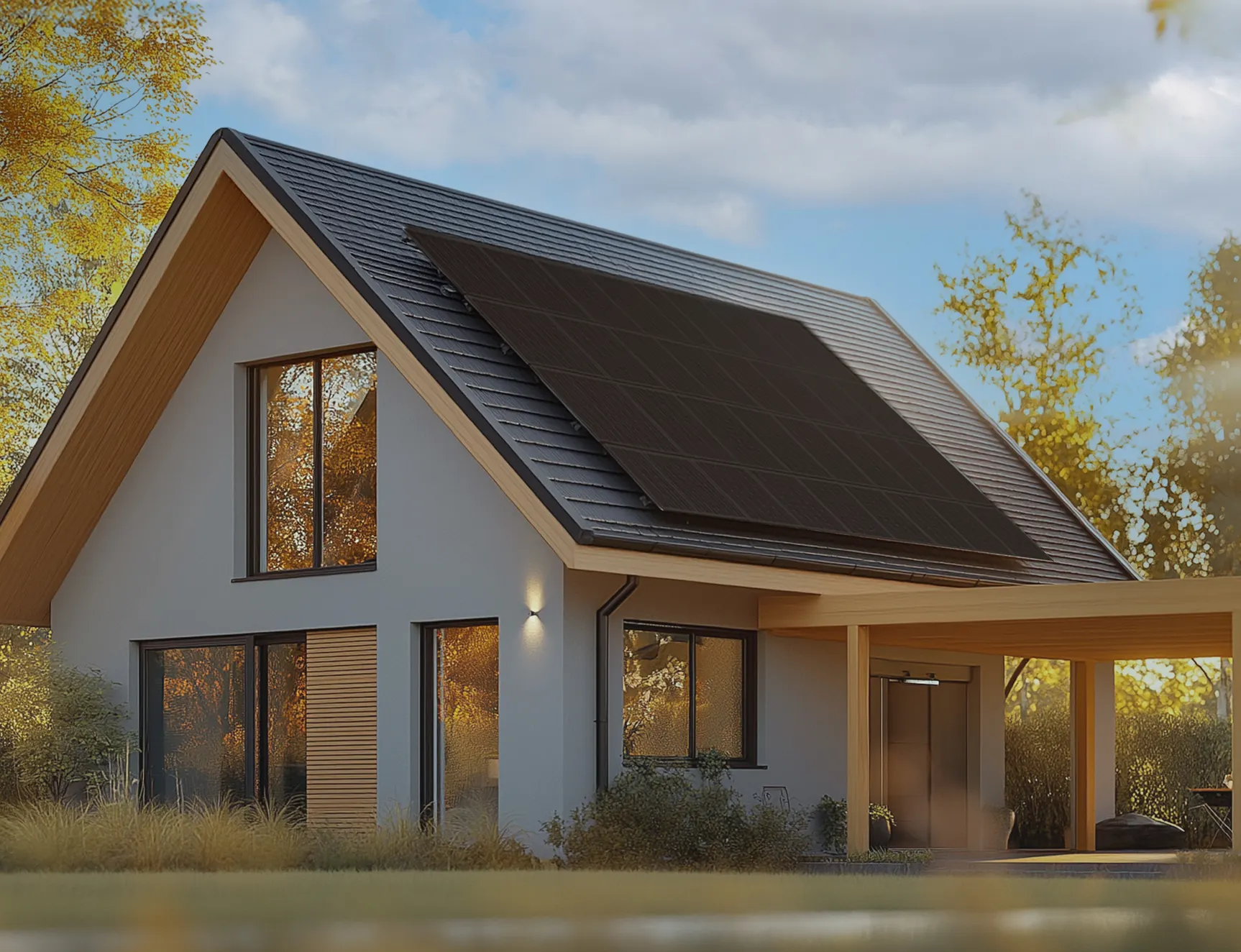
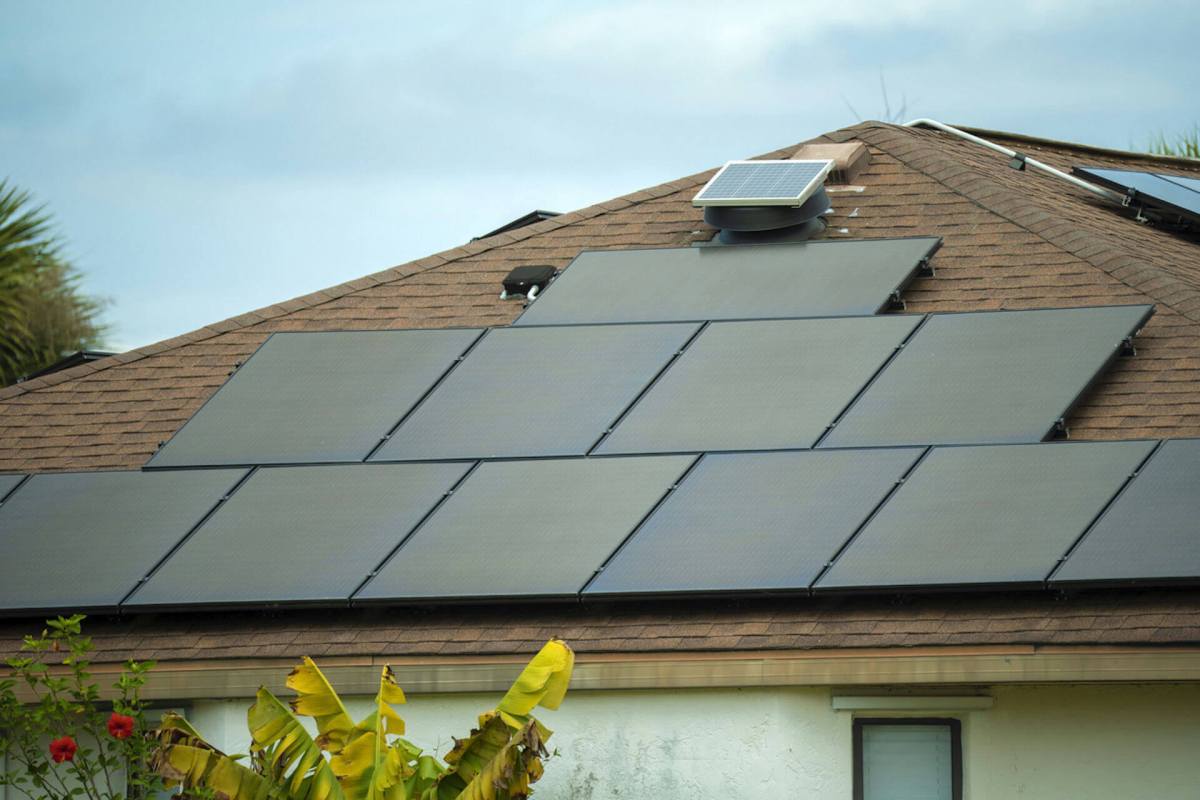
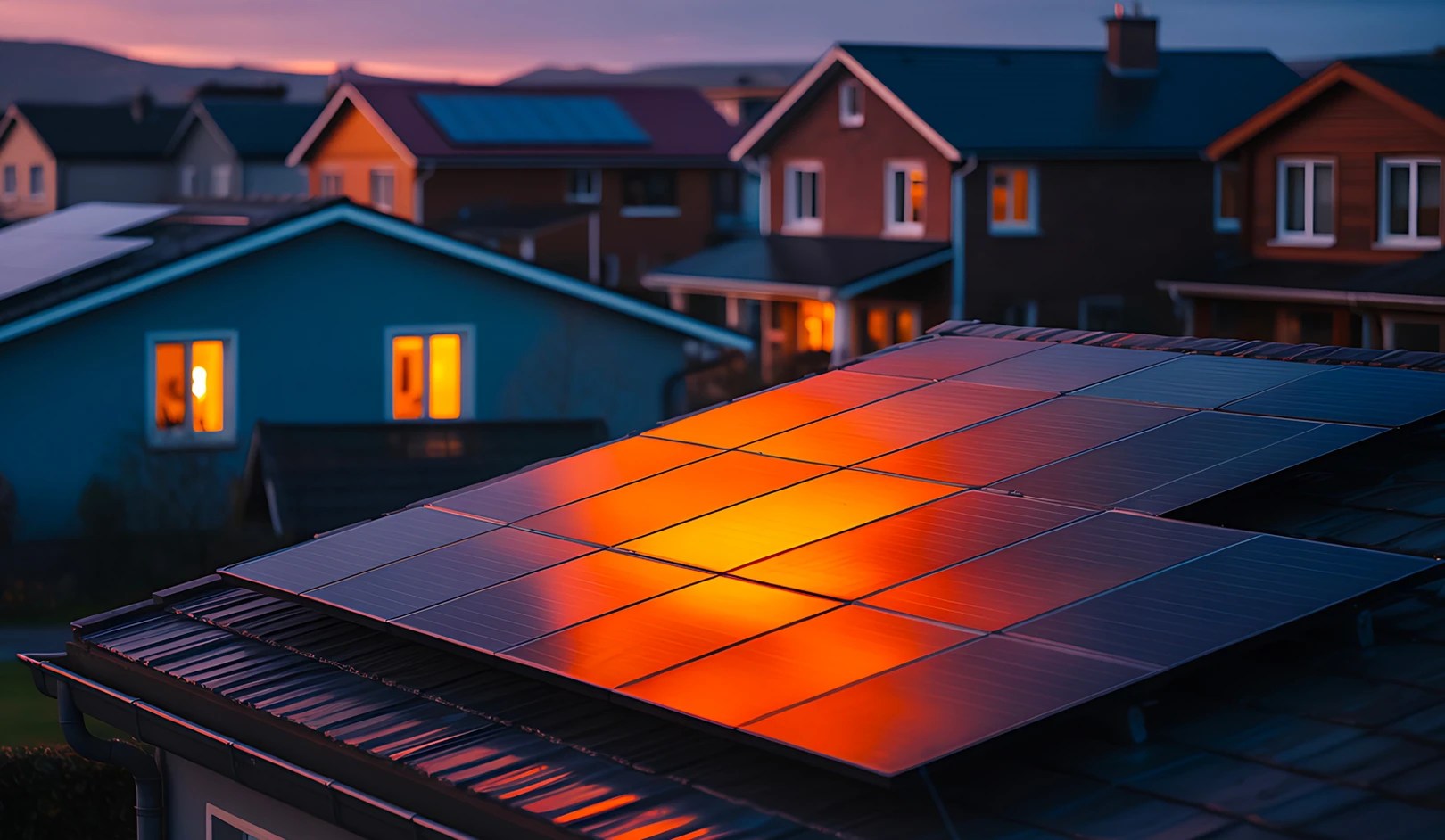

For readers considering rooftop solar on their own homes, tools that simplify pricing can make a major difference. EnergySage's solar map shows the average cost of a home solar panel system on a U.S. state-by-state level, along with solar panel incentives for each state. Together, those resources can help readers get the best price for rooftop solar panels and access available incentives.
Adding battery storage to a solar setup is also one of the best ways to protect your home during outages, save money on energy, and go off-grid. Readers can explore EnergySage for information about home battery storage options, including competitive installation estimates.
EnergySage's free services can also help cut through one of the biggest barriers to solar: price confusion. With EnergySage's help, the average person can save up to $10,000 on solar purchases and installations.
Where can I learn more?
Questions about who gets the savings, makes the decisions, and has access to the power are coming up in shared-solar projects well beyond this one property. They show how that plays out, from U.K. community efforts to programs designed for people who do not have a workable roof of their own.
• Across many neighborhoods, community solar programs let renters and apartment residents share solar savings.
• In Colorado, officials are removing barriers and red tape for residents shut out of rooftop solar.
• EnergySage is helping homeowners cut through solar price confusion before panels go up.
Shared solar is moving ahead even in places where ownership and access are complicated. For residents in mixed-tenure buildings, the gap between what the technology can do and what the building setup allows may be the central challenge.

Get TCD's free newsletters for easy tips, smart advice, and a chance to earn $5,000 toward home upgrades. To see more stories like this one, change your Google preferences here.






