


A first-time homebuyer who was under contract on a 100-year-old house got a case of cold feet ahead of the inspection.
Their anxiety was understandable after another deal had fallen through.
Here's what to know
In a Reddit thread on r/FirstTimeHomeBuyer, they said they were "very anxious" and clarified that the inspection was "for our own knowledge only." They were using the same inspector who had helped them with the other house.
"We had a home fall through two months ago when rates were much lower as well," they added. "Is there any other test we should have done?"
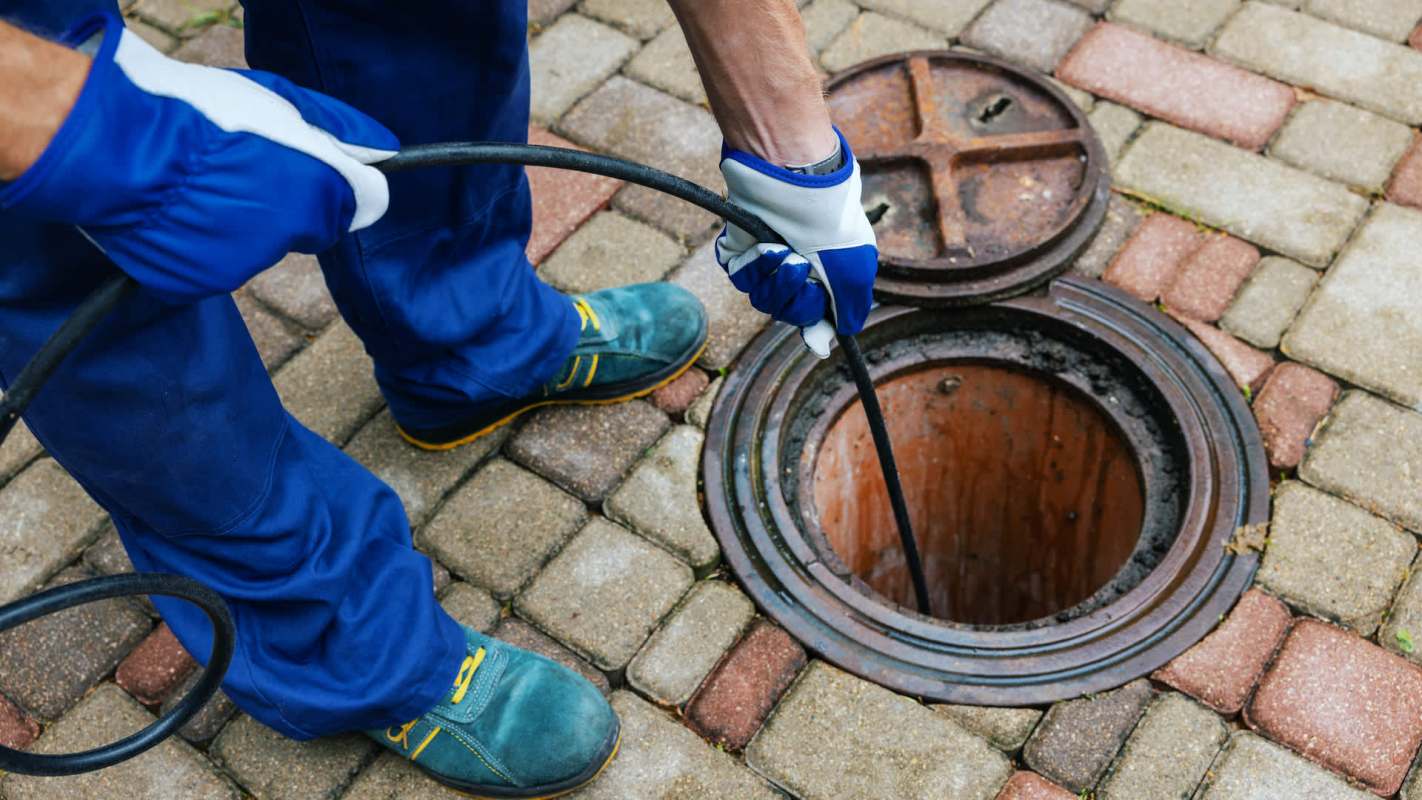
A highly upvoted response was to "definitely get a sewer scope."
Commenters told the original poster to temper their expectations.
TCD Picks » Quince Spotlight
💡These best-sellers from Quince deliver affordable, sustainable luxury for all




"I would think the inspection is so you know you are not buying a total POS," one wrote. "A 100-year-old house is bound to have issues."
More background
Much of the advice focused on extra checks that could add clarity without using up the inspection period.
Insurance was another major theme. A commenter who said they sell residential real estate in Texas wrote, "The test nobody has named yet is not a test, it is the insurance quote."
According to that commenter, details about roof age, wiring, the electrical panel, and supply lines can affect whether a buyer gets coverage at all or ends up with a high payment.
Other users said a general inspection should not necessarily be the OP's only expert opinion. One said buyers should pay close attention to whether an inspector has experience with historic homes, while another added that they brought in a general inspector along with electrical, HVAC, and plumbing professionals when buying their own 112-year-old house.
Some recommendations depended on the household and the house itself. One commenter said buyers with children should consider separate mold and lead inspections and, depending on the area, a termite check. Another said that if the home is made of brick, it may be worth having a mason assess both the brickwork and foundation.
What can be done?
At the top of the list was the sewer scope.
Another option was to treat the general inspection as a first pass and then call in trade-specific experts only if concerns came up. One commenter recommended hiring an electrician and plumber alongside the general inspector, while another said they sometimes "go right to an electrician or plumber or my heating guy or my contractor" when they want more detailed answers about major systems.
The user from Texas advised calling an insurance agent with "the roof age, the panel type, and whatever you already know about the wiring" so they could understand eligibility and pricing while they still had time.
"You are going to have issues," someone else concluded. "This is the game with old homes — what are you willing to deal with? Are you handy or willing to learn to be handy? If not, do you have money to deal with the issues that come with older homes?"
Where can I learn more?
The same concerns pop up with many homes.
• A home inspector said a simple plumbing check can prevent thousands of dollars in hidden water damage.
• A home maintenance expert warned clogged sink drains can get worse with the wrong prevention.
• In Australia, homeowners faced major financial harm when insurance data exposed hidden risks.
• In Iowa and Illinois, a massive spike in insurance costs followed repeated climate-driven damage.

Get TCD's free newsletters for easy tips, smart advice, and a chance to earn $5,000 toward home upgrades. To see more stories like this one, change your Google preferences here.






