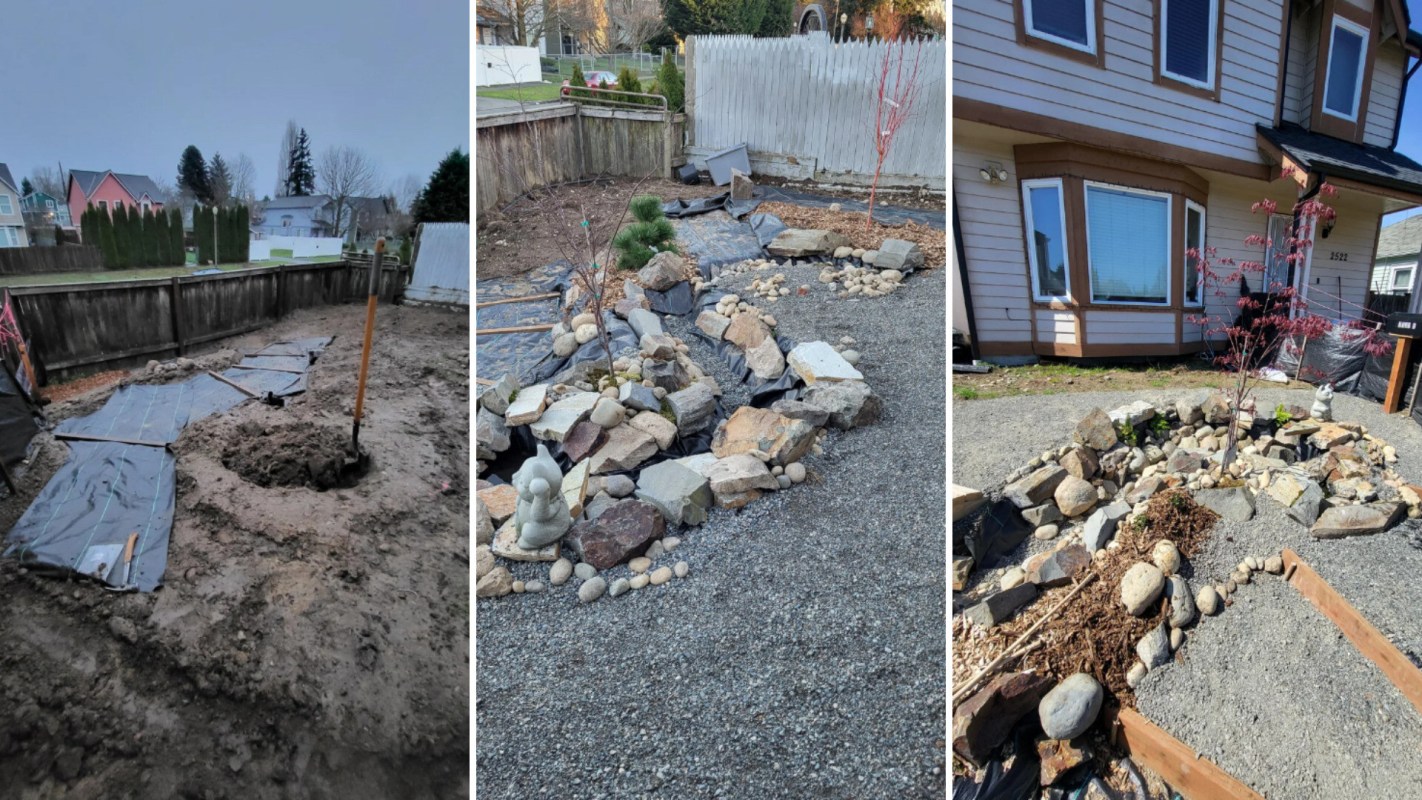
After sewer work tore up a front lawn, one homeowner used the disruption as an opportunity to rethink the entire space — eventually spending three years creating a gorgeous Japanese-inspired garden.
What happened?
The transformation appeared in a post on Reddit, where the homeowner shared before-and-after photos and wrote: "Still have a ways to go, but we finally got our front yard to a place we are happy with."
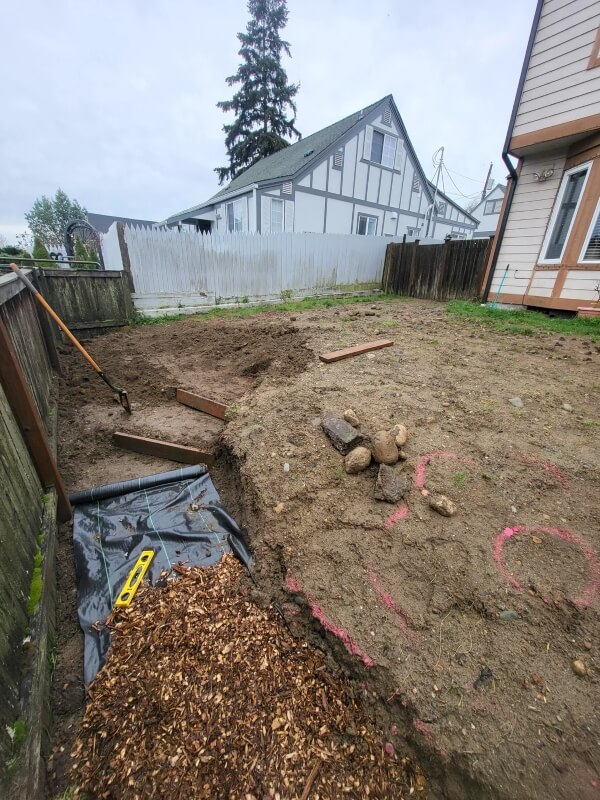
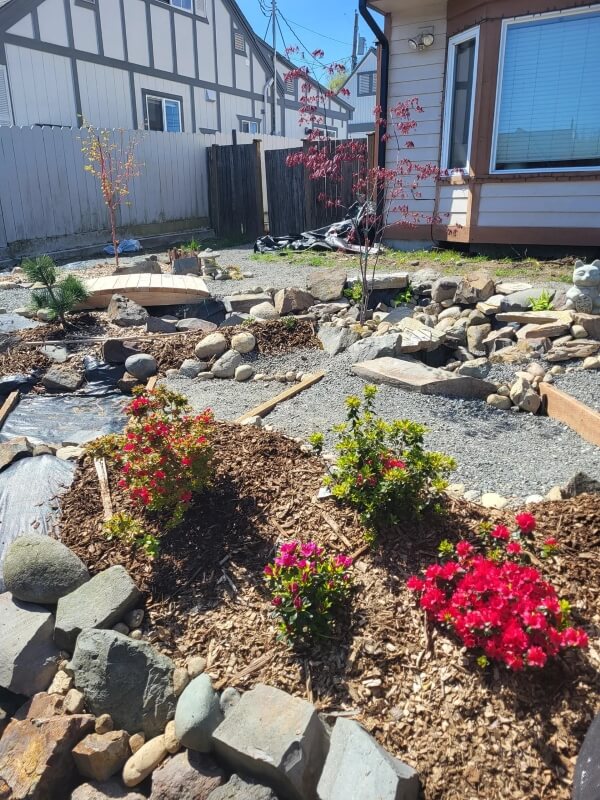
Rather than putting grass back after the repair, they leaned into the reset. "Sewer drain repair meant the grass got torn out and made it easier to keep it out," the poster explained.
The property's incline added another layer of difficulty, but it also helped define the final result. The homeowner said the sloped yard "made it challenging" before becoming "a lovely Japanese-inspired garden."
The space now includes layered plantings, and the poster said there is "a small pond and creek running through the middle with a recirculation pump." They also expect trees to eventually shade the understory. "Shade is definitely the plan," they added.
Why does it matter?
Traditional lawns can be expensive and time-consuming to maintain, especially when they need frequent mowing, watering, fertilizing, and patching after damage.
TCD Picks » EDF Spotlight
💡EDF's Vital Signs newsletter delivers stories about game-changing solutions close to home and around the world


Replacing even part of a lawn with lower-maintenance alternatives can help save money on upkeep, reduce water bills, and cut back on weekend yard work.
This yard is not framed specifically as a native-plant conversion, but it still reflects a broader idea many homeowners are embracing: Less grass can mean more beauty with less hassle.
Options such as native plants, clover, buffalo grass, and xeriscaping can all reduce the burden of lawn care, and even a partial lawn replacement can deliver those benefits. For people looking to start small, check out the TCD Guide's pages on rewilding your yard and upgrading to a natural lawn.
Projects like this can also make difficult spaces more functional. On a slope, diverse plantings may help stabilize soil better than standard turf, while trees and layered greenery can create cooler, more comfortable outdoor areas over time.
What are people saying?
In later comments, the homeowner said the project involved plenty of trial and error.
They were upfront about being new to this kind of work, writing: "Its not perfect, definitely have learned a lot … This was the first project of this kind I've undertaken."
The original poster also described the very hands-on process: "I read a lot, got a few books on Japanese garden design, spent way too much time just staring at the yard, made a lot of bad sketches, and then just started with wild abandon."
Despite the challenges, the homeowner summed it up simply: "In the end it was very rewarding."

Get TCD's free newsletters for easy tips, smart advice, and a chance to earn $5,000 toward home upgrades. To see more stories like this one, change your Google preferences here.