


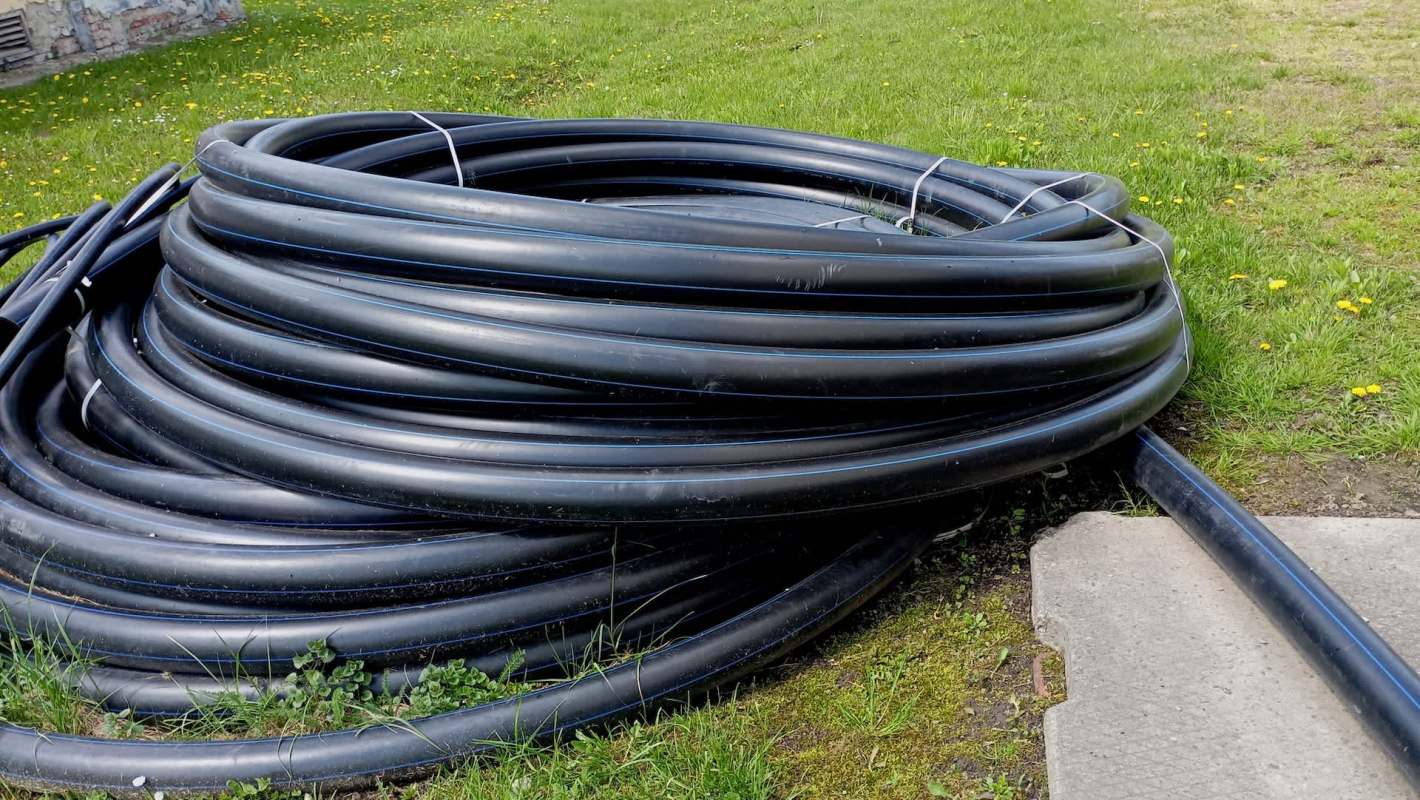
A Pennsylvania resident spent about $8,000 on a sewer replacement and later learned the new line ran several feet beneath a neighbor's backyard—a problem uncovered during work on the adjoining property.
When city staff compared that installation to the permit, they found the approved route was supposed to stay entirely on the homeowner's side.
Here's what to know
Writing on Reddit's r/legaladvice, the homeowner said the project began after the original sewer line collapsed. Most of the replacement used trenchless boring, and with "very little digging outside my yard," nothing visible suggested the line was placed incorrectly.
Only after the neighbor hired a contractor for his own backyard did anyone realize the pipe crossed onto the adjacent lot before reaching the main. The original poster wrote: "The city came out and apparently the route shown on the approved permit stays entirely on my property. The contractor installed it differently."
Commenters largely treated the dispute as a permitting and contractor-performance problem, arguing that the line was allegedly laid outside the approved path and without the homeowner's consent.
At the same time, the homeowner said the installer now wants additional payment to move the line, even though the poster wrote, "I never approved putting anything on my neighbor's property and had no idea they had done this."
TCD Picks » Quince Spotlight
💡These best-sellers from Quince deliver affordable, sustainable luxury for all




More background
Because the yards had no fence and neither family knew the precise boundary, the mistake stayed hidden. Trenchless boring also meant most of the installation happened underground, with little surface disruption.
That changed only when the neighbor's project exposed the issue. One commenter cautioned, "Until this is fixed, you may be liable to your neighbor," even though the contractor was accused of deviating from the permitted route.
Some commenters said the practical reality may be paying a different contractor up front and then trying to recover those costs in court. Another noted Pennsylvania's $12,000 small claims limit — a figure that could matter if excavation, restoration, and legal expenses start to pile up.
What can be done?
Many responses focused first on bringing the permitting authorities back in. One commenter said to contact "the local/state plumbing inspector office who issued the permit," and another urged the homeowner to "Show them that the work wasn't as permitted."
Others said the contractor should get one last chance to make it right before the homeowner escalates. One commenter said the contractor "should be responsible for fixing this" because "He didn't stay within the approved and permitted route," and advised preserving communications and asking for the company's insurance details.
That same commenter also said the homeowner should get "2-3 quotes" and ask each contractor to separate the cost of moving the misplaced line from the cost of finishing the sewer work correctly. Another said any estimate should also account for restoring the neighbor's yard if digging is required.
If regulators and the original installer don't resolve it, commenters said next steps could include small claims court and complaints to contractor oversight bodies. A commenter who said they had faced a similar problem in Pennsylvania wrote, "Don't pay again, it's his mistake."
Another commenter summed up the legal-advice consensus this way, "You paid for a job outlined as per the permit (line on your property) and he put it through your neighbors property. Take him to small claims."
Where can I learn more?
Misplaced sewer lines are just one way buried utility work can spill into neighbor disputes and code issues. These stories follow homeowners dealing with runoff, trenches, and construction decisions that sent water or utility problems across property lines.
• A resident discovered a neighbor's invasive water line after unexplained damage spread through the garden.
• After backyard work, a neighbor's new trench left one property flooding and city officials involved.
• When neighbors emptied a pool, water poured into nearby plants, and residents questioned the legality.

Get TCD's free newsletters for easy tips, smart advice, and a chance to earn $5,000 toward home upgrades. To see more stories like this one, change your Google preferences here.






