


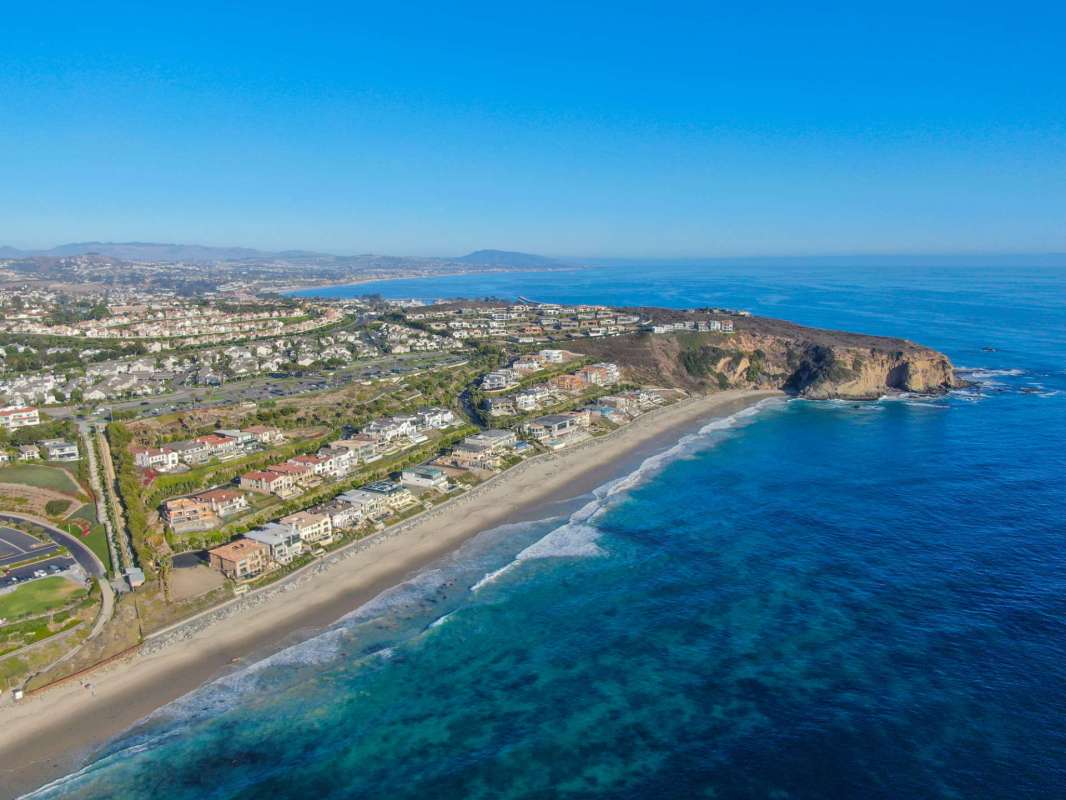
Rough surf and unusually high water have left parts of Southern California's shoreline severely eroded, and several oceanfront houses have been declared unsafe as waves ripped away sand and hammered the ground beneath them.
Here's what to know
Officials in Dana Point have red-tagged seven beachfront homes and yellow-tagged two more near Beach Road after heavy erosion, according to The Orange County Register.
On Sept. 8, cleanup crews worked in the private Capistrano Bay District while residents inspected wreckage that included damaged decks, broken concrete, and exposed structural elements after the beach that once buffered their homes had steadily worn away.
Chris Rogers, who said he bought his beachfront house about six years ago, said the scene now is far different from what he had experienced before.
"It is always close," he said of the ocean in relation to his home, per the Register. "But it's nothing like what you're seeing now."
Capistrano Bay District manager Donal Russell told the Register the neighborhood is facing what he called "a disaster," saying the community has been hit by a "freight train of hurricanes and tropical storms" since June 9, the Register reported.
TCD Picks » Quince Spotlight
💡These best-sellers from Quince deliver affordable, sustainable luxury for all




"We're playing chase, which is the worst way to deal with the situation," he added.
The damage extends beyond Dana Point. In Laguna Beach, three homes on Lagunita Drive were yellow-tagged after a seawall was reported damaged, and officials said residents may remain in the homes as long as they stay out of the affected exterior areas.
More background
What happened in Dana Point and Laguna Beach is one example of a widespread pattern: sand is trickling away from oceanfront communities. Rising seas and construction along the coast are leaving homes more exposed to erosion, and that erosion can quickly lead to damage, which costs money to repair if it can be fixed at all.
Those threats carry serious public health and economic consequences. When homes are red-tagged, families can be displaced, gas service may be shut off, and emergency repairs can become expensive. Nearby beaches may also be closed, affecting public access and surrounding businesses.
Yellow-tagged homeowner Steve Watts summed up the helplessness many people living along the coast feel.
"The ocean is like god; it's going to do what it's going to do," he said, according to the Register.
His wife, Jane Watts, said the water's force was shaking their home, calling it "So powerful" and adding, "It's scary," per the Register.
Dana Point officials said the damage at the site traces back to Aug. 28, when the city first learned a residential deck had been destroyed and later issued a red tag because the slab foundation had been undermined.
What's being done?
The Register reported that homeowners are working with a coastal consultant and an engineering firm on emergency protections, and Dana Point said California Coastal Commission staff have been reviewing and approving urgent permits, including after hours.
As a short-term measure, crews are placing a boulder revetment behind the homes to reduce wave impacts. Residents and officials are also considering larger defenses, including offshore reefs and other shoreline barriers, even if the immediate work is meant to stabilize the area for now.
In Laguna Beach, officials said they have secured the affected properties, inspected the site, and blocked off nearby beach areas to protect the public from additional erosion or deterioration. The city said it will keep monitoring conditions and coordinating with homeowners on repairs.
"This week by far has been the worst week we've ever had. Something has to be done or we won't be here. And nor will the train track and (Pacific Coast Highway)," said Patrick McNulty, president of the community association, per the Register.
Where can I learn more?
What happened in Dana Point and Laguna Beach is part of a larger issue.
• Scientists warn that almost half of beaches could disappear as coastal squeeze destroys homes and habitat.
• In coastal Australia, tens of thousands of homes face a serious risk of becoming worthless as seas rise.
• In South Florida, residents say it's getting worse as chronic flooding spreads across neighborhoods.
The emergency work underway in Orange County speaks to a problem that goes well beyond the punishing surf. The same forces pulling sand out from under these homes are putting coastlines around the world under pressure.

Get TCD's free newsletters for easy tips, smart advice, and a chance to earn $5,000 toward home upgrades. To see more stories like this one, change your Google preferences here.






