


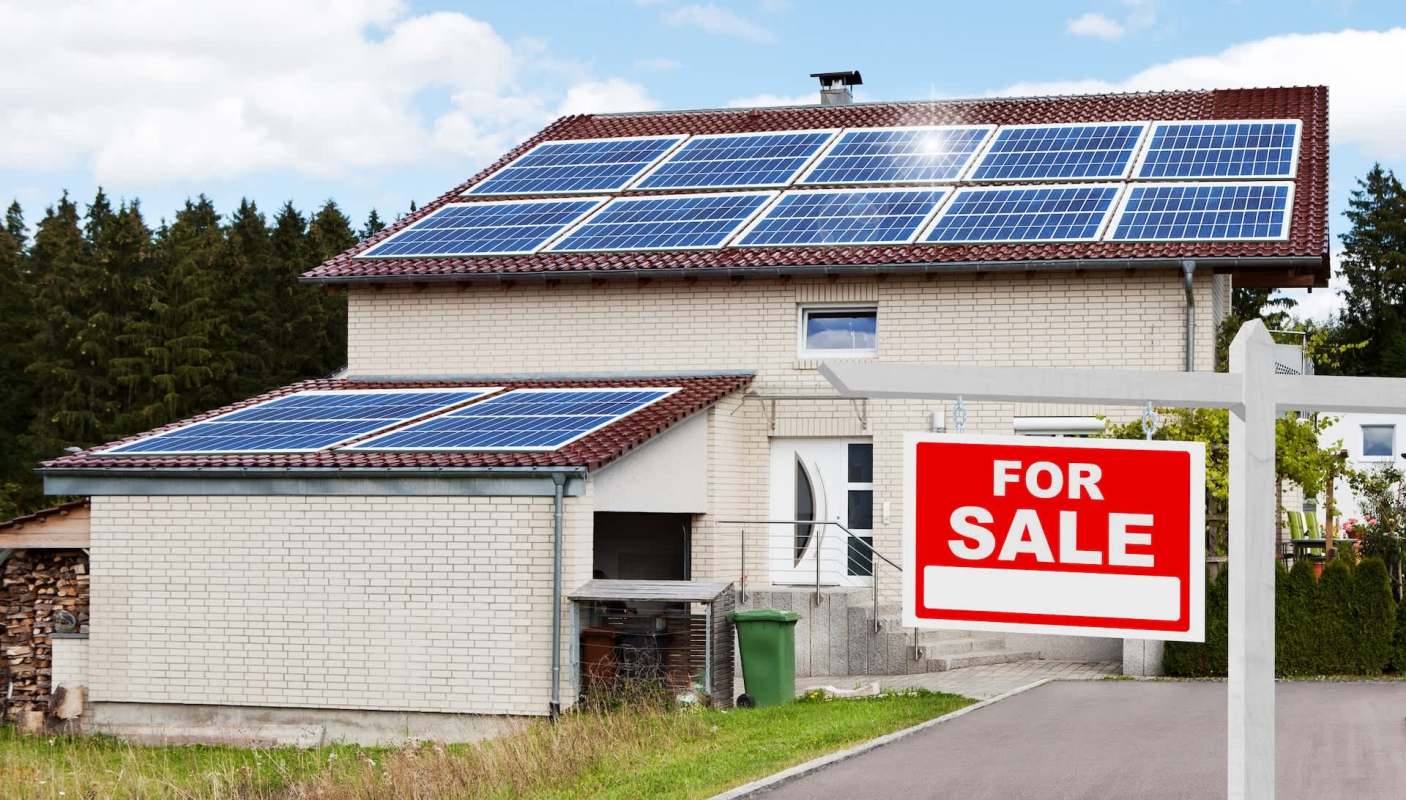
A Reddit user selling their house asked commenters what they should do with their Tesla solar panels and battery, since they want to hand it off to the new homeowner.
Other users took to the comments to explain everything someone needs to do before handing off their solar equipment to a new person.
Here's what to know
Selling a house with solar panels isn't just a simple real-estate transaction. It requires handing off the app and account access, settling any remaining loans on the panels, and passing along all documentation in case of warranty claims.
Solar systems like Tesla's are tied to an account owned by the original owner — in this case, the home seller, commenters pointed out. This means the seller has to go into the app and actively transfer the account to someone else.
One Reddit user said it would be a nice gesture if the seller gave the new homeowner the system's production history and any performance guarantees, so they can verify the system is up to date and working.
They wrote: "One thing I found annoying was that Tesla refused to give me the production history from the previous owner. I had some doubts about whether the production guarantee in the paperwork was actually being met, but Tesla refused to provide the production numbers from the previous years. I only have access to the production data from when I took ownership."
But a big question is whether Tesla's solar roof warranty can only be transferred once. This matters if the new buyer decides to sell the house and the panels are still under warranty (for Tesla, it's 25 years).
Another commenter provided details on their own experience, writing, "I just went through this as the seller had issues with the app. As the buyer I emailed the energy customer service and then sent them the new recorded deed. I created an account and downloaded the app post sale went to the power wall solar set up and the app asks you to scan and then was able to add it as a product to my account."
Save $10,000 on solar panels without even sharing your phone number Want to go solar but not sure who to trust? EnergySage has your back with free and transparent quotes from fully vetted providers that can help you save as much as $10k on installation. To get started, just answer a few questions about your home — no phone number required. Within a day or two, EnergySage will email you the best local options for your needs, and their expert advisers can help you compare quotes and pick a winner. |

Going solar is one of the best ways to save money on home energy over time. If you're still shopping for a system, try EnergySage for free solar installation estimates and to compare quotes.
What can be done?
Before closing, sellers can simplify the handoff by pulling together the core solar paperwork: production history, warranty information, equipment details, and any financing paperwork tied to the system. Keeping copies for your own records can also help if you later need to verify past performance.
For anyone considering adding solar, it pays to comparison shop before installation. With EnergySage's help, the average person can save up to $10,000 on solar purchases and installations. EnergySage's solar map also shows the average cost of a home solar panel system by state, along with solar incentives available in each state. Together, those tools can help homeowners get the best price for rooftop solar panels and access available incentives.
Adding battery storage to a solar setup is one of the best ways to protect your home during outages, save money on energy, and go off-grid. Homeowners who want to pair panels with backup power can explore EnergySage for information about home battery storage options, including competitive installation estimates.
More From EnergySage
💡Go deep on the latest news and trends shaping the residential solar landscape


Saving the records ahead of the transfer will not change how much electricity the panels produced, but it does preserve the paper trail. During a home sale that already involves plenty of paperwork, that small step can make a valuable clean-energy asset easier to hand off.
Where can I learn more?
For a closer look at how solar can shape a home's value, energy records, and day-to-day owner experience, check out these stories. They cover Tesla roofs and solar-equipped neighborhoods.
• A Tesla Solar Roof and Powerwall earn $350 each month while adding resale appeal.
• Tesla says more than 600 solar neighborhoods now shape buying decisions for new homes.

Get TCD's free newsletters for easy tips, smart advice, and a chance to earn $5,000 toward home upgrades. To see more stories like this one, change your Google preferences here.






