


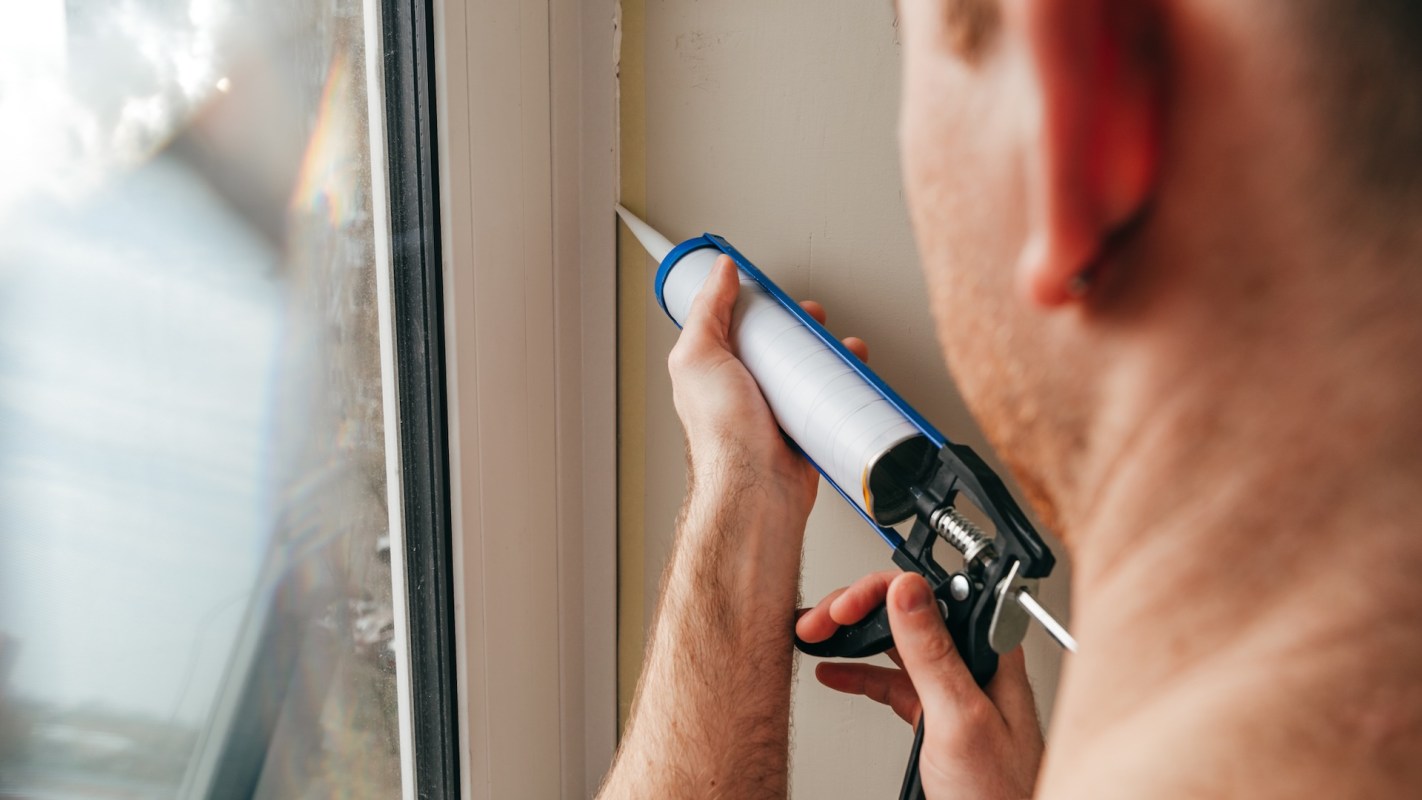
Cold walls and drafty windows can make the thermostat a poor guide to comfort. Even with a properly working heating system and a room temperature of 68 degrees Fahrenheit, the space can still feel chilly.
Here's what to know
Poor insulation can leave walls, windows, and floors substantially colder than the air inside of a home. Through thermal radiation, your body exchanges heat with these nearby surfaces and loses warmth to them, as Futura Sciences explained.
In nearly still air, averaging the air temperature and mean radiant temperature approximates what building engineers call "operative temperature." This measure accounts for surrounding surface temperatures rather than relying on air temperature alone.
For example, air at 68 degrees Fahrenheit and an average radiant temperature of 59 degrees would produce an operative temperature of roughly 63.5 degrees under suitable low-air-speed conditions.
Moving air increases heat loss from the skin, adding to the discomfort around cold windows. Futura Sciences cited the American Society of Heating, Refrigerating and Air-Conditioning Engineers in explaining how these currents develop: Air cools against the glass and then sinks toward the floor.
More background
According to Futura Sciences, outdoor air's relative humidity drops when it's warmed indoors without added moisture. Winter heating can leave indoor air unusually dry, especially in homes where indoor and outdoor air are frequently exchanged. Very dry air can dry out skin and irritate eyes.
TCD Picks » Quince Spotlight
💡These best-sellers from Quince deliver affordable, sustainable luxury for all




The U.S. Environmental Protection Agency recommends an indoor humidity ceiling of 60%, with a preferred range of 30% to 50% where possible, per Futura Sciences. Excess moisture can cause condensation on cold surfaces, making mold growth more likely.
Personal differences also help explain why the same room may feel comfortable to one household member and cold to another. Metabolism, clothing, circulation, and body composition all affect how the body produces and loses heat.
For example, someone sitting at a desk generates less heat through metabolism than someone walking around at home. In older adults, changes in circulation, muscle mass, and temperature regulation can make it harder to retain body heat.
What can be done?
Better insulation and replacement of worn weatherstripping can improve comfort without a higher thermostat setting, as can sealing unwanted air leaks. To locate incoming air, Futura Sciences recommended checking around windows and doors, particularly when it's windy.
Warm indoor air doesn't guarantee comfort for someone whose couch or desk sits beside a cold exterior wall or a large window. Insulated window coverings or thermal curtains can limit heat loss through windows, especially overnight. Keep them clear of ventilation and heating equipment, however.
A small hygrometer can help measure indoor humidity. When indoor air is too dry, a properly maintained humidifier may ease dryness. However, keep moisture within the EPA's recommended range to limit condensation around poorly insulated windows and walls.
For persistent drafts, a home energy assessment can uncover insulation shortcomings and air leaks that a visual inspection may miss.
Check room temperatures at several locations. A thermostat in a warm hallway may give a different reading from conditions beside a cold window, helping explain why the heating is on but the chill remains.
Where can I learn more?
Tracking down drafts and improving insulation can make a chilly room more comfortable without turning up the thermostat.
• A two-minute paper test can help homeowners identify drafty windows before calling a heating professional.
• Some homeowners say insulation paid for itself many times over despite steep upfront costs.
• A first-time homeowner facing cold air through skylights received suggestions for two inexpensive fixes.

Get TCD's free newsletters for easy tips, smart advice, and a chance to earn $5,000 toward home upgrades. To see more stories like this one, change your Google preferences here.
Cool Picks






