


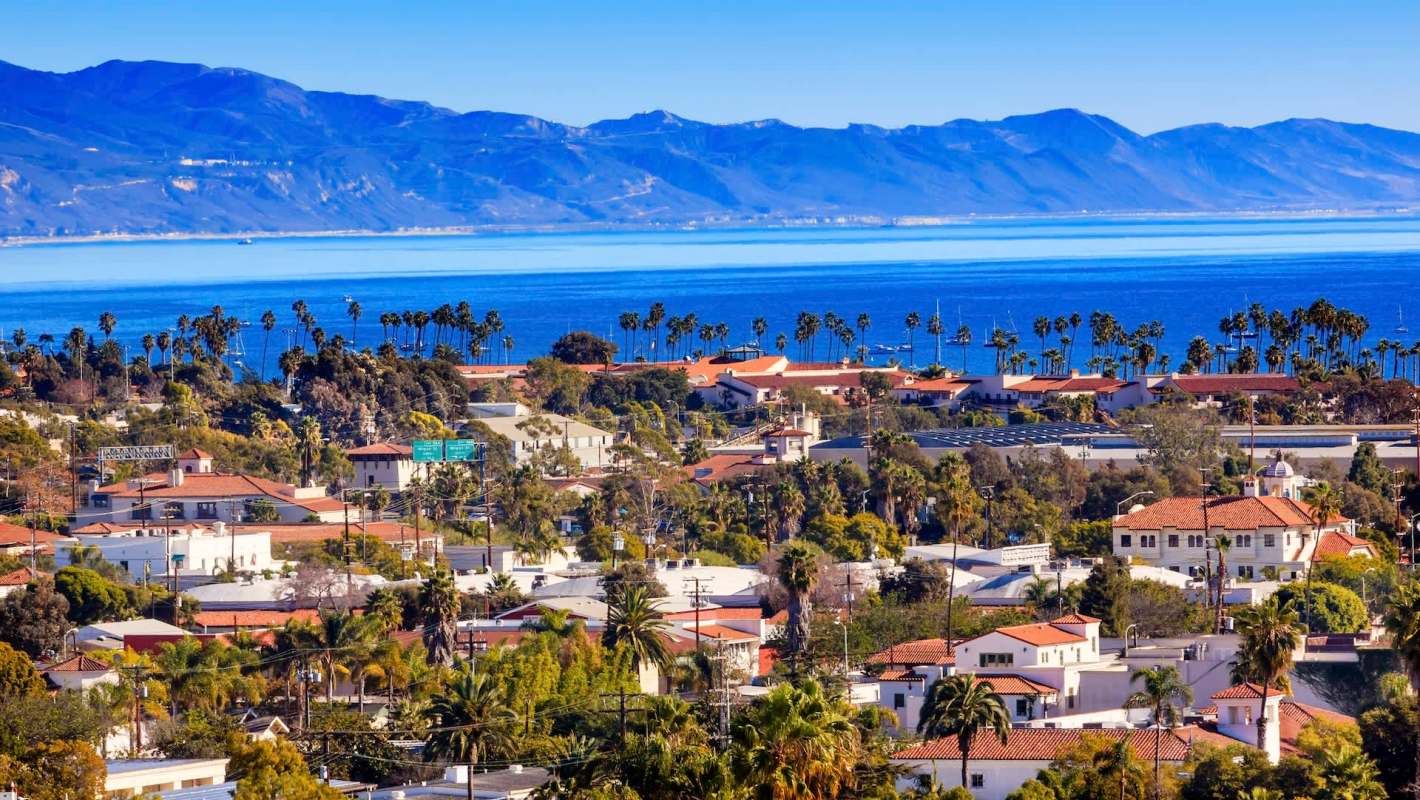
Santa Barbara is moving to speed up one of the slowest parts of homebuilding: environmental review. City leaders have approved a broader housing plan intended to reduce delays as the city works toward an ambitious goal of adding thousands of new homes.
Here's what to know
Santa Barbara has to add 8,001 homes within eight years to satisfy its state-assigned regional housing needs allocation, the Santa Barbara Independent reported. State data shows the city is already not keeping up with those targets.
A major step came Aug. 11, when the Santa Barbara City Council signed off on a program-level environmental impact report connected to the city's Housing Plan. The broader review is intended to help move 32 current and future housing programs through the process faster.
Instead of clearing any specific project for construction, the approved report examines the environmental effects of the housing strategy at a citywide level, including future residential and mixed-use growth. That approach is meant to speed programs related to affordable housing, accessory dwelling units, adaptive reuse, and short-term rentals.
Council approved the measure 5-1. Councilmember Kristen Sneddon voted no, while Councilmember Mike Jordan was absent.
More background
Santa Barbara's challenge mirrors one facing many California cities: high housing costs, limited supply, and lengthy approval timelines. Environmental review can play a major role in protecting natural resources and neighborhoods, but it can also add costs and administrative hurdles when every policy or project has to start from the ground up.
TCD Picks » Quince Spotlight
💡These best-sellers from Quince deliver affordable, sustainable luxury for all




During public comment, residents pointed to possible effects on wildlife and habitat, historic resources, schools, transportation, and infrastructure. In a coastal city like Santa Barbara, those concerns can take on added significance as development pressures meet environmental protections.
The final report found that many impacts associated with enabling more housing would either be limited or could be substantially reduced through mitigation. It cited measures such as protections for creeks and woodland, along with construction noise management plans when those are needed.
Sneddon said she was "hesitant" to support an "overarching, holistic EIR that exempts things first and then goes back to projects," per the Santa Barbara Independent. She also said the analysis should have looked more closely at issues including trash handling and whether schools could absorb additional residents.
What's being done?
The plan is built around a practical concern: requiring each housing program to complete a separate environmental review would add more steps before new homes could even begin advancing.
City Administrator Kelly McAdoo said that kind of repeated review would increase both administrative work and costs for Santa Barbara. In a city where housing is already expensive, delays like that can further raise the price for renters, buyers, and developers.
Officials also said the broader report does not eliminate the possibility of more project-specific review. Developments can still face additional environmental scrutiny if they present impacts beyond what the citywide analysis covered.
Councilmember Eric Friedman said, "We do need to keep an eye on a lot of these issues that development is causing, but at the same time, we're either going to move forward with housing production where we need it in strategic areas and facilitate that, or we're not."

Get TCD's free newsletters for easy tips, smart advice, and a chance to earn $5,000 toward home upgrades. To see more stories like this one, change your Google preferences here.







