


A Sandusky, Ohio, family says a new air conditioner turned into a costly nightmare after an odd smell appeared the same week the system was installed in July 2025.
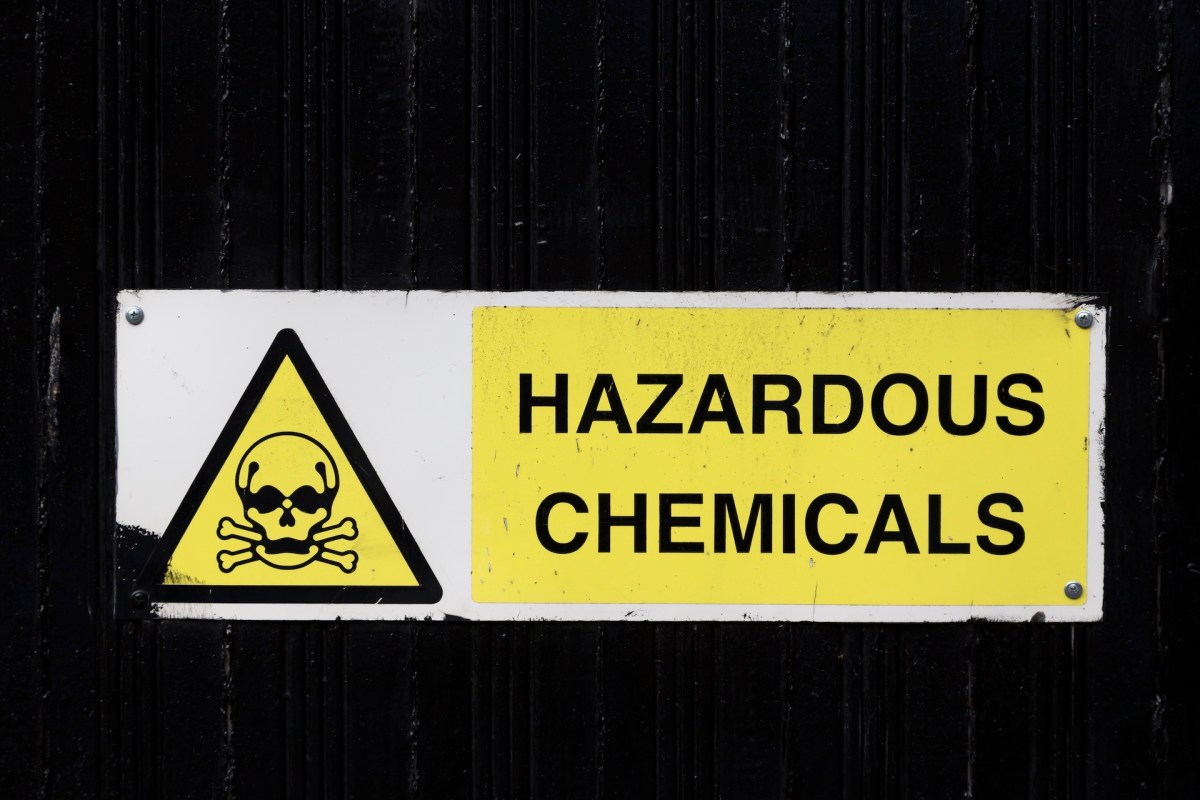
Since then, Sandusky homeowners Del and Rebecca Bartlett have been unable to live in their home, and tests found dozens of chemicals inside, WTVG reported.
Here's what to know
Del and Rebecca Bartlett have been out of their Sandusky home since the new AC system was installed in July 2025.
Rebecca Bartlett said testing detected the BTEX group — benzene, toluene, ethylbenzene, and xylene — along with 60 other chemicals.
The couple told WTVG they had lived in the house for six years without this issue before replacing the air conditioner.
Because the smell appeared the same week as the installation, they focused on what changed during the job, including whether the installer reused an older part of the system that should have been replaced.
TCD Picks » Quince Spotlight
💡These best-sellers from Quince deliver affordable, sustainable luxury for all




Del Bartlett said health issues quickly followed.
"My wife got sick, started to get chest pain. There was a cough. I could smell something bizarre as soon as I came in," he recalled.
When getting an HVAC quote, one important detail to clarify is whether the installer will keep the existing tubing in place or replace it as part of the new installation.
More background
For the first six years they lived there, the Bartletts never experienced anything like this.
Problems only began after they spent thousands of dollars on a replacement air conditioner.
Rebecca Bartlett explained that the family believes one installation component is at the center of the problem.
"The tubing was original to the house, so it was the 17-year-old tubing that was reused, and it just so happens that the old oil and the new oil don't go together," she told the station.
After the smell appeared, the family tried several approaches, including opening windows, turning off the new AC, and using air purifiers. The odor and illness remained when they returned, leaving the home unusable despite the major purchase.
Rebecca Bartlett said she has been investigating the problem.
WTVG noted that she has a hazardous materials background from the U.S. Air Force and has reached out to Erie County, Environmental Consultants of Ohio, and the federal Environmental Protection Agency.
What can be done?
Rebecca Bartlett submitted a petition to the federal EPA asking for a rule requiring installers to replace existing infrastructure with these newer systems rather than reuse old components.
The Bartletts say any upfront savings from reusing old tubing were outweighed by what followed: repeated testing, air purifiers, and losing access to their home after they had already paid thousands for the new unit.
The Bartletts are arranging a third round of home testing with Environmental Consultants of Ohio, but they still do not know when it will take place.
"There's a group of chemicals called the BTEX group … These things should not be in a residential living room at all," she told WTVG.
Where can I learn more?
These stories explore other ways air conditioners, refrigerants, and HVAC systems can affect home health and safety. They cover new cooling technologies and pollution concerns tied to climate-control equipment.
• Scientists are testing solid-state cooling materials that could reduce harmful refrigerant problems.
• Across U.S. homes, experts say upgrading HVAC systems can cut indoor pollution risks.
• Across Europe, newer car ACs may be a major PFAS source in the environment.

Get TCD's free newsletters for easy tips, smart advice, and a chance to earn $5,000 toward home upgrades. To see more stories like this one, change your Google preferences here.






