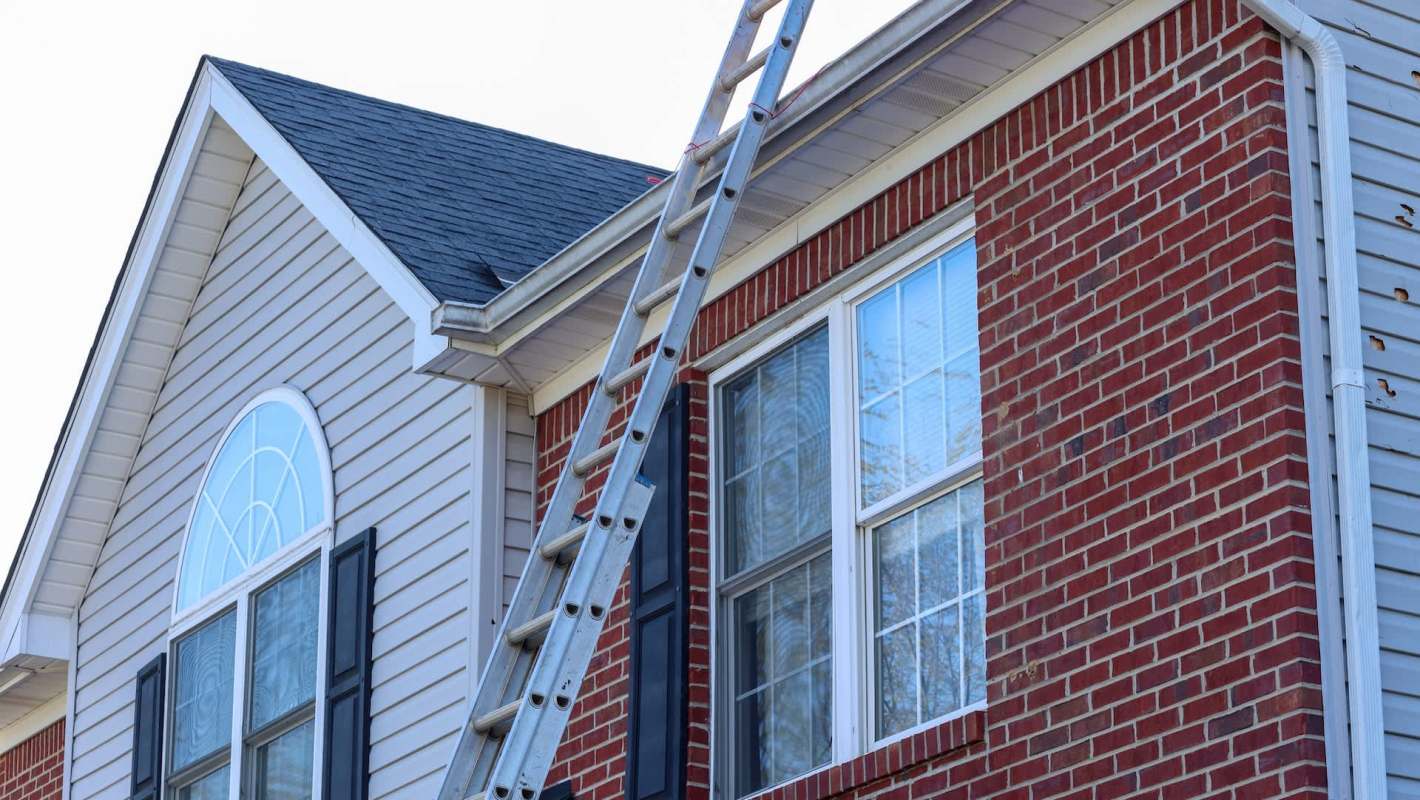
Homeowners at a condominium complex in San Clemente, California, say a surprise emergency assessment of more than $26,000 per unit is rattling the community and could force some residents out of their homes.
For many residents, the charge is more than a frustrating expense — they say it could upend their lives.
Here's what to know
Homeowners at San Clemente's Vilamoura condominium complex say an emergency roof assessment costing more than $26,000 per unit has blindsided the community, and some told KABC it could drive them from their homes.
Among them is 81-year-old resident Beverly Albright, who said the unexpected cost has left her worried she may no longer be able to stay where she lives. "I will have to move. And this was my... I've worked very hard to make it so that I could be here," Albright said.
Residents told KABC that the 198-unit complex gave homeowners three payment options: pay in full, pay in two installments, or use a plan that would require more than $2,000 per month for six months, then $400 per month afterward.
Some owners are also disputing whether the board could legally treat the roof work as an emergency assessment and skip a membership vote.
TCD Picks » Quince Spotlight
💡These best-sellers from Quince deliver affordable, sustainable luxury for all




Homeowner Noah Martin told KABC, "It didn't fit under the California Code of Regulations, 5610. Clearly, it was not an emergency; it's a deferred maintenance. And so, then we as members should have a vote on how we want to take care of the roofs."
The HOA board declined to comment because of ongoing legal matters.
More background
Residents say the assessment grew out of a maintenance problem that had been building for years, not a sudden emergency. They told KABC the board had long known roof work was approaching, that the roofs are not actively leaking, and that only the underlayment — not all of the tiles — needs replacement.
Homeowner Adam Dubin said, "What we would like to do is have multiple bids competitively submitted and actually negotiate those bids in the best interest of the homeowners. As the board should be doing with their fiduciary responsibilities to us."
The dispute centers on HOA authority over homeowners' finances and property decisions. Across the country, HOAs have faced criticism for blocking money-saving home upgrades such as rooftop solar panels and native plant lawns, even when those changes could reduce utility bills or lower maintenance costs. For homeowners navigating those rules, it can help to review this resource on working with HOAs.
According to KABC, homeowners in Vilamoura were told that unpaid assessments could result in liens on their properties.
What's being done?
Residents said they are trying to recall HOA board members and have submitted a claim alleging the board broke the law. Some also said they are considering a lawsuit. A GoFundMe page has also been created to support neighbors who cannot afford the charge.
KABC also spoke with Michael Kushner, an attorney and HOA expert at MBK Chapman who is not involved in the dispute, who said homeowners are often still required to pay first and challenge the charge afterward.
"Homeowners have to pay those, even if they're completely illegal. They have to pay them and then dispute them. California law doesn't recognize the right of offsets, and you can't withhold payment," Kushner said.
Albright said the potential fallout remains painfully clear: "Retired, single, what, lose my house? I wouldn't qualify for a loan to refinance. So where do you go?"
Where can I learn more?
The fight at Vilamoura is part of a familiar pattern. HOA disputes that start with one bill or repair project and grow into bigger battles over who controls homeowners' money and property decisions. These articles examine how maintenance costs, yard rules, and blocked solar upgrades can leave residents paying more while raising questions about whether their boards crossed the line.
• A homeowner said steep maintenance fees turned vague lawn demands into another costly HOA fight.
• A resident said money-saving home installation plans sparked questions about whether HOA rules were legal.
• In Ohio, blocking new homeowner investment put HOA authority on a collision course with state law.
Each case shows how fast an HOA decision can become a serious financial issue for the people living under it. They also help explain why homeowners so often end up fighting both the charge itself and the board's power to impose it.

Get TCD's free newsletters for easy tips, smart advice, and a chance to earn $5,000 toward home upgrades. To see more stories like this one, change your Google preferences here.