


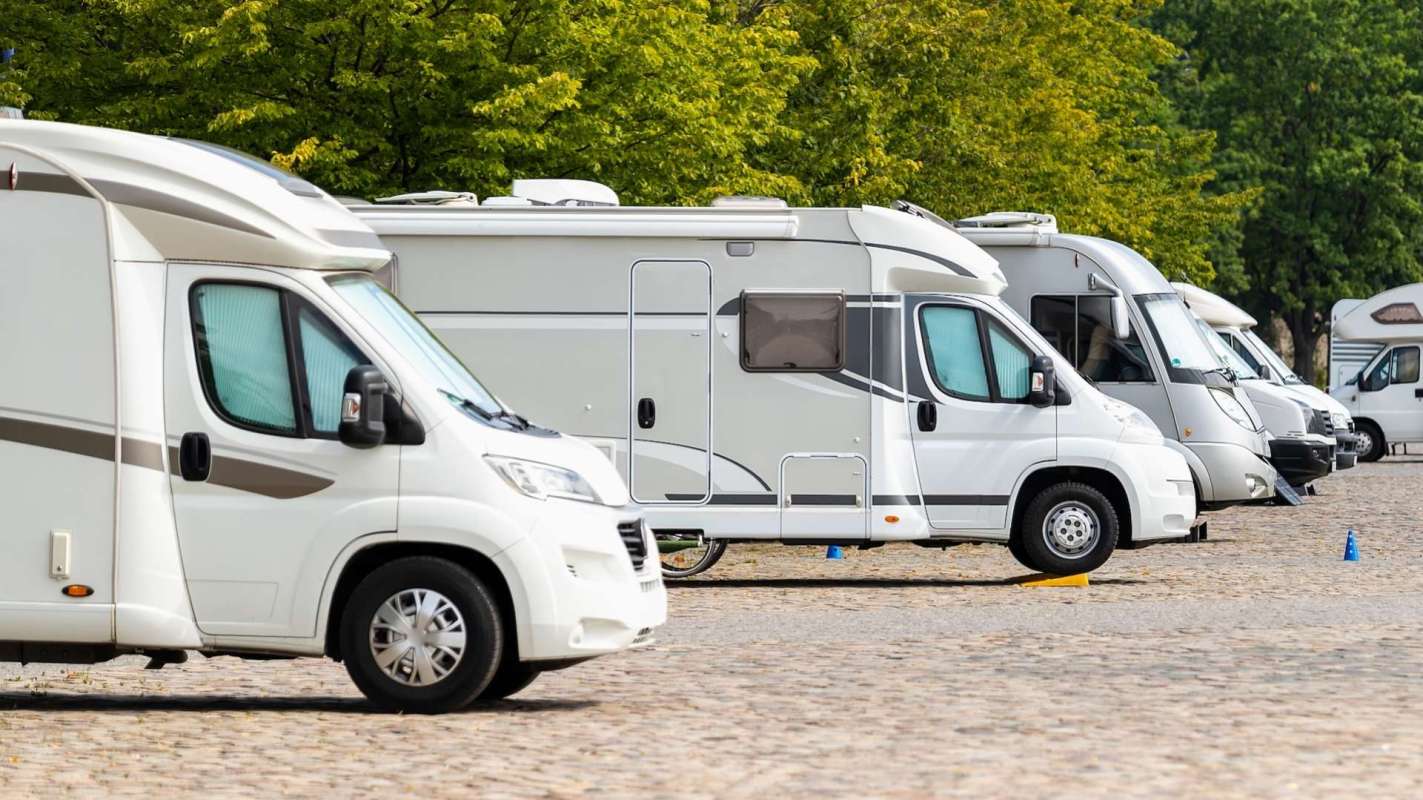
If you're considering RV life in Oklahoma, the biggest obstacle may be finding a place where it can legally stay for more than a few days.
Here's what to know
The RV lifestyle is becoming more popular for downsizing and lower housing costs, but local parking and occupancy rules can quickly complicate the shift.
By 2024, more than 7,000 Oklahomans were estimated to be living in an RV, boat, or van, according to the U.S. Census American Community Survey figures cited by The Oklahoman. That total was nearly double the 2020 figure, though the survey also warned that the estimate may be imprecise.
Oklahoma does not have a statewide ban on full-time RV living, so RV occupancy is possible as long as county zoning rules are followed. Local ordinances usually make the rules much tighter, spelling out where an RV may be parked, whether someone can sleep in it, and how long it may stay occupied.
For example, in Oklahoma City proper, an RV used by guests may be occupied for no more than 14 days in a calendar year, and city rules bar compensation, cooking, and utility hookups.
More background
For some households, RV living is a practical response to rising real estate and housing costs. It can mean lower monthly expenses, reduced utility bills, and more flexibility for retirees, remote workers, or people looking to simplify their lives.
TCD Picks » Quince Spotlight
💡These best-sellers from Quince deliver affordable, sustainable luxury for all




Full-time RV living can also mean less space, more maintenance, limited privacy, and constant attention to water, sewer, and electrical systems. Legal parking remains one of the biggest challenges, especially in urban areas.
For people who want hookups while staying closer to local requirements, RV parks are often among the most straightforward options. According to The Oklahoman, however, local codes can still restrict how long an RV may remain in a park, and individual park owners may set separate terms of their own.
What can be done?
Anyone considering full-time RV living in Oklahoma should start by reviewing local ordinances before buying land, signing a lease, or moving into a park. The most important questions are whether occupancy is allowed, how long it is allowed, and what hookups are permitted.
In Oklahoma City, for example, residential RVs can use electric service only to charge batteries, and any waste has to go into designated sanitary facilities.
The city also allows just one recreational vehicle per home. Any outdoor RV parking must be on a hard surface, the vehicle must be 11 feet from the curb, and if it is parked in front of a home, it must sit perpendicular to the street.
Comparing county land-use rules, city codes, and RV park policies side by side can help prevent fines, forced moves, or costly surprises after settling in.
Where can I learn more?
These articles take a closer look at RV life and available options.
• Winnebago is preparing a solar-powered electric motorhome for cleaner road trips and quieter camping.
• Anker says portable solar panels for RVs can keep campsites powered without gas generators.
• For condo residents, an EV without home charging can still be workable.
• Researchers found rental EVs can reduce range anxiety and encourage more drivers to switch.
• In New Jersey, plug-in solar for renters can make small-apartment electricity bills easier to cut.

Get TCD's free newsletters for easy tips, smart advice, and a chance to earn $5,000 toward home upgrades. To see more stories like this one, change your Google preferences here.






