


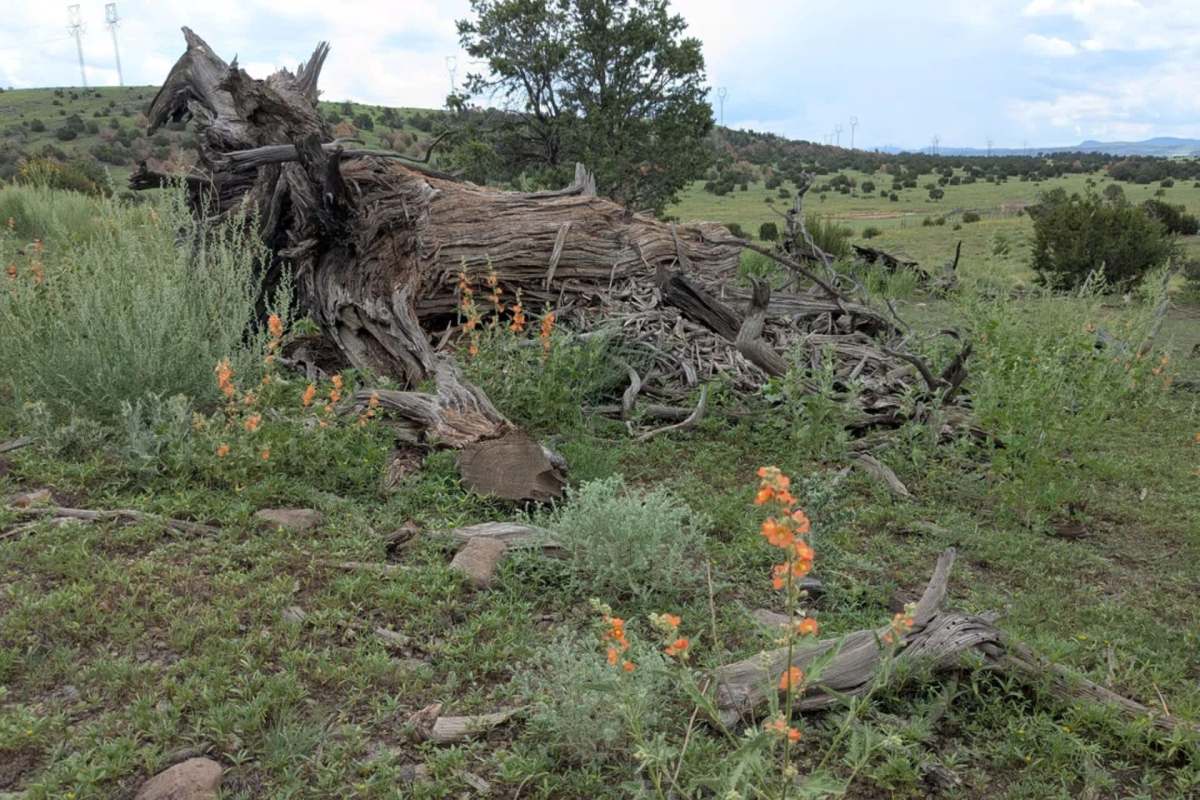
The invasive Russian thistle, known more commonly as tumbleweed, began spreading 'massively' across one homeowner's property in New Mexico, despite a wetter year and a break from grazing that had helped the previously overused land start improving.
An online discussion about the thorny invasive quickly turned into a practical conversation about how to remove it without undoing the land's recovery or stripping away valuable organic matter in the process.
Here's what to know
In Reddit's r/Permaculture community, the landowner described severe past pressure on the area.
The original poster wrote, "Up until last season this area was massively overgrazed. One year with decent rain and no grazing and the area is beginning to thrive. However, I've noticed a bushy thorny plant that has in certain areas spread massively… I finally realized that this was Russian thistle."
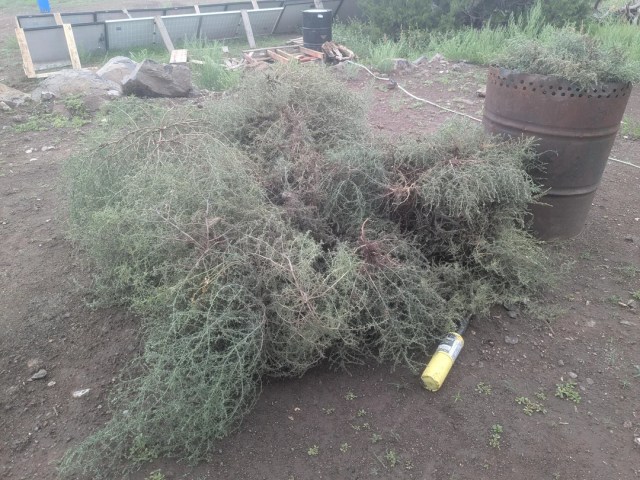
Even so, the OP was reluctant to clear it all at once because it seemed to be "covering the soil and fostering an ecosystem beneath it."
The main advice the homeowner received from other permaculture enthusiasts was to get ahead of the weed before it could set seed.
TCD Picks » Quince Spotlight
💡These best-sellers from Quince deliver affordable, sustainable luxury for all




One commenter advised, "Pull it before it flowers. Make some seed balls with native grasses and wildflowers. Throw those out instead and keep pulling. If you want, chop at base of plant, but they come back fast."
Another wrote, "You should seek to kill it, sure. But in a way that keeps the organic content in the soil as much as possible. Burying it does that really well. In mulch pits, burying it under berms, composting it, etc."
Other replies focused on keeping the soil protected during removal, rather than exposing bare ground in a dry landscape where that can quickly create new problems.
More background
The exchange reflects a common issue for homeowners and land stewards alike: damaged land can begin to recover, only to be overtaken by fast-spreading plants that establish themselves more easily than native species.
Invasive weeds can create more work, more upkeep, and potentially higher costs if they keep returning or crowding out hardier local plants that generally require less maintenance.
Ways to avoid those problems include upgrading to a natural lawn or rewilding your yard with plants suited to the local climate. Options such as native plants, clover, buffalo grass, and xeriscaping can save time and money on lawn care while also lowering water bills.
Swapping out part of a thirsty, high-maintenance yard for low-water landscaping can reduce mowing, trimming, and irrigation while making it easier for climate-appropriate plants to compete.

Get TCD's free newsletters for easy tips, smart advice, and a chance to earn $5,000 toward home upgrades. To see more stories like this one, change your Google preferences here.







