


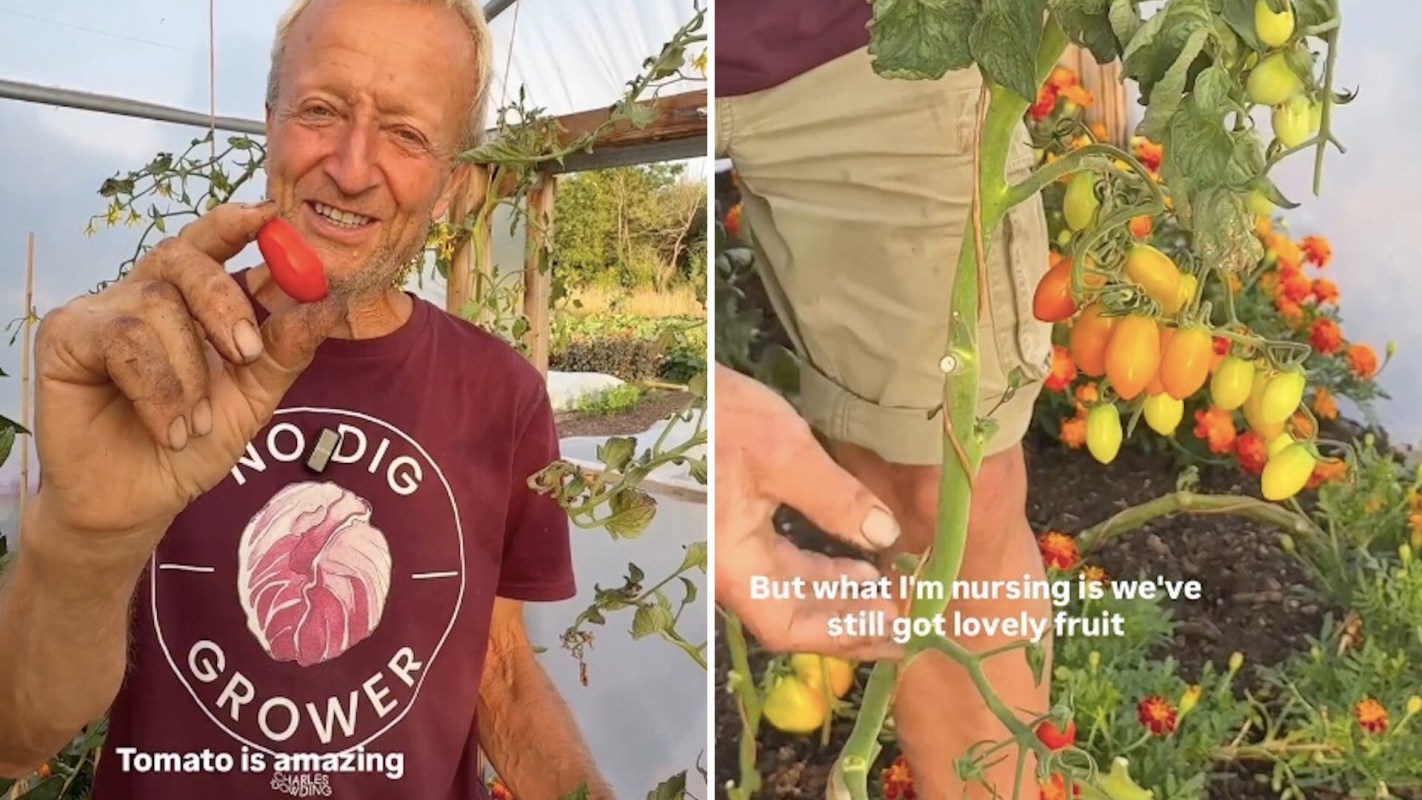
A U.K. no-dig gardener may have uncovered both the promise and the limit of plant cloning in a single tomato vine.
After keeping a discontinued Rosada F1 alive for 13 years through cuttings, no-dig gardening expert Charles Dowding (@charles_dowding) says the fruit still stands out for its flavor, even as the latest clone appears to be losing vigor.
What happened?
Charles Dowding of the U.K.'s Homeacres no-dig garden shared an Instagram post featuring a Rosada F1 tomato he has maintained through repeated cloning instead of seed saving.
Dowding explained why that process has been necessary: "For 13 years the seed has not been sold, so how are we doing it? We keep a side tube or sucker every October roughly, put it in compost, keep it alive over winter."
He added that the current plant is "roughly the 13th clone in a row."
Even so, the tomato is still producing flavorful fruit. Dowding said the Rosada now looks weaker than nearby plants, with a thinner stem and smaller leaves, and added, "It does seem like repeat cloning you, you're losing some vigour and immunity."
TCD Picks » Quince Spotlight
💡These best-sellers from Quince deliver affordable, sustainable luxury for all




One commenter suggested a possible workaround: "I wonder if you could graft the sideshoots when they're very small? Grow the rootstocks to a certain size then join them? That would give them vigour and disease resistance."
Why does it matter?
That can help save money on produce and gardening supplies while preserving the flavor that made the variety so appealing in the first place.
Dowding opened the video with a straightforward endorsement: "This tomato is amazing flavour."
Growing food at home often means better taste, fresher harvests, and more control over how crops are raised.
Still, cloning is not guaranteed to preserve a variety indefinitely. A tomato can go on producing high-quality fruit while gradually becoming weaker, which can make it harder to keep that plant going over time.
What can I do?
Gardeners who want to clone tomatoes can root side shoots in compost or water and then concentrate on protecting those young plants through winter.
Dowding said getting them through frosty weather is "the tricky bit," especially when temperatures drop unexpectedly.
If a cloned line starts to weaken, growers may want to try fresh plants, test other varieties, or experiment with grafting in an effort to restore vigor.
For many households, even a handful of productive tomato plants can help cut grocery costs, improve meal quality, and make a backyard, balcony, or patio more useful.
"I just love these fruits. Rosada. Rosada," Dowding said.
One commenter echoed the affection many gardeners still have for the variety: "I grew these years ago, they're beautiful! I couldn't believe they stopped making them."

Get TCD's free newsletters for easy tips, smart advice, and a chance to earn $5,000 toward home upgrades. To see more stories like this one, change your Google preferences here.






