


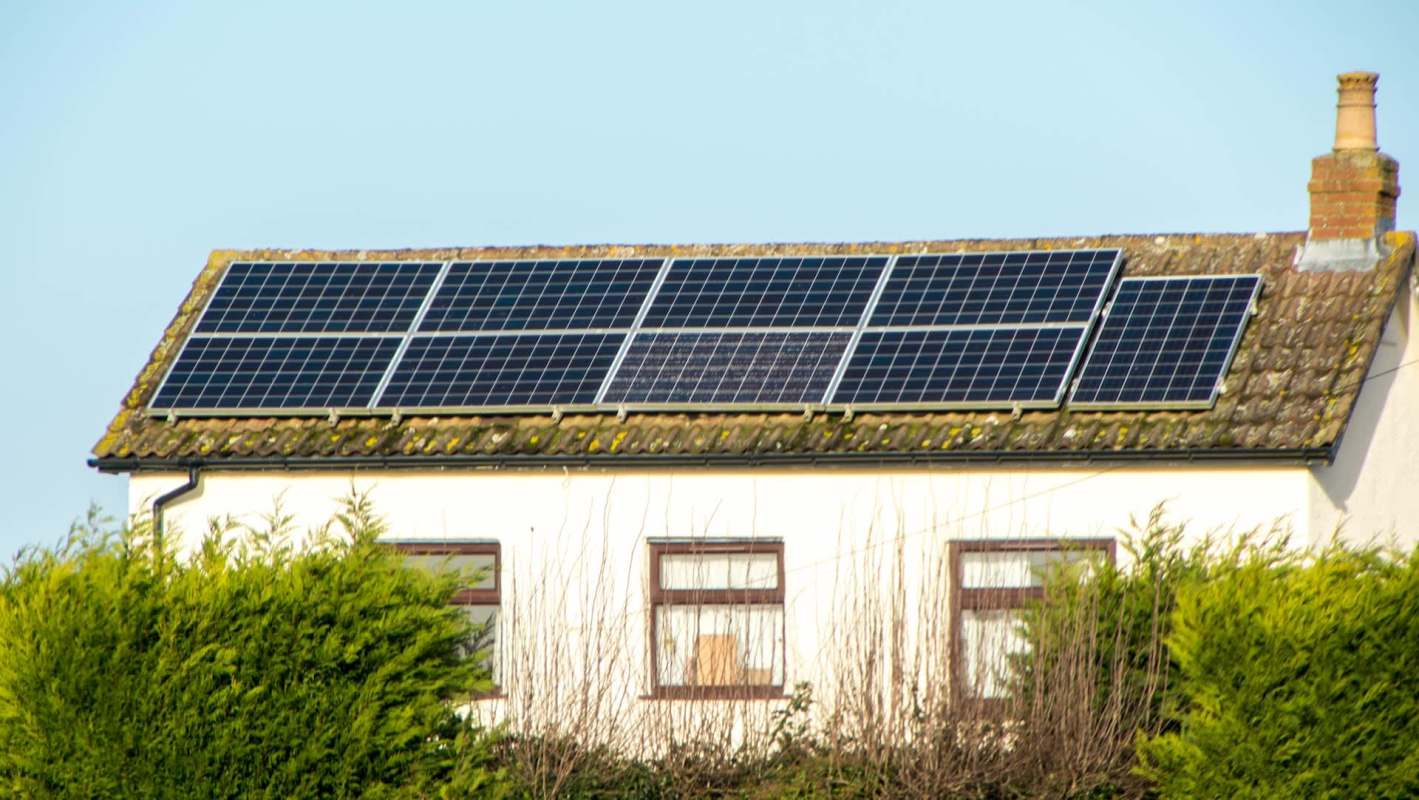
A grant-funded rooftop solar system helped one couple in England drive their electricity usage charges to under £3 (~$4 USD) a month during the sunnier part of the year, and it also earned them £197 (~$261) from electricity sent back to the grid.
Their first year with the setup showed both the benefits and the compromises of the technology.
Here's what to know
As Sam Walker wrote in a first-person piece published in MoneyWeek, the couple fitted the panels in early October 2025 after their local council told them they qualified for the Warm Homes: Local Grant. The program is open to eligible households in England and can cover upgrades such as solar panels, insulation, and heat pumps.
In their case, they qualified because they live in an eligible postcode and have a home with an Energy Performance Certificate rating of D. Applicants typically need to live in a privately owned home or a landlord-owned property, and household income is usually limited to £36,000 (~$46,673).
Viewed over a full year, Walker said the lowest electricity usage costs came from April through September, when monthly charges stayed below £3 before the standing charge. In the colder months, usage costs rose again, peaking at £32 (~$42) in January.
For households that pay for their own system, going solar is one of the best ways to save on home energy. Homeowners can try EnergySage to get free solar installation estimates and compare quotes.
More background
Lower grid use was only part of the savings, Walker wrote in MoneyWeek. Because the home had a battery, it could store extra solar power and export it once the battery was full, creating an additional stream of income.
Those exports had brought in £197. July was the best month at £41 (~$54).
Save $10,000 on solar panels without even sharing your phone number Want to go solar but not sure who to trust? EnergySage has your back with free and transparent quotes from fully vetted providers that can help you save as much as $10k on installation. To get started, just answer a few questions about your home — no phone number required. Within a day or two, EnergySage will email you the best local options for your needs, and their expert advisers can help you compare quotes and pick a winner. |

The couple used a smartphone app to monitor daily electricity production and household consumption. The app also showed when the battery was charging or discharging and estimated the environmental impact at more than 5,950 pounds (2,700 kilograms) of carbon dioxide avoided and more than 89 gallons (337 liters) of oil saved.
There were downsides as well. In summer, Walker wrote, the battery's cooling fan made a low humming noise, and they disliked the outdoor equipment's appearance enough to cover it with a wooden trellis screen.
What can be done?
Programs like this one can help eligible households pay for home upgrades that cut pollution. Walker admitted in MoneyWeek that if they had needed to cover the upfront cost themselves, they might have paid down the mortgage first.
For people pricing out a system on their own, EnergySage offers free tools that let homeowners curate competitive bids from local installers without sharing their contact information unless they choose to move forward. With EnergySage's help, the average person can save up to $10,000 on solar purchases and installations.
More From EnergySage
💡Go deep on the latest news and trends shaping the residential solar landscape


EnergySage's solar map shows the average cost of a home solar panel system by state, along with solar panel incentives for each state, which can help homeowners get the best price for rooftop solar panels and access available incentives.
Adding battery storage to a solar setup is one of the best ways to protect your home during outages, save money on energy, and go off-grid when conditions allow. Homeowners can explore EnergySage for information about home battery storage options, including competitive installation estimates.
Where can I learn more?
Solar can shrink power bills, unlock incentives, and sometimes benefit entire communities.
• In North Lincolnshire, a free solar panel scheme hit a milestone that could cut bills.
• One homeowner received $14,000 in government incentives for solar panels and erased the electric bill.
• EnergySage's Former COO broke down the mystery of solar costs and how homeowners can save.

Get TCD's free newsletters for easy tips, smart advice, and a chance to earn $5,000 toward home upgrades. To see more stories like this one, change your Google preferences here.






