


A manager overseeing 11 buildings thought a hail-related roof replacement was already behind them. Then they climbed into the attic and found something alarming.
Here's what to know
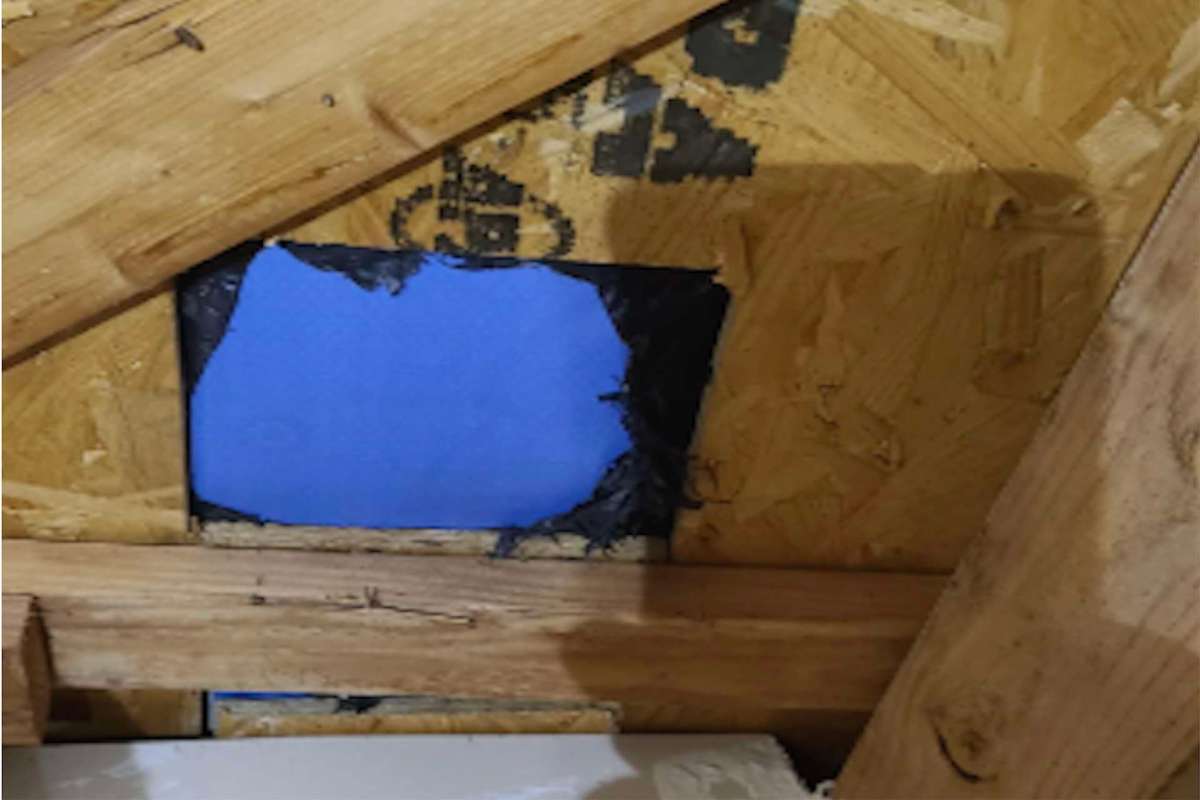
In a Reddit post, the original poster wrote: "I've been in attics today reconnecting our forced air ducts to the new vents when I saw they moved some of the box vents near the peak and left the old holes wide open."
The photo the OP shared shows the plywood underneath their roof with a large square-shaped hole covered by the backside of roofing shingles.
The poster asked: "Is this acceptable? I'm up on these roofs periodically and don't want to step through it or deform the shingles."
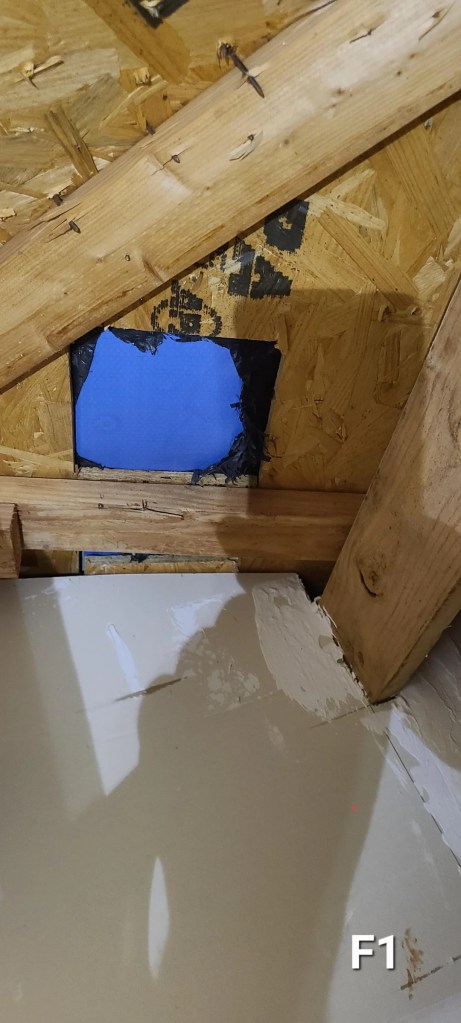
"It's more of a safety thing than anything else if someone is walking on the roof," one commenter wrote, while another added: "This hole would have taken 5 minutes for the most junior crew member to patch."
Another commenter confirmed the OP's concerns: "That's a broken leg or worse if you stumble off the roof."
TCD Picks » Quince Spotlight
💡These best-sellers from Quince deliver affordable, sustainable luxury for all




More background
Multiple commenters argued that leaving former vent openings unpatched is still unacceptable work. "Where i live thats a code violation," one commenter wrote, while others stressed that the most immediate danger was someone stepping in the wrong spot and falling through the roof.
The poster said they maintain several buildings and noted in a reply that "some of these buildings have 20 box vents on top." If a crew repeated the same shortcut across multiple structures, the cost, waste, and disruption tied to fixing it later could rise quickly.
What can be done?
The first step is documentation. Photos from inside the attic and from the roof surface can help show exactly where vents were moved and whether the old decking openings were properly repaired.
The next step is usually to call the contractor back and ask for a clear correction plan in writing. Based on the discussion, commenters believed the proper fix should include patching the roof decking, not simply covering the area cosmetically from above or below.
If a contractor pushes back, getting a second opinion from an independent roofer or inspector may be worth the extra cost, especially before final payment is issued. That can be particularly important after storm repairs, when fast-moving work can hide flaws in venting, decking, or duct reconnections.
Attics, vent penetrations, and other hidden details can reveal whether the job was actually completed with care.
Where can I learn more?
Roof repairs can expose bigger issues with contractor labor, ventilation, and storm-related home upgrades.
• Homeowners said homeowners association contractors used bleach spraying tactics on roofs, raising health fears.
• A 30-year-old homeowner pulled a vent cover and found decades of dust.
• On the Texas Gulf Coast, one homeowner fought for hurricane-proof roofing approval from an HOA.
• In Florida, a husband's white-roof experiment sparked warnings about painting asphalt shingles in place.
• Those homeowners later got revenge on their HOA after a roof replacement fight.

Get TCD's free newsletters for easy tips, smart advice, and a chance to earn $5,000 toward home upgrades. To see more stories like this one, change your Google preferences here.






