


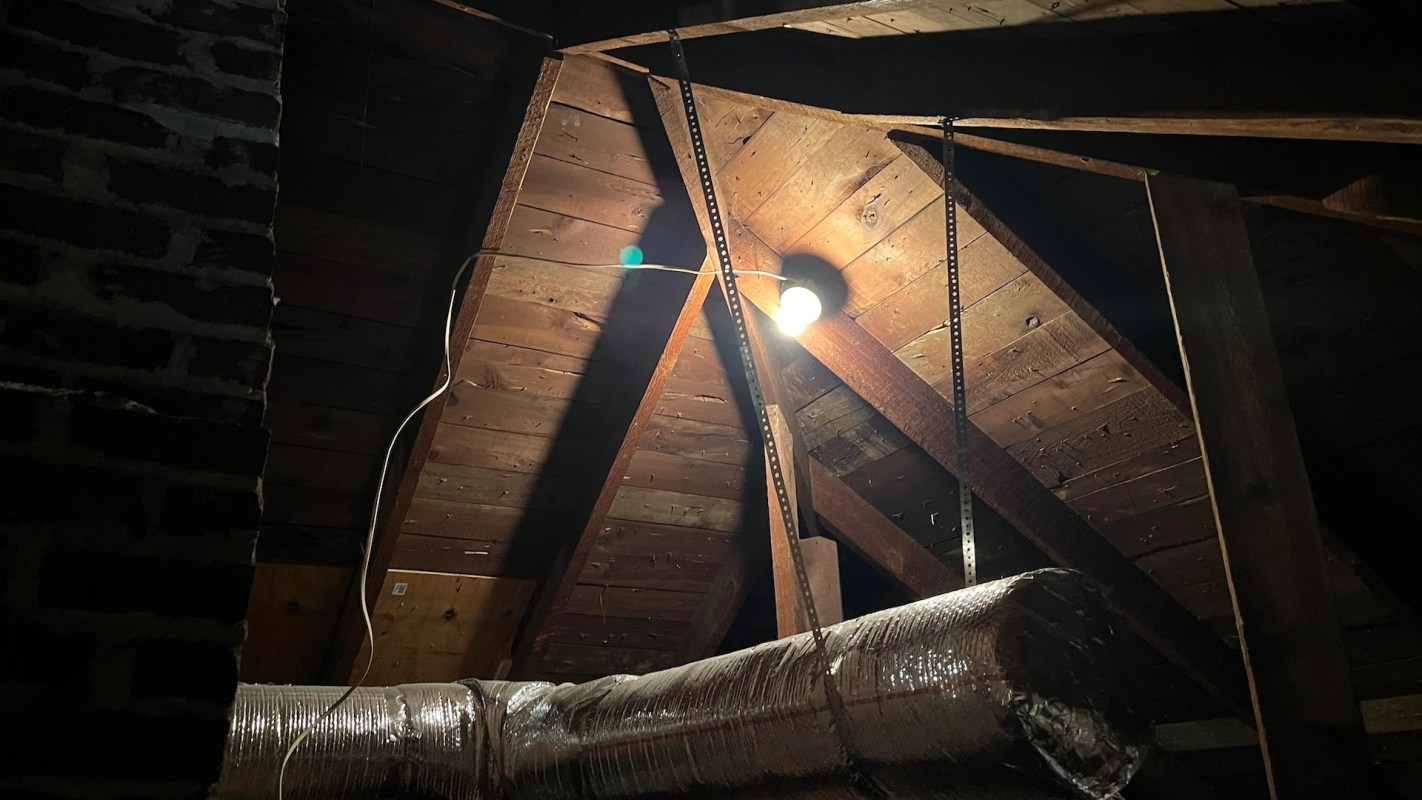
A homeowner in Alabama, planning a roof replacement on a 1925 house, got two bids that proposed very different paths.
Here's what to know
In a post on Reddit's r/Roofing, the original poster said the house still has its original 2x6 framing and plank roof deck from 1925. They described the decking as being "in decent condition," despite some gaps between boards and a few spots where past owners had swapped in plywood.
The two estimates also called for different scopes. One contractor wanted to strip the shingles, repair or replace damaged planks, and reshingle for $17,000. The other proposed a tear-off and a full layer of a particle board known as oriented strand board, or OSB, over the existing deck. It would also include new shingles and come to a total of $10,000.
One person told the homeowner to "get a third quote," and another noted that the spread was hard to explain because covering the deck generally means more labor and material.
More background
Much of the back-and-forth centered on the condition of the old boards.
One commenter said that when the planks are still solid, loose ones can be re-nailed and acceptable gaps left alone, meaning "you can just go for it" with targeted repairs.
TCD Picks » Quince Spotlight
💡These best-sellers from Quince deliver affordable, sustainable luxury for all




If the planks are more worn, commenters said overlaying them can make sense. They also cautioned that the extra layer adds weight.
And as one person warned, "Moisture can do you dirty with this setup if done without proper ventilation."
Another commenter described "OSB on shiplap" as a "solid move" only if the roof has a strong ventilation setup, such as gable or soffit vents along with ridge vents.
Not everyone agreed on what to use if the homeowner does cover the planks. One commenter applauded using OSB while a different reply argued for metal roofing because plank decking grips roofing screws well and metal "don't care about gaps."
What can be done?
For next steps, commenters said the homeowner should treat the bids as two different scopes. One reply specifically urged asking the second roofer to spell out the OSB thickness, panel rating, and fastening layout.
That same advice extended to where the fasteners will go and what happens before the new layer is installed. The homeowner was told to verify that fasteners will reach the roof framing instead of just the old planks, and to ask how any boards would be fixed before being covered.
People in the thread also pushed for another estimate and for a firm square count. They said both contractors should be pricing the same allowance for wood repairs, which would make it easier to compare like-for-like scopes instead of two very different jobs.
In other words, the cheaper number alone does not settle which proposal is better. As one commenter wrote, "i would think those quote prices being opposite makes more sense."
Where can I learn more?
Roofing projects often raise the same kinds of questions about materials, surprise costs, and add-ons.
• In Florida, a husband's white roof experiment sparked warnings about painting asphalt shingles.
• Roofers and energy experts say what happens to your roof after solar matters.
• At an upscale beach community, one resident fought the HOA over rooftop solar panels.

Get TCD's free newsletters for easy tips, smart advice, and a chance to earn $5,000 toward home upgrades. To see more stories like this one, change your Google preferences here.






