


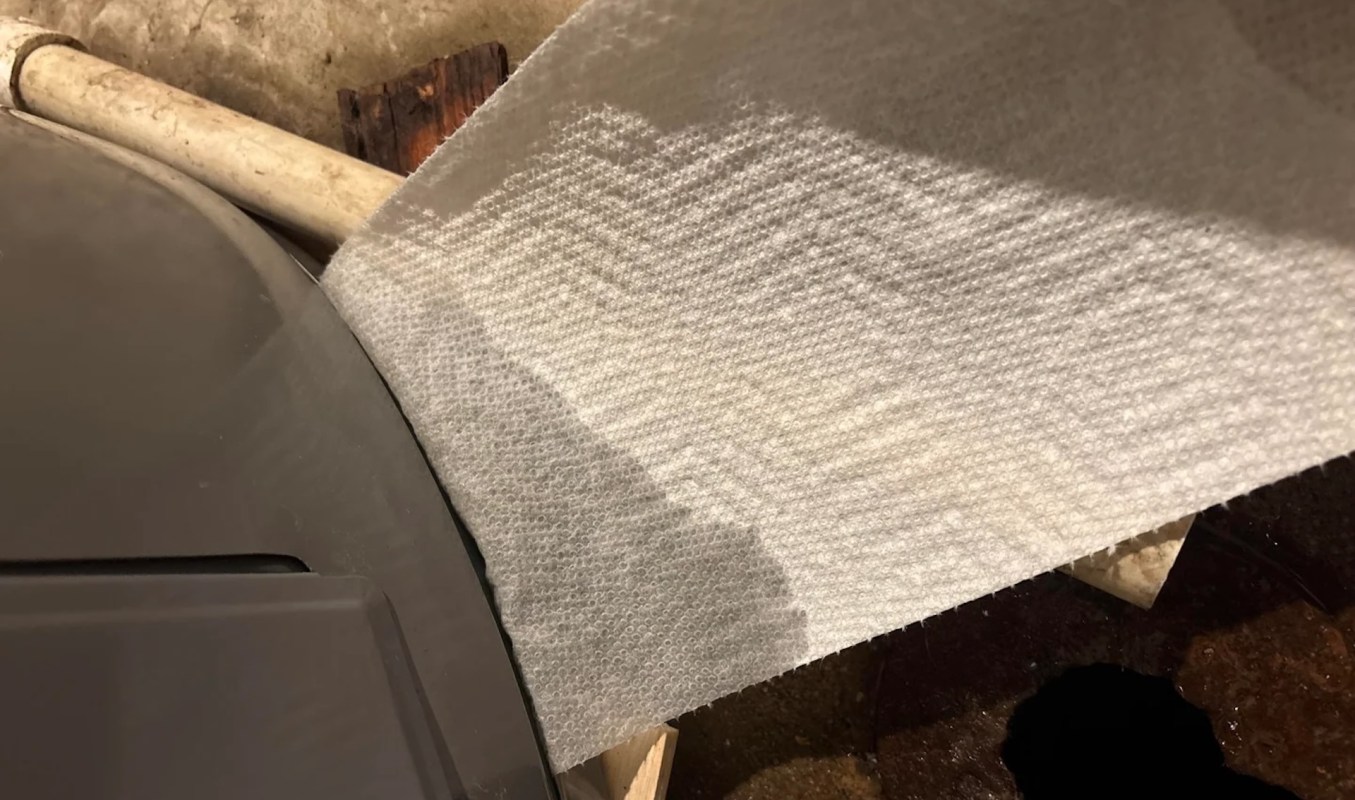
A few drops of water can make a brand-new appliance feel like a costly mistake. That was the situation one homeowner faced after installing a 40-gallon Rheem water heater and spotting moisture where they did not expect it.
Here's what to know
For homeowners replacing an aging tank, that kind of project can also be a chance to lower utility costs. But as one Reddit post showed, the first concern is often much simpler: figuring out whether the water points to a defect or just a messy install.
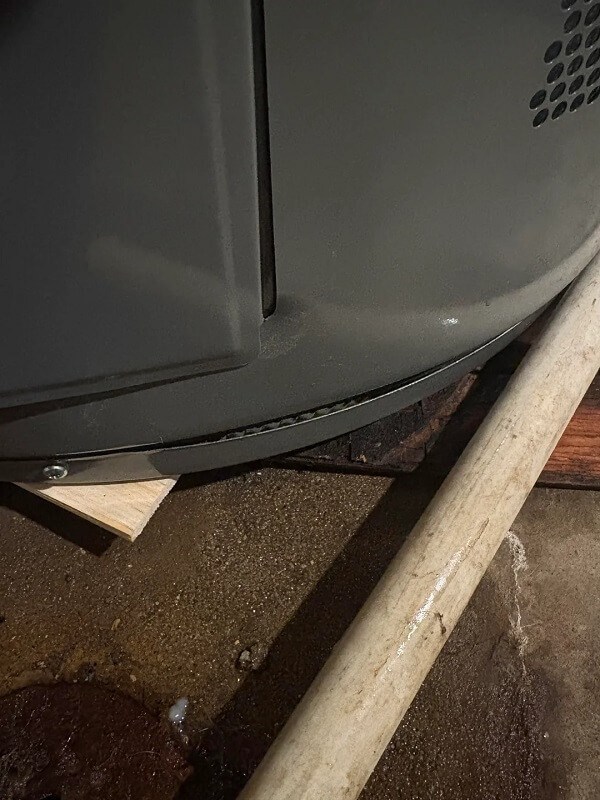
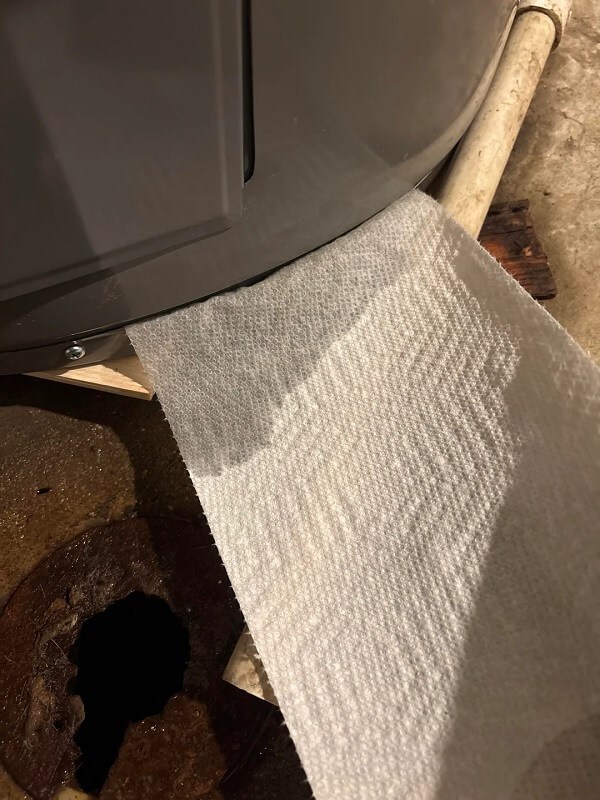
"Condensation, defective?" the homeowner asked. "I'm not sure whether to be worried or not." The concern came after they noticed water while taking a photo of the new unit.
Rather than blame the tank right away, one commenter advised checking for an active leak first. "Dry everything up really well. Check for leaks at your connection points. Wipe it down one more time. Check again in 30ish mins," they said.
That follow-up check led to another suspicious area, with the original poster saying they found moisture near a higher connection.
The discussion then turned to the reused SharkBite hoses. A plumber said those fittings were the more likely issue, writing, "Sharkbites are a very common cause for leaks. I see it almost daily as a plumber." The advice was to replace both hoses.
More background
Even a small leak around a water heater can quickly become a bigger household expense. Beyond wasting water, persistent dripping can damage flooring, drywall, and nearby belongings while also shortening the life of a new appliance.
That concern came up because the homeowner had kept the old hoses, saying they "weren't faulty" and asking if they were still okay to use. The plumber's answer was effectively no.
Save $10,000 on solar panels without even sharing your phone number Want to go solar but not sure who to trust? EnergySage has your back with free and transparent quotes from fully vetted providers in your area. To get started, just answer a few questions about your home — no phone number required. Within a day or two, EnergySage will email you the best options for your needs, and their expert advisers can help you compare quotes and pick a winner. Solar panels can save you more than $50k over their 25-year lifespan, and EnergySage can help you save as much as $10k on installation. Which begs the question — isn't that worth an email or two? |

For anyone relying on push-fit fittings, the plumber said the prep work matters — clean the pipe with sand cloth, ream the edges, and mark the insertion depth so the connector is fully seated.
In a later reply, however, the original poster said the moisture may have been leftover from the first fill, when some water spilled with the pressure release open.
What can be done?
If you spot moisture around a newly installed water heater, dry the area completely, monitor it over time, and inspect every connection point before assuming the tank is defective. If any old supply lines or fittings were reused, replacing them may be the cheapest way to avoid a much bigger repair bill later.
If you are not comfortable evaluating pipe prep, fittings, or pressure-relief components, bringing in a licensed plumber can save money. A short service call is often far less expensive than dealing with water damage from a slow leak.
If you're looking to replace a water heater, you may want to consider Cala and its smart heat pump water heaters. Its customizable smart heat pump water heaters help homeowners lower their energy bills by heating water exactly when they need it.
As far as the leaking water heater, by the time they checked again, the homeowner sounded far less concerned and wrote: "Update: No more water in the spots I was putting the paper towel. I think the leak was from install, and letting the tank fill with water. I had the pressure release open while filling, so a bit spilled out when it was filling for the first time. I put a box fan in there last night and took it out this morning. I think I was just being paranoid."
Where can I learn more?
These articles explain how to spot household leaks, keep drains clear, and reduce water waste.
• A home expert says detecting leaks early at home has saved customers thousands.
• A professional cleaner says baking soda keeps drains moving without harsher chemicals.
• Scientists unveiled technology that cuts brine waste while producing more fresh water.

Get TCD's free newsletters for easy tips, smart advice, and a chance to earn $5,000 toward home upgrades. To see more stories like this one, change your Google preferences here.






