


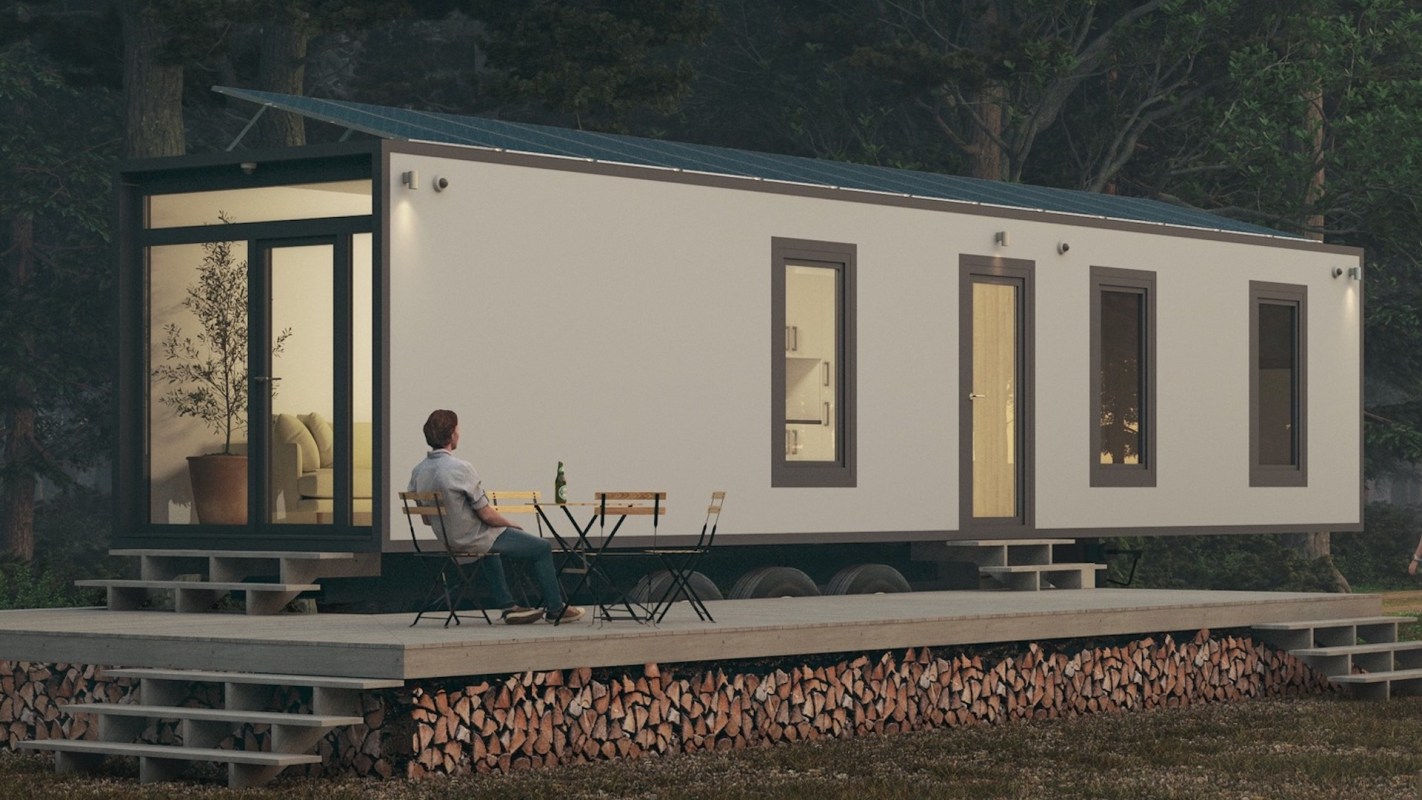
A family-run company in the Czech Republic is finding a new use for retired refrigerated semi-trailers by converting them into compact homes. The concept reuses mobile industrial equipment and offers a lower starting price than many custom tiny houses.
Here's what to know
According to Tiny House Talk, SEFR Home converts decommissioned refrigerated semi-trailers into tiny homes and multipurpose units measuring about 340 square feet.
SEFR Home says construction and delivery typically take four to six weeks from contract. The entry model starts at about 800,000 koruna (roughly $39,000) before taxes, with the schedule helped by the trailer's road-ready structure and insulated shell.
Instead of starting with a trailer chassis and building a tiny house on wheels, SEFR Home uses former food-hauling refrigerated trailers. Because those units were designed to hold low temperatures, the insulation is already built into the structure.
That gives buyers a compact place to live, work, or meet other needs while extending the life of industrial equipment at the end of its original use.
More background
Tiny homes have long appealed to people looking to cut costs, downsize, or add flexible space without committing to a traditional build. However, many custom models are expensive once materials, labor, and transportation are factored in.
TCD Picks » Quince Spotlight
💡These best-sellers from Quince deliver affordable, sustainable luxury for all




Starting with a retired refrigerated trailer changes the math. The shell is already in place, and the insulation once used to keep groceries cold can limit how much new material is needed. Reusing the equipment can also reduce waste by giving it a second life.
The base price puts such a project in vehicle territory rather than housing territory, though buyers still need to account for land, hookups, permits, and taxes.
Tiny living can work well for some households, guest spaces, or business uses, but local zoning rules, parking restrictions, and utility access matter. In many cases, those details determine whether a compact home is truly affordable.
What's being done?
SEFR Home's model opens another lane in the small-housing market. Not everyone wants a bespoke tiny house, and not everyone can afford one. Reworked commercial trailers could offer a middle ground for people seeking a simpler setup at a lower entry cost.
Total costs extend beyond the sticker price to transport, site preparation, utilities, code requirements, insurance, and whether the unit will be used as a full-time home, rental, or backyard workspace.
Turning overlooked materials into useful, livable spaces can save money, reduce waste, and expand the range of housing choices available.
Using a refrigerated trailer as the base for a home is unconventional, but the idea shows how old instruments can be adapted into budget-conscious forms of tiny living.

Get TCD's free newsletters for easy tips, smart advice, and a chance to earn $5,000 toward home upgrades. To see more stories like this one, change your Google preferences here.






