


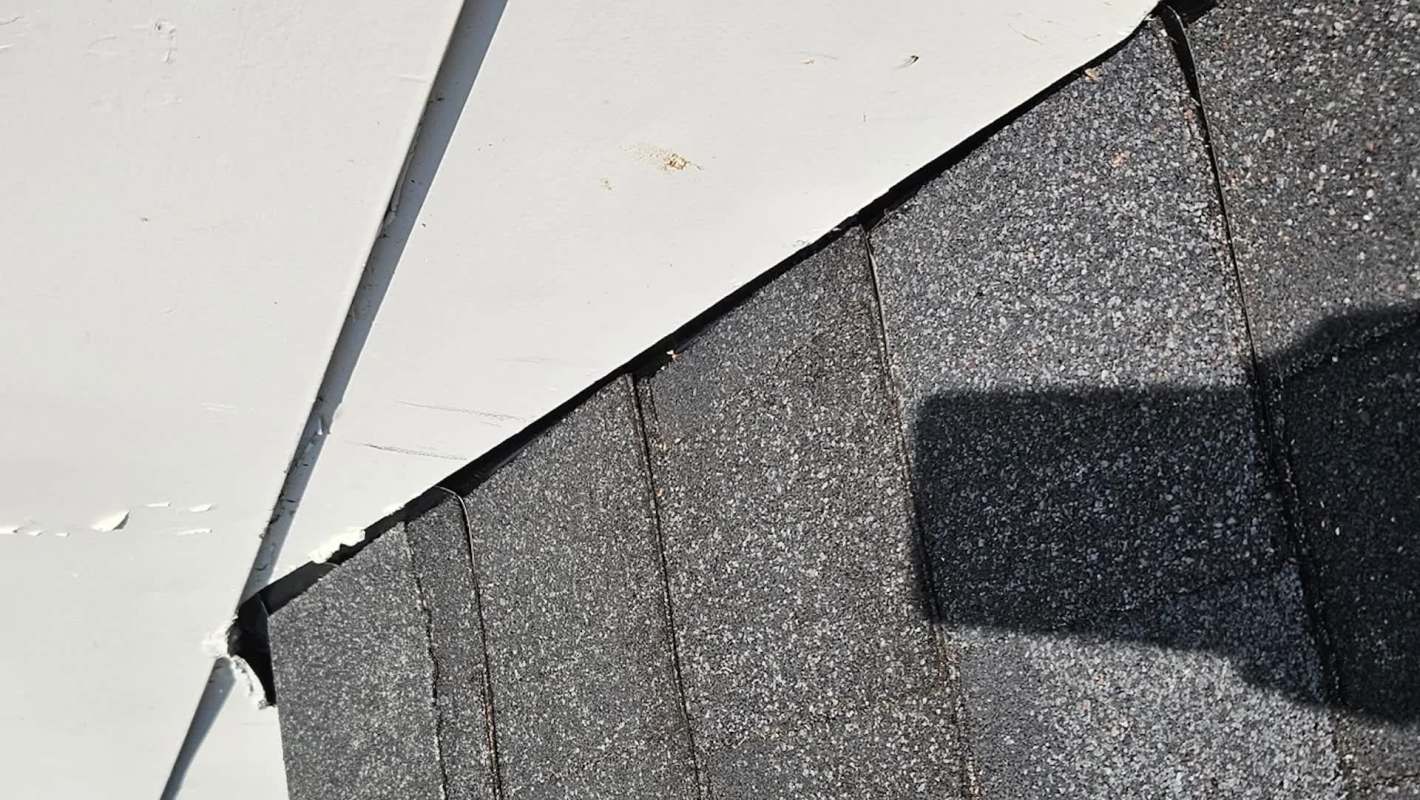
A homeowner who had a reroof done for the first time turned to Reddit with a question many people have after a major home project: Are small imperfections normal, or do they signal that something went wrong?
Here's what to know
In Reddit's r/roofing forum, the original poster shared concerns about their first-ever reroofing.
"First time dealing with a new roof and don't want to bring up to project lead if this is typical stuff but if it is problematic, I will," they wrote. "I am wondering how the flashing is here against the house, from afar it doesn't seem like a huge gap but zoomed in it looks pretty open at the peak, will water get in easily?"
The OP included photos of the work for reference.
Commenters mostly agreed that the homeowner's concerns were normal and that some problems would even correct themselves over time.
"Looks like you have a case of new roof syndrome," joked one commenter, who assured the OP that their shingles will "'lay down' over time as the sun's heat seals them."
TCD Picks » Quince Spotlight
💡These best-sellers from Quince deliver affordable, sustainable luxury for all




As for the OP's "huge gap," commenters also advised that it was likely nothing to worry about.
"The gap is fine, assuming the flashing was done properly," said one commenter. "Better to have a gap than the siding touching the shingles."
More background
Many homeowners with little experience in the building trades face a difficult quandary when deciding whether to raise issues with a contractor or accept them as normal.
On the one hand, homeowners do not want to appear unreasonable by making a big deal about items that are deemed normal in the industry. On the other hand, small issues can become much bigger (and more expensive) problems down the road, especially with a home's roof.
For most issues, commenters assured the OP they had little to worry about. However, on the issue of a "bubble" on one area of the roof, at least one commenter advised taking action.
"The bubbled shingle may lay down, or it may need something to be better nailed down," they wrote. "Ask the contractor to fix it."
What can be done?
When dealing with questions involving a home-improvement project, experts say it is best to document concerns with clear photos. Also, when raising issues with a contractor, be as specific as possible.
Many problems can be avoided from the outset by ensuring contracts clearly define what work is covered and who is responsible for fixing issues that may arise.
It can also be helpful to separate visual blemishes from performance issues. For example, a small gap that seems like an oversight can be intentional, especially if it prevents materials from pressing together and trapping moisture. Raised shingles, on the other hand, may be worth monitoring to see if they eventually settle.
As for the OP, they thanked their fellow Redditors for the helpful advice.
"I was hoping it was nothing major and just part of the process," they wrote. "Thank you for easing my mind."
Where can I learn more?
These articles look at other challenges facing homeowners, including roofing red flags, roof leaks after solar work, and the risks of painting shingles, among other issues.
• A homebuyer sought advice after spotting a seller's 'red flag' roof despite liking the house.
• In Texas, one homeowner said solar panels left his roof leaking for months.
• After an HOA pushback, homeowners installed a hurricane-proof roof anyway and prevailed.
• In Florida, a husband's white-roof test sparked warnings that painting asphalt shingles can backfire.
• GAF Energy is expanding production as nailable solar shingles move closer to scale.

Get TCD's free newsletters for easy tips, smart advice, and a chance to earn $5,000 toward home upgrades. To see more stories like this one, change your Google preferences here.






