


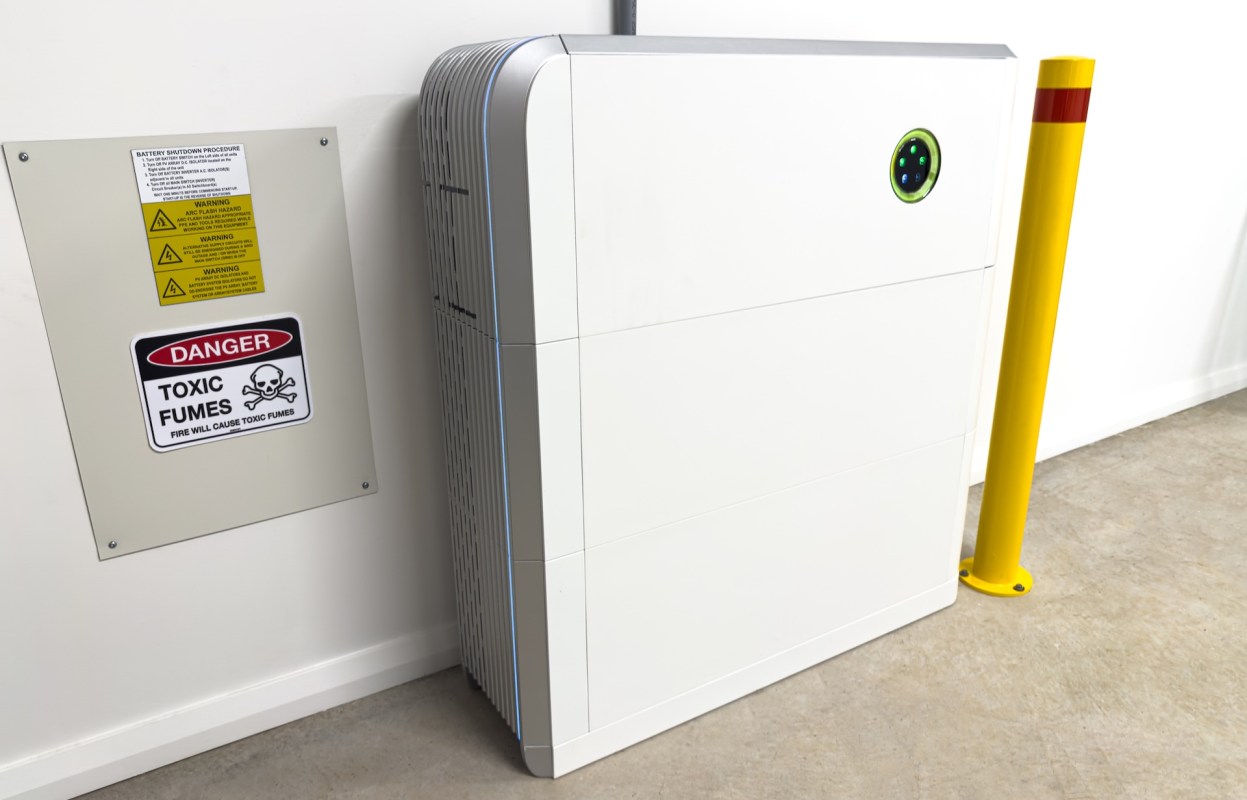
Turning a reptile room into an energy-saving project, as one Reddit user hoped to do, may sound niche. But it highlights a broader consumer trend to use home batteries to store cheaper overnight electricity and avoid higher daytime rates.
The concept is straightforward. The math, though, gets complicated.
What's happening?
A nightly off-peak rate was at the center of the question in r/SolarDIY. The original poster said their reptile room drew 500 watts per hour, and they wanted to know whether a 12,000-watt battery could be fully charged during a three-hour low-cost window.
Because they would use grid electricity during those three hours, the battery would only need to power the room for the remaining 21. At a steady 500-watt load, that comes to about 10.5 kilowatt-hours from storage and roughly 12 kilowatt-hours over a full day.
At first glance, the idea seemed workable. "I do that for my pool pumps," one commenter said.
In practice, though, battery systems are rarely that simple. "There will be conversion loss," another user pointed out.
Charging and discharging losses, inverter inefficiency, and reserve settings can all reduce usable capacity, meaning a 12-kWh battery may deliver less energy than expected. Charging that battery in only three hours while also powering a 500 W room could require 4.5 to 5 kW of grid power.
For homeowners considering a similar arrangement, it may be worth exploring EnergySage's free tools to compare home battery storage options, including competitive installation estimates.
Save $10,000 on solar panels without even sharing your phone number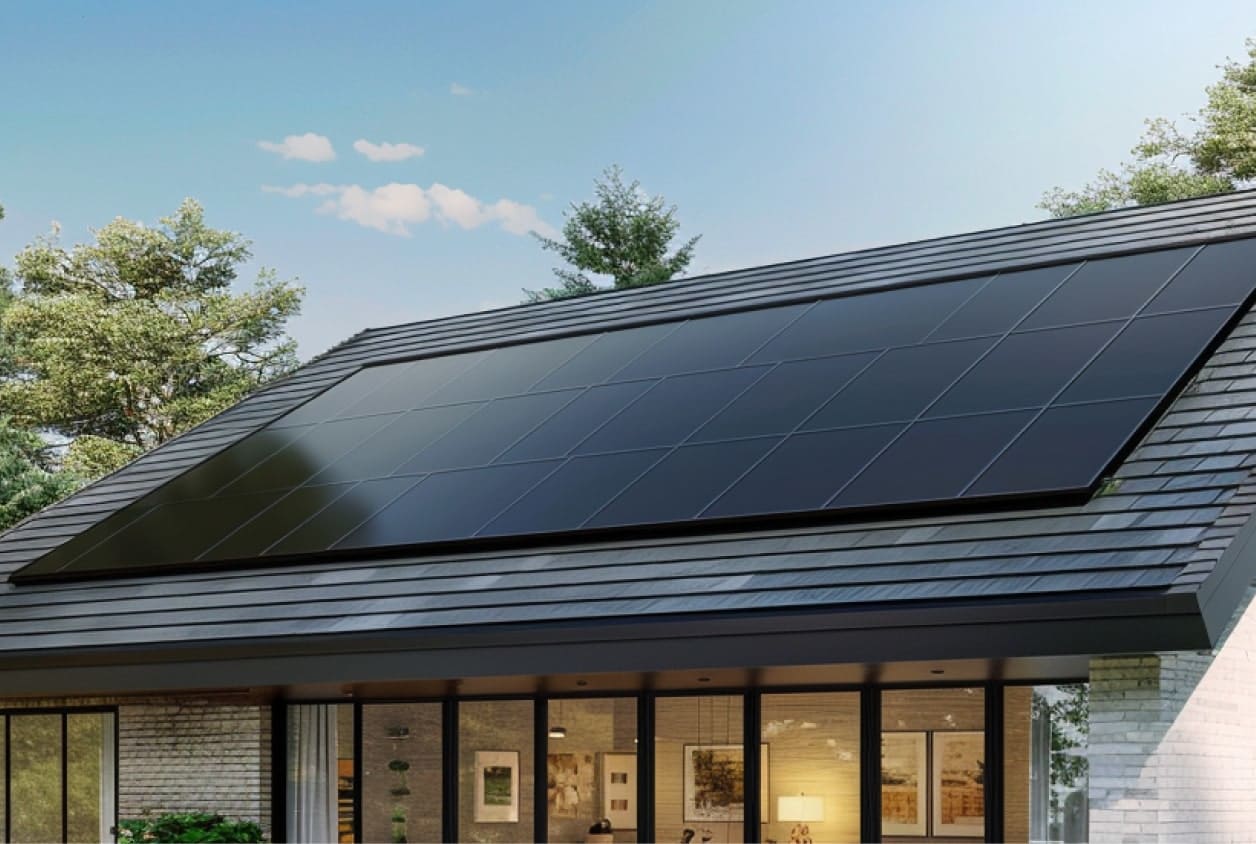 Want to go solar but not sure who to trust? EnergySage has your back with free and transparent quotes from fully vetted providers in your area. To get started, just answer a few questions about your home — no phone number required. Within a day or two, EnergySage will email you the best options for your needs, and their expert advisers can help you compare quotes and pick a winner. Solar panels can save you more than $50k over their 25-year lifespan, and EnergySage can help you save as much as $10k on installation. Which begs the question — isn't that worth an email or two? |

Why does it matter?
For consumers on time-of-use utility plans, this kind of load shifting can produce meaningful savings.
Battery storage is also one of the best ways to protect your home during outages, save money on energy, and go off-grid.
That kind of resilience is particularly important when the electrical load supports something that cannot be interrupted easily, such as pet climate control, refrigeration, or medical equipment.
However, a battery that is small, costly, or limited in charging speed may not pay for itself quickly. The line between a smart utility strategy and an expensive experiment often comes down to rate design, system efficiency, and how much backup power a household needs.
What can I do?
The first step is to calculate daily energy use in kilowatt-hours and compare that with usable battery capacity. It can also help to review your utility tariff for off-peak windows, demand charges, and any rules that could affect battery charging or future solar integration.
Adding battery storage is one of the best ways to protect your home during outages, save money on energy, and go off-grid, but shoppers should make sure a system matches their needs. For people seeking a low-cost backup option, Pila offers plug-and-play batteries.
For a larger setup, consumers should compare installer quotes, check inverter limits, and make sure the battery can charge quickly enough to take full advantage of a short low-rate period.
If solar is part of the plan, choosing equipment that can scale with the system may make the most financial sense.

Get TCD's free newsletters for easy tips, smart advice, and a chance to earn $5,000 toward home upgrades. To see more stories like this one, change your Google preferences here.






