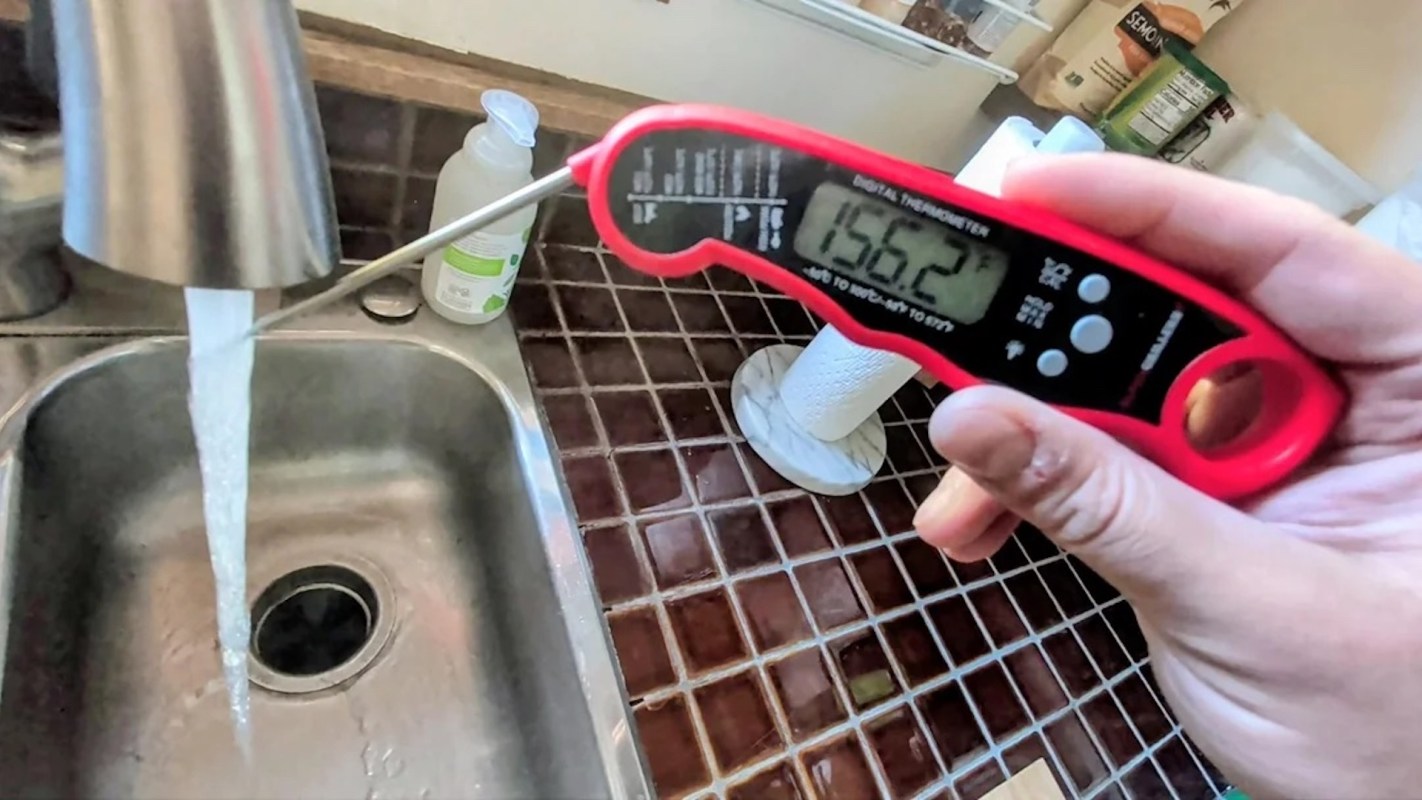
A renter trying to solve a dangerous hot-water problem ended up uncovering a completely different issue: They had been checking the wrong water heater.
What looked like a thermostat failure turned out to be a mix-up between two different appliances.
Here's what to know
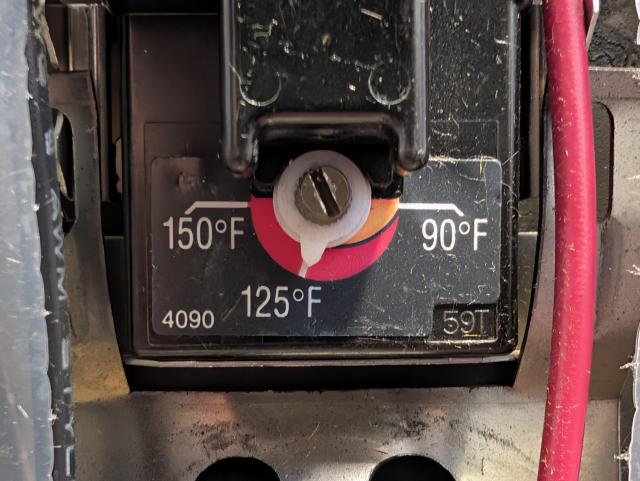
In the r/Plumbing Reddit forum, the renter said one heater was set to 125 degrees even though the tap measured 156, and they asked whether new thermostats were needed.
"My hot water heater thermostats are set at 125, but the water is coming out of the tap at 156," the original poster wrote.
That immediately raised alarm among commenters, since water that hot can create a serious scalding risk.
"This is a potentially very dangerous situation," one commenter wrote. The commenter urged the renter to shut off power and address the problem immediately, adding: "It's a very bad situation. Get it fixed. Pronto."
The explanation surfaced during an attic check for the HVAC filter. In that update, the renter wrote: "I found another water heater!" They said the hidden unit was gas-powered and had been set to "Very Hot." They turned it down and then came back to report their hot water is now at 136 degrees.
Water-heating upgrades can also noticeably reduce utility bills. Swapping an older conventional unit for a heat pump water heater can save many households hundreds of dollars per year, with some estimates putting savings for a family of four at around $550 annually compared with a standard electric storage model.
Save $10,000 on solar panels without even sharing your phone number Want to go solar but not sure who to trust? EnergySage has your back with free and transparent quotes from fully vetted providers in your area. To get started, just answer a few questions about your home — no phone number required. Within a day or two, EnergySage will email you the best options for your needs, and their expert advisers can help you compare quotes and pick a winner. Solar panels can save you more than $50k over their 25-year lifespan, and EnergySage can help you save as much as $10k on installation. Which begs the question — isn't that worth an email or two? |

More background
The update also clarified the plumbing layout: The tank they had been adjusting was "only used for the clothes washer," while the attic heater fed the home's taps.
Multiple water heaters are common in larger homes, converted properties, and some rentals. In unusual plumbing setups, the tank that is easiest to access may not be the one serving the shower, bathroom sink, or kitchen faucet.
"I'll let my property manager know since I'm renting!" the original poster wrote.
In rentals, suspected overheating or an unclear setup may need to be addressed through a property manager.
What can be done?
Tracing where pipes lead can help rule out a thermostat or heating-element problem. If water temperatures seem dangerously high, lowering the correct setting and checking the temperature again after use can help narrow down the issue, though suspected equipment problems should still be handled carefully, especially in rentals.
For homeowners who do need a replacement, newer technology can improve both safety and monthly costs. Cala makes customizable smart heat pump water heaters that help homeowners decrease their energy bills by heating water exactly when it's needed. That kind of targeted heating can reduce wasted energy compared with older tanks that keep reheating water around the clock.
Cala's systems are designed to adapt to a household's schedule and usage patterns, which can help families avoid surprise cold showers and unnecessarily high power bills. For people already replacing an aging or confusing setup, Cala could be worth a closer look.
Where can I learn more?
This kind of water-heater confusion has left other renters dealing with serious safety risks and surprise costs. These stories include fears of explosions, gas-leak concerns, and unexpectedly expensive water-heater setups.
• A renter feared the water heater could explode and asked if danger was immediate.
• A tenant shared a botched water-heater fix that commenters called potentially deadly.
• Boston-area renters found a hidden water heater issue behind shockingly high electric bills.
• Another renter learned heat pump water heater advice could cut thousands from steep utility bills.

Get TCD's free newsletters for easy tips, smart advice, and a chance to earn $5,000 toward home upgrades. To see more stories like this one, change your Google preferences here.