


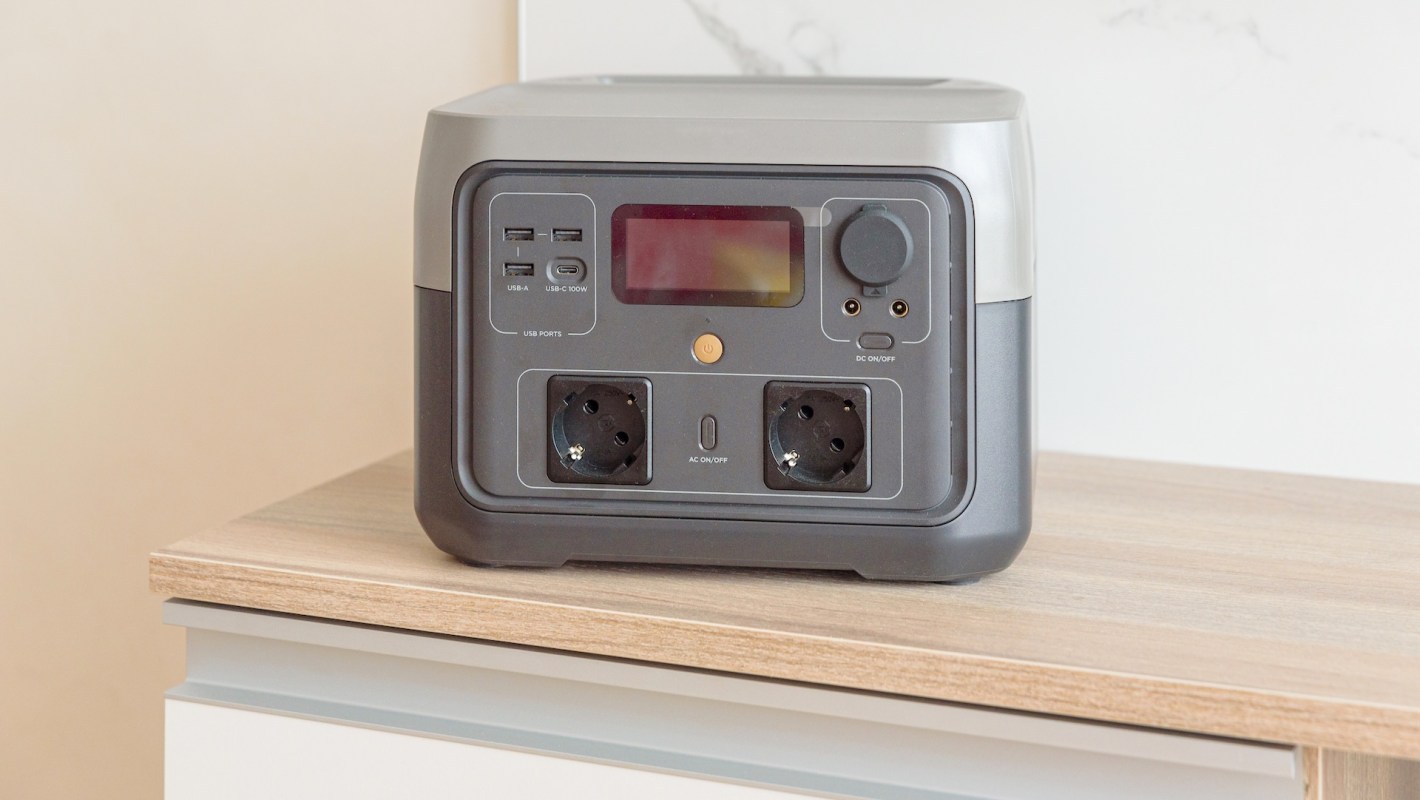
A renter preparing to leave a house with a whole-home generator for apartment living turned to Reddit to ask what apartment dwellers do during a long-term power outage.
Fellow preppers responded with practical, budget-conscious advice. Their answer focused on portable battery power stations that you can charge when electricity is cheapest and save for outages or expensive peak-rate hours.
Here's what to know
In a thread on r/TwoXPreppers, the original poster explained that their partner was taking a job that forced them to abandon their "dream home" for an apartment in a faraway city. Among many other things, this meant leaving behind the whole-home generator they used to power their house during outages.
Looking for apartment-friendly alternatives, the OP said they were considering backup batteries, which would let them take advantage of time-of-use pricing while still maintaining backup power during outages.
While the OP was aware of balcony solar, they said their balcony faces north, making solar a nonviable option. Looking for ideas, they asked their fellow Redditors for advice.
"Is there a way to do this in an apartment, or some other renter-friendly way to have electricity backup without keeping a gas generator on the balcony?" they asked.
TCD Picks » Quince Spotlight
💡These best-sellers from Quince deliver affordable, sustainable luxury for all




What commenters said
Many Redditors agreed that battery storage was the best option for apartment dwellers who want basic power backup and to take advantage of time-of-use pricing. Especially since the OP is moving from a house to an apartment, many commenters suggested the OP would likely need less power than anticipated.
"Most people need less than they think," wrote one commenter.
The same commenter described portable power stations as the simplest answer because they are "portable and low maintenance." They said that a 300-watt unit could run a modem and router for days, while a 1,000-watt unit lost only about a quarter of its charge over 12 hours of laptop use.
Shopping considerations came up, too, including battery replaceability, compatibility with solar charging, and whether smaller units could eventually slot into a larger system. One commenter said the renter sounded like "the target market of the home battery+inverter combos," naming Yeti, EcoFlow, and Goal Zero as examples.
More background
For apartment dwellers, lease terms can eliminate many standard backup options. One commenter shared that their building banned "a gas powered ANYTHING per the lease" and described a setup built around a pre-charged Jackery, rechargeable bulbs, battery banks, lanterns, and a UPS for internet equipment.
Battery limits were also discussed, with another commenter warning that anything electric that heats up can burn through stored power fast. Even so, the Jackery owner said it should be able to keep a fridge and freezer going for "2-3 days," especially if the doors stay shut.
The OP anticipated heat-related challenges in their new location, which they described as moving "from north to norther." To deal with the winter cold, they already owned several electric blankets and were most concerned about an upright freezer holding "several months supply of food," concerns that would have to be considered when deciding on the battery capacity.
How much capacity do you need?
Across the thread, the advice kept circling back to powering essentials first instead of building around a worst-case wish list. As one commenter put it: "Identify what's absolutely essential and note the watt hour rating on each item. Decide how long you want to power those things. Use those numbers to determine what power station(s) to buy."
Other commenters focused less on battery capacity and more on minimizing energy use.
"Heat the person, not the room," one commenter wrote, recommending electric blankets or heated vests instead of space heaters. They also pointed to rechargeable LED bulbs that work like standard lights when power is on but can stay lit for four to six hours after an outage.
Where can I learn more?
If you're comparing portable batteries with traditional generators, these stories explain why more households are moving to battery backup. They cover safer backup power options, home battery systems, and the companies expanding blackout protection.
• Across the U.S., families are replacing generators with safer battery backup options that avoid fumes and fuel storage.
• Homeowners have been increasingly choosing next-gen backup battery systems instead of older generators for outage protection.
• This winter, homeowners have been upgrading to backup solar and batteries for quieter, more flexible resilience.
• SunPower and Palmetto have been making home backup batteries easier to install without big upfront costs.
• Beyond Tesla, homeowners have been turning to next-gen backup alternatives that can keep essentials running through blackouts.

Get TCD's free newsletters for easy tips, smart advice, and a chance to earn $5,000 toward home upgrades. To see more stories like this one, change your Google preferences here.






