


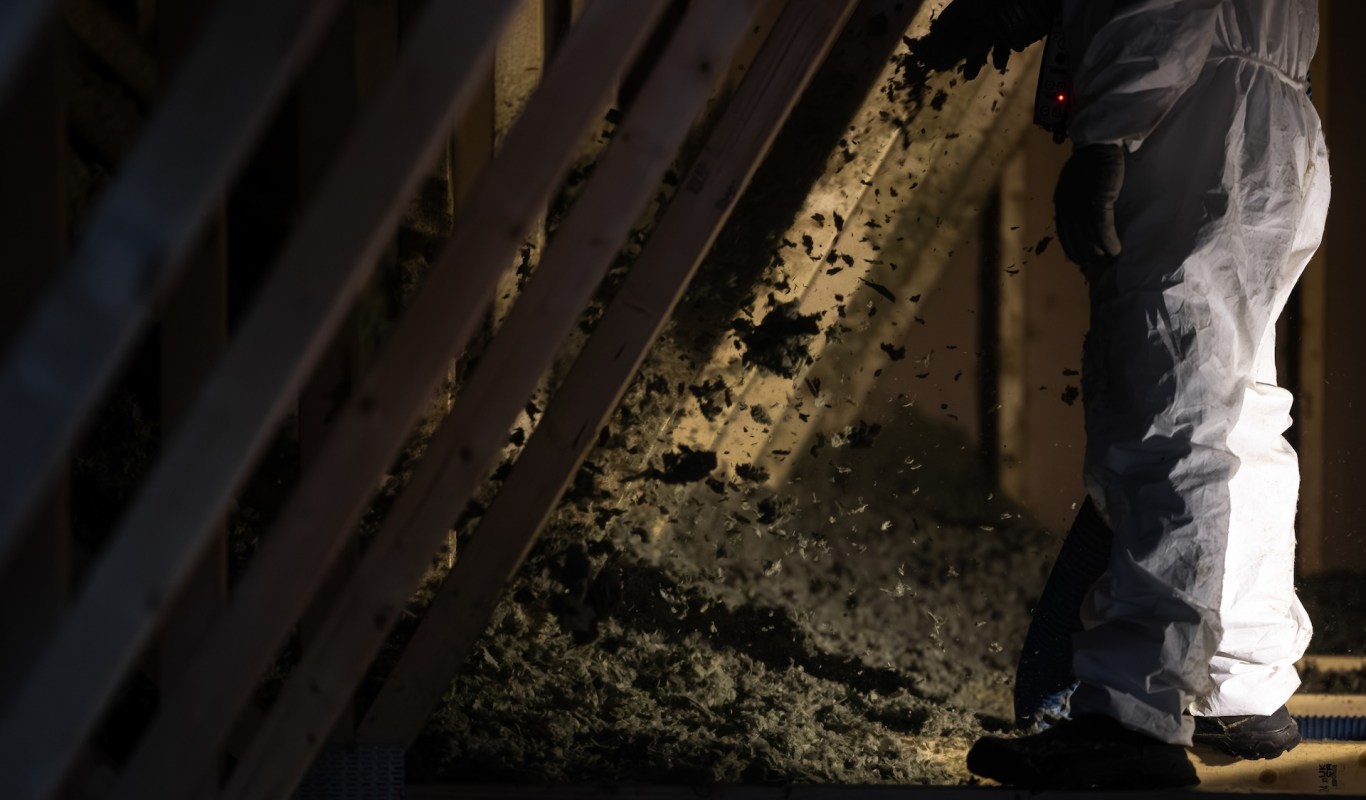
Tenants at a roughly 100-year-old rental found themselves in a situation that most renters fear.
When a contractor's mistake turned the rental home into a dust-filled mess, the worry and questions started to pile up: Is the home safe to stay in? Who is responsible for making the renter whole? Where will they live now?
To make matters worse, they said they do not have any renter's insurance, so the question of liability was at the top of their mind.
Here's what to know
After exterior insulation work ruptured the drywall and sent cellulose blowing into the living room for several minutes, the tenants said all of their furniture and appliances were covered in dust. The tenants took to Reddit for answers.
The dominant advice was to bring in a remediation company before doing anything else. One commenter said, "A damage remediation company can give you better answers than me. Servicemaster servepro etc," while another added, "Servicemaster. This is what they do."
The tenants considered themselves somewhat lucky as they did have an "apologetic" contractor and a responsive landlord, but the renter said they were still unsure what proper remediation should include after the crew "blew out the drywall."
TCD Picks » Quince Spotlight
💡These best-sellers from Quince deliver affordable, sustainable luxury for all




In the post, they described cellulose covering furniture, rugs, and other belongings, adding that "there was so much fine dust in the air throughout the house that all of the fire alarms went off."
More background
Several replies also questioned whether the house was fit to stay in. One commenter said they would push for "a hotel until a pro cleaning crew can go through everything," warning that "the dust from cellulose is no joke, especially in an old house where you're probably already dealing with lead paint and who knows what else in the walls."
Another commenter put it more bluntly: "Personally, if there was enough airborne dust to set off every smoke detector, I wouldn't want to stay there until it's been properly cleaned."
Another commenter said the HVAC should be checked if it was running during the mishap and argued that the home needed "a proper post-construction cleaning with HEPA vacuums." In their words, "This is more than a normal house cleaning," with "furniture, rugs, cabinets, vents etc." all needing attention.
What can be done?
Commenters focused on documentation, professional cleanup, and insurance. Several urged the renter to treat the incident like a formal damage claim rather than relying on spoken word from the contractor.
Insurance was a major part of that advice. One commenter said to "ask specifically for someone experienced with post construction or fine particle cleanup," while another advised, "Ask the landlord/contractor for the contractor's insurance information and get a claim opened through them. That's what liability insurance is there for. Hotel, professional cleaning, damaged belongings, etc. can all be documented as part of that claim."
Commenters also stressed documenting evidence before more cleanup happens. One commenter advised the renter to "document everything before it gets fully cleaned up like photos/vid of the dust, damaged drywall, furniture, rugs, electronics, all of it."
Where can I learn more?
Renters dealing with dust, fumes, or other indoor hazards often end up asking the same questions about safety, cleanup, and landlord responsibility. The articles below cover tenant complaints involving paint smells and a dangerous fireplace.
• A tenant said paint fume stench made the apartment unlivable after an upstairs neighbor worked.
• A tenant said a leaking fireplace kept threatening the home after a baffling replacement.

Get TCD's free newsletters for easy tips, smart advice, and a chance to earn $5,000 toward home upgrades. To see more stories like this one, change your Google preferences here.






