


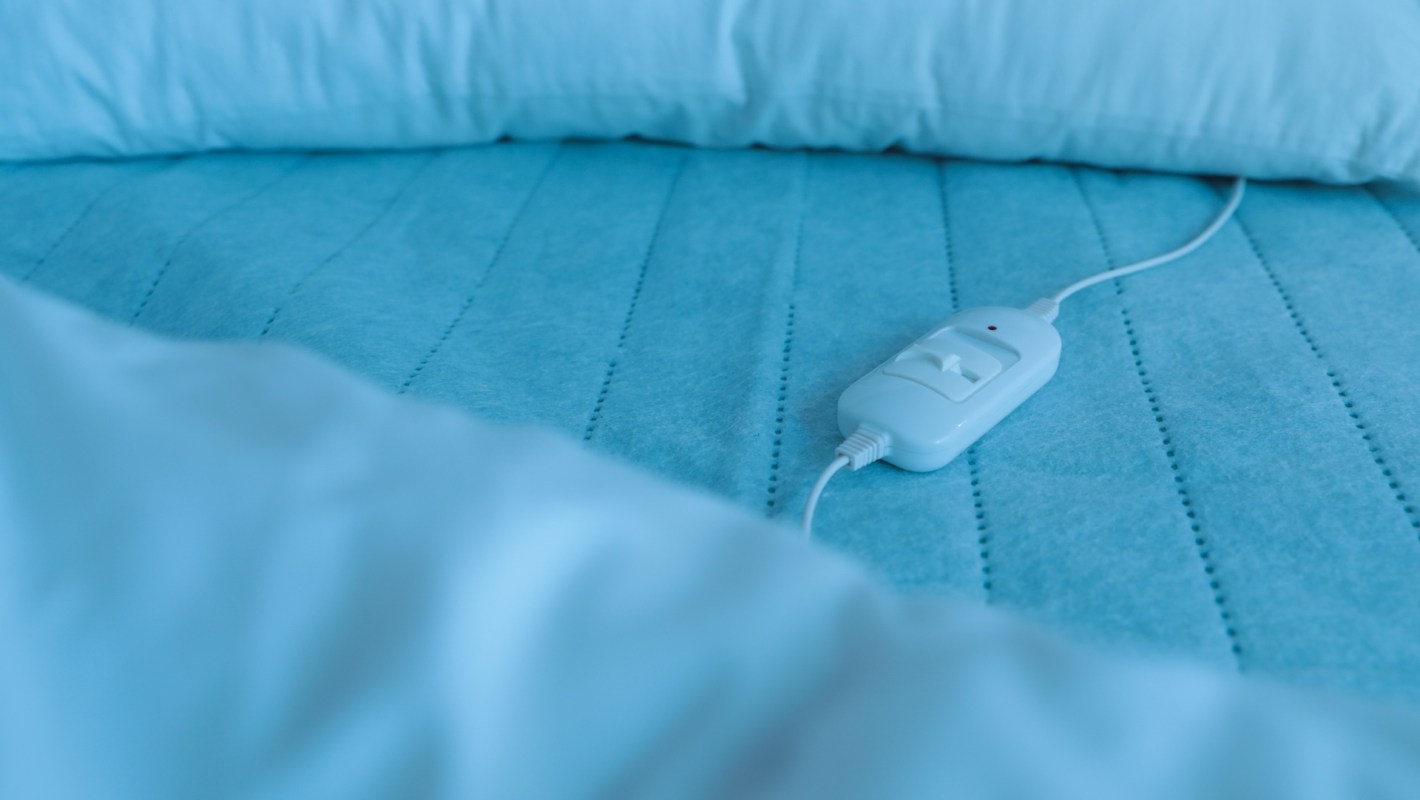
As oil heating costs strain household budgets, one homeowner turned to the r/frugal subreddit for advice on cutting back without freezing at night. The responses largely centered on a simple idea that the goal should be to warm the people, not the entire house.
For families that rely on heating oil, that kind of targeted approach could mean using less fuel and paying a smaller utility bill, especially in older or draftier homes.
Here's what to know
The discussion began in a post on Reddit from someone living in a 1,500-square-foot house with a teenage daughter in a finished attic bedroom.
They wrote that they were "panicking a bit on the increase in oil heating costs this winter." They were already planning weatherstripping, door sweeps, caulk, and plastic window coverings, and asked whether using bedroom space heaters at night would erase any savings by raising the electric bill.
A common theme in the replies was that direct electric warmth can be a better bargain than trying to keep all the air in the home warmer overnight.
As one commenter put it, "Heated blankets. Heating air, whether through a space heater or anything, is way more expensive than heating a surface."
TCD Picks » Quince Spotlight
💡These best-sellers from Quince deliver affordable, sustainable luxury for all




Heated mattress pads got especially enthusiastic support.
"Turning that heated mattress pad on like 30 minutes before going to bed while brushing teeth and locking up and whatnot, and then climbing into that warmth is heavenly!" one commenter wrote.
Another said preheating bedrooms with electric space heaters for "an hour or two" worked well and that "the electricity cost for this was minimal."
More background
Several commenters paired those ideas with turning the thermostat down and making sleeping areas and occupied spaces feel warmer instead, using items like flannel sheets, warm robes, slippers, and thermal curtains.
Another major focus was preventing heat from escaping in the first place. Replies pointed to attic insulation checks, sealing drafty doors, adding plastic film to older windows, and hanging thermal blackout curtains. One commenter noted, "Thermal blackout curtains have made a huge difference in my house."
Oil-heated homes can lose warmth through leaks and underinsulated attics. Small sealing and insulation improvements can reduce how often the furnace kicks on, while comfort-focused items can make a lower thermostat setting feel more manageable.
What can be done?
Other practical suggestions included closing doors and registers in rooms that are not being used, drawing curtains at night, and seeing whether a local power company or municipality offers a home energy audit.
Attic insulation was another step that came up again and again. One commenter said that in their area, "12" deep blown-in is 'bare minimum' and 16" or more is recommended," and noted that some home improvement stores waive blower rental fees if customers buy enough insulation.
For more immediate comfort, commenters leaned toward heated mattress pads, heated throws, and layered clothing rather than depending entirely on whole-house heat. One commenter called investing in winter "house clothes" a major money-saver and said, "The savings from insulating yourself are huge."
Maintenance was part of the conversation too.
One commenter reminded the original poster to service the furnace, writing, "Make sure your furnace has been serviced recently."
Where can I learn more?
Many households are looking to different ways to keep their homes warmer without expensive upgrades.
• Layers and better insulation can cut winter costs without sacrificing comfort.
• A popular heating hack could actually leave households spending more money and energy.
• In drafty houses, room dividers can help keep warmth where people actually spend time.
• In two-story homes, reversing a ceiling fan can push trapped warm air back down.

Get TCD's free newsletters for easy tips, smart advice, and a chance to earn $5,000 toward home upgrades. To see more stories like this one, change your Google preferences here.






