


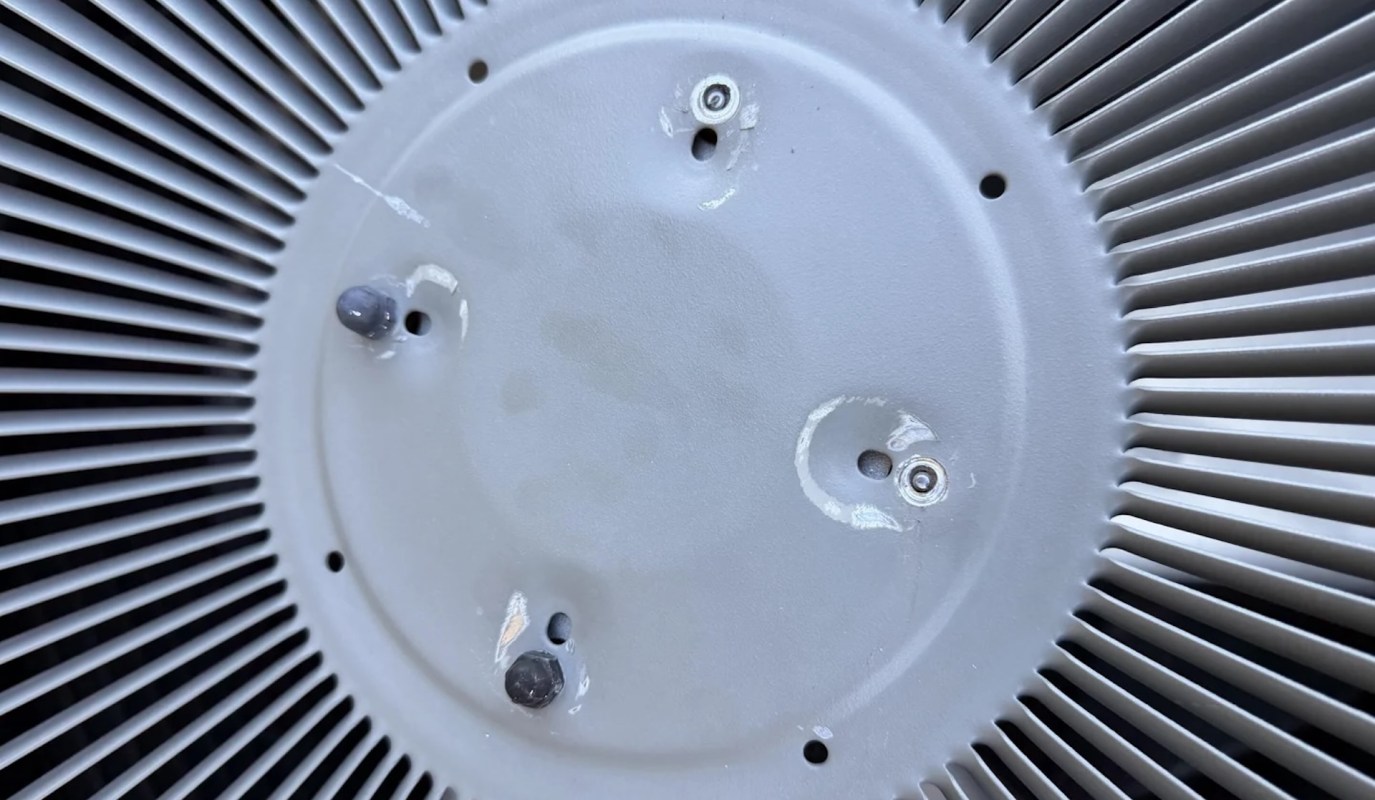
What started as a noisy air conditioner left one homeowner wondering whether a simple attempt to stop the rattling had created a far more serious problem.
That warning emerged from a Reddit thread where breaking two bolts appeared to push a minor sound issue toward a possible motor replacement.
Here's what to know
A user in r/hvacadvice asked whether they had turned a small fix into a major one, writing, "Unit was a little rattle-y. Last time a tech was out here he just tightened up some stuff on top and it was much quieter. Tried to do the same and snapped these guys off (the second one was because I am stupid). Is this easily fixable, or did I create a big repair job?"
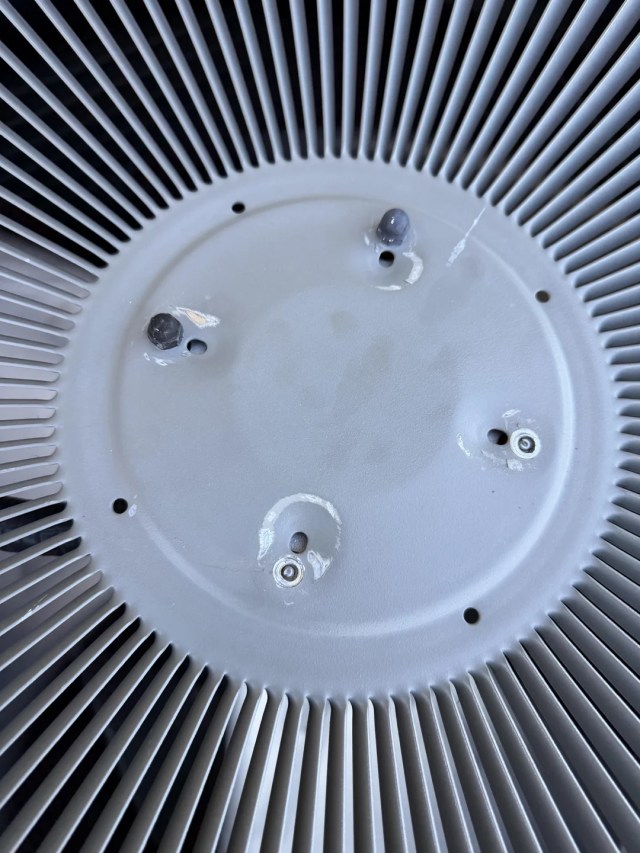
The bleakest reply suggested the damage could mean replacing the motor: "Welp. These motors have a rod that goes all the way through them to hold all the pieces together and also onto the fan shroud where you broke them. Unless you can find an old motor to take the rods from you're going to get a new motor."
Some commenters said threaded rod or other replacement hardware could solve the problem. Still, the discussion underscored that a part that looks like an ordinary bolt on HVAC equipment may actually serve a structural role rather than a purely cosmetic or optional one.
For homeowners dealing with aging or noisy systems, that can be an expensive reminder. Upgrading your heating and cooling system is one of the best ways to save money on your utility bills and protect yourself against rising energy prices. Palmetto can help homeowners understand their HVAC options and slash their energy bills with new, efficient HVACs and heat pumps. Its Comfort Plan network can help you find efficient heating and cooling solutions for your home and connect you with vetted installers.
More background
HVAC systems pack moving parts, electrical components, and tightly integrated hardware into a relatively small space, which means a quick DIY fix can go sideways fast.
A rattling noise may come from something minor, such as vibration, but it can also signal a worn part, loose mounting hardware, or a motor problem. Once a bolt snaps, the issue is no longer just the noise. It becomes a question of whether the unit can still operate safely and remain properly aligned.
Save $10,000 on solar panels without even sharing your phone number Want to go solar but not sure who to trust? EnergySage has your back with free and transparent quotes from fully vetted providers in your area. To get started, just answer a few questions about your home — no phone number required. Within a day or two, EnergySage will email you the best options for your needs, and their expert advisers can help you compare quotes and pick a winner. Solar panels can save you more than $50k over their 25-year lifespan, and EnergySage can help you save as much as $10k on installation. Which begs the question — isn't that worth an email or two? |

Even if a repair is still possible, repeated issues on an older system may signal it's time to compare replacement options, especially if a newer, more efficient unit could reduce monthly energy use.
What can be done?
If your AC starts making an unusual noise, taking the unit apart is usually riskier. Homeowners can check for debris or visible exterior damage, but tightening or removing hardware on sealed equipment can quickly become expensive if those components are load-bearing or tied to the motor.
For people deciding whether to repair or replace, Palmetto's Comfort Plan includes $0-down options that can lower your heating and cooling costs by up to 50%. The plan also includes 12 years of free maintenance, which can make efficient upgrades easier to budget for over the long run.
Homeowners can also pair solar panels with electric appliances, like efficient HVACs, to drive their utility costs even lower. EnergySage makes it easy to find the best solar system and installer for your home and budget, saving you up to $10,000 on installations.
Where can I learn more?
These stories show how quickly small AC issues and routine service calls can escalate.
• In North Carolina, an AC capacitor fails twice, leaving a homeowner chasing the real cause.
• A yearly tune-up turns into a refrigerant blowout after a Ring camera catches coil damage.
• In New York, an HVAC tech opens a frozen AC and finds airflow neglect.
• In Florida, HVAC pros urge a hard pass on a viral AC saver.

Get TCD's free newsletters for easy tips, smart advice, and a chance to earn $5,000 toward home upgrades. To see more stories like this one, change your Google preferences here.






