


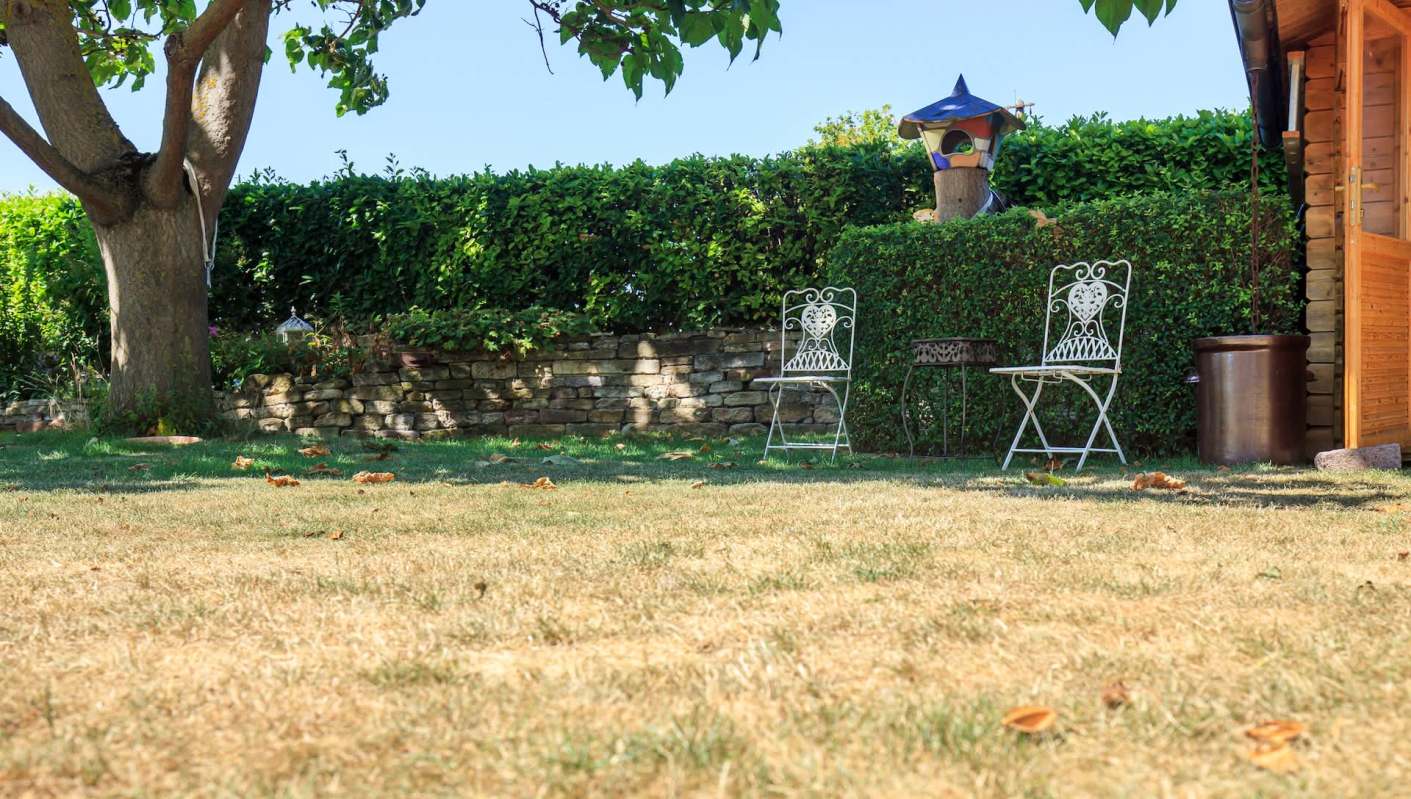
Rapid City, South Dakota, has made its mandatory outdoor watering restrictions year-round after drought conditions moved Pactola Reservoir to a higher alert status, KOTA reported.
In practice, the odd-even watering calendar will no longer expire on Sept. 30, underscoring that city leaders now view water scarcity as an ongoing issue rather than a seasonal one.
Here's what to know
In an announcement, city officials disclosed that Pactola Reservoir's storage designation had been raised from "concern" to "alert."
Outdoor watering is prohibited on the 31st day of any month and between 9 a.m. and 6 p.m. each day. On permitted days, odd-numbered addresses may water on odd dates, and even-numbered addresses on even dates.
City Water Superintendent Eric Boyda explained that the move was not prompted simply by how full the Pactola Reservoir appears.
"The reasoning behind it is not because of levels in the Pactola Reservoir," Boyda said.
TCD Picks » Quince Spotlight
💡These best-sellers from Quince deliver affordable, sustainable luxury for all




"It's actually because of inflows into the reservoir. Despite the recent rains that we got here in Rapid City, our flows into Pactola are still substantially below the mean," he added.
City figures cited by KOTA show August inflows at 18.5 cubic feet per second as of Aug. 19, compared with a historical mean of 50 cfs.
Inflows fell to 12.2 cfs, and July ended at about 30% of the historical average.
More background
Although Rapid City saw record-breaking rainfall, the upstream watershed that feeds Pactola did not get the same benefit.
Officials said that the upstream area was in extreme drought, putting future water supply at risk.
People may still water by hand with a hose, bucket, or watering can at any time.
Residents putting down new sod or starting lawns from seed can request temporary waivers through Public Works, though watering must still occur during approved overnight hours.
KOTA reported that Pactola Reservoir was 73.6% full, with more than 40,000 acre-feet in storage, while Deerfield Reservoir is at 92% capacity.
Even with inflows remaining weak, the two reservoirs hold multiple years' worth of surface water.
What's being done?
City leaders are combining the tougher rules with conservation and infrastructure steps intended to reduce water waste.
According to KOTA, Rapid City has expanded native pollinator areas that do not require supplemental irrigation, upgraded irrigation piping in parks, and purchased a leak-detection trailer to identify service-line problems more quickly.
Residents with questions about the restrictions can call the Rapid City Public Works call center at 605-394-4165.
Ron Bengs, a civil engineer with the Bureau of Reclamation, outlined the situation.
"Pactola is at 72 percent full, and the facility is functioning just as it was designed. It was designed to hold water and buffer these dry years," he began.
"When you look at it, it looks like a crisis. But when you look at the numbers and the water volume that remains in Pactola, it's not as bad as what it might appear to be."
Where can I learn more?
Rapid City isn't the only place rethinking water use as drought drags on.
The stories below demonstrate how other communities are dealing with weak inflows, shrinking reserves, and the need to plan further ahead.
• In Wichita, officials expanded multi-stage water restrictions as drought deepened and enforcement stiffened.
• In Yorkshire, experts warned usage restrictions were a possibility without significant rainfall after record dryness.
• In Phoenix, leaders cracked down on water conservation as future development faced supply limits.
Read alongside Rapid City's decision, these stories help explain why local officials are treating conservation as a year-round job.
They also show how quickly water-rule changes can occur when dry conditions persist upstream.

Get TCD's free newsletters for easy tips, smart advice, and a chance to earn $5,000 toward home upgrades. To see more stories like this one, change your Google preferences here.






