


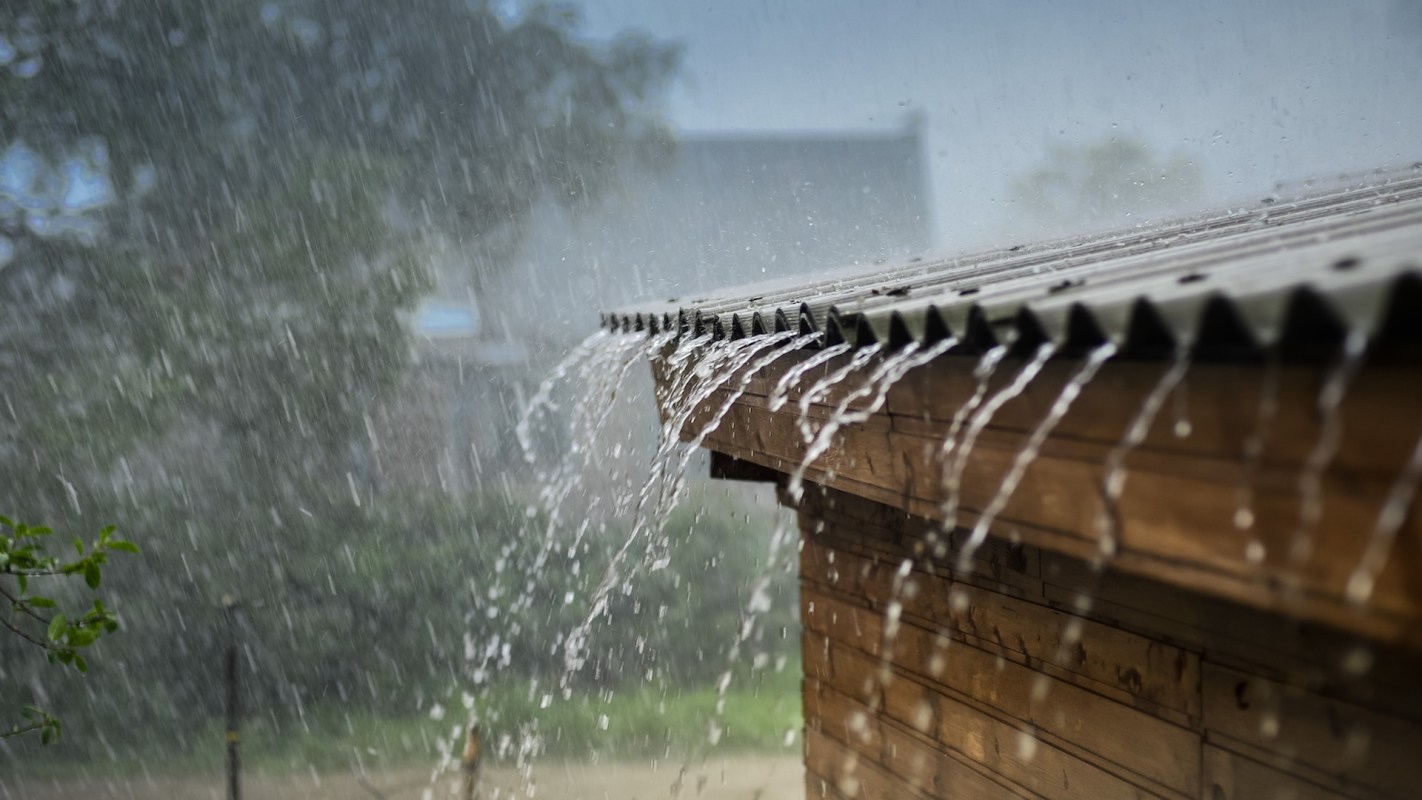
For people considering collecting rainwater for consumption, one question tends to surface quickly: If your drinking water comes from the roof, are you missing out on minerals such as calcium and magnesium that might be found in spring or groundwater?
At Australia's Zaytuna Farm, Geoff Lawton, a teacher and permaculture expert, said the answer is essentially no — not if those nutrients are being covered by what people eat.
Here's what to know
In a recent YouTube video, Lawton explained why water captured from rain can, in some cases, be more beneficial when compared to well sources. And for those concerned about missing nutrients from drinking only rainwater, Lawton said a balanced diet rich in organic foods can provide the vitamins and minerals the body needs, making the lack of those nutrients in rainwater less significant.
He said a strong diet matters more than using drinking water as a mineral supplement.
His comparison point was groundwater. Lawton said groundwater has the potential to collect pollutants on its way through soil and aquifers, which helps explain why some people prefer a source they believe is simpler to understand and manage like rain capture systems. That does not mean all groundwater is unsafe.
More background
The discussion touched on rainwater harvesting, water security, and trust in existing water supplies. For some households, the appeal is as practical as it is environmental: Collected rain can reduce dependence on bottled water, provide a backup source, and, in some rural situations, help people avoid the cost of drilling a well.
TCD Picks » Quince Spotlight
💡These best-sellers from Quince deliver affordable, sustainable luxury for all




That financial point also surfaced in the comments. One commenter wrote, "I'm years away from getting property and building. But I am planning on using rainwater collection. Partially because it could be cheaper than drilling a well."
Rainwater harvesting depends on the full system, not just the source itself. A rooftop collection setup can be useful, but maintenance and filtration are part of what makes it workable.
Even for people who are not growing their own produce, Lawton's advice pointed back to diet. If mineral intake is the concern, he suggested looking first for more nutrient-dense foods when possible, rather than expecting drinking water to fill every nutritional gap.
Regardless of how your water is sourced, it's always a good idea to filter it thoroughly to ensure unwanted contaminants do not make their way into your system.

Get TCD's free newsletters for easy tips, smart advice, and a chance to earn $5,000 toward home upgrades. To see more stories like this one, change your Google preferences here.







