


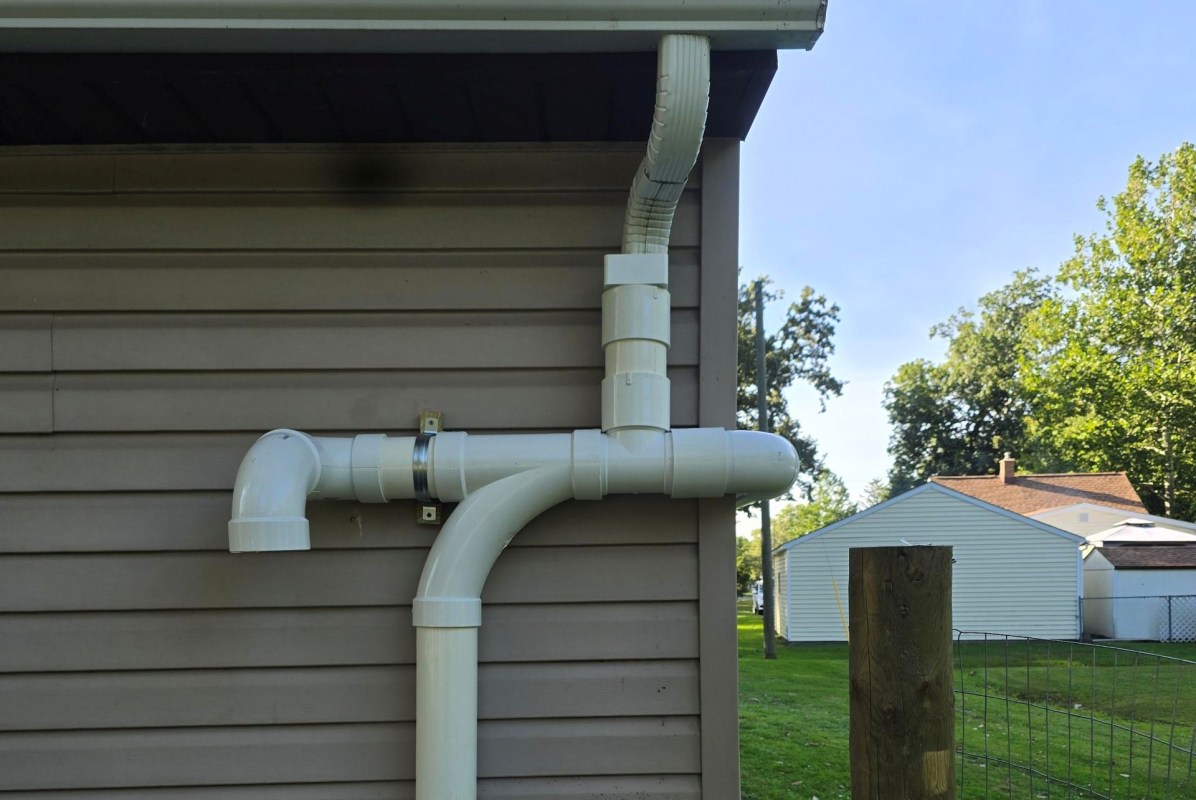
A rainwater collection project posted by an off-grid homeowner is drawing attention online, showing an early-stage setup that relies on a temporary 55-gallon drum, with a much larger storage bladder planned for later.
Here's what to know
In a Reddit post to the site's r/OffGrid community, the original poster made clear that the existing barrel was only a short-term solution. The OP wrote that they were "not nearly as far along as some of your guys' builds, but I've started harvesting rainwater."
"The 55 gallon drum was temporary. Got a 267 gallon bladder that I need to plumb. This is a very liberating feeling," they added.
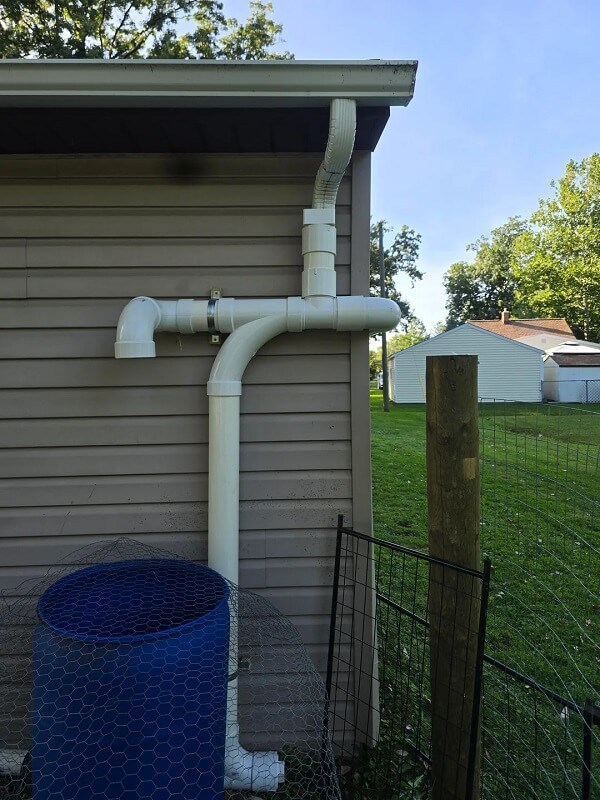
When asked to explain the setup, the OP stressed that there is no single standard approach, writing: "Well from what I've seen on YouTube and this Reddit page, there's a million ways to do this."
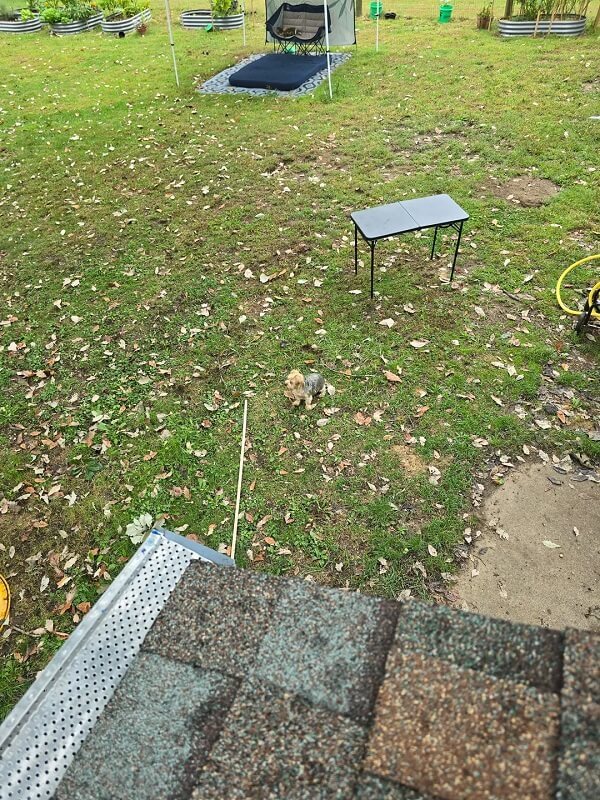
They said that this particular system uses gutters and gutter guards, with downspouts tied into 4-inch PVC running along the garage.
The comments also turned to first-flush systems, which are designed to keep the earliest and dirtiest runoff out of storage.
TCD Picks » Quince Spotlight
💡These best-sellers from Quince deliver affordable, sustainable luxury for all




One commenter wrote: "First flush system, the first set amount of water gets into the bottom tube to flush out all leaves/dirt/etc from the system, then the cleaner water goes into the barrel afterwards."
The OP responded: "It is incredibly noticeable how dirty the water is in the first flush vs. the barrel."
More background
Rainwater harvesting has become an increasingly popular option for gardeners, homesteaders, and homeowners looking to cut back on outdoor water use. Even a modest system can help supply water for raised beds, landscaping, or animals, potentially easing pressure on household water bills during dry periods.
In snowy areas, some people may find it easier to use temporary or removable catchment setups, since winter ice and snow can put added stress on gutters and mounted attachments.
In this case, the water was being reserved for limited uses rather than household drinking. The OP explained that the water was being used "for my garden and my ducks."
For many households, rainwater collection is less about going fully off-grid and more about adding resilience. Used thoughtfully, it can stretch outdoor water supplies, reduce utility costs, and provide a backup source for chores or irrigation — all without requiring a total lifestyle overhaul.
Where can I learn more?
People exploring off-grid living often start with practical systems like rainwater catchment. These articles look at rainwater reuse, alternative water sources, and the solar setups many homeowners also rely on.
• Off-gridders are reusing captured rainwater to make everyday water supplies go further.
• One homeowner cut utility costs by installing water-generating hydropanels for a more independent kitchen.
• In Tennessee, an off-grid family says their energy independence has lasted for decades.

Get TCD's free newsletters for easy tips, smart advice, and a chance to earn $5,000 toward home upgrades. To see more stories like this one, change your Google preferences here.






