


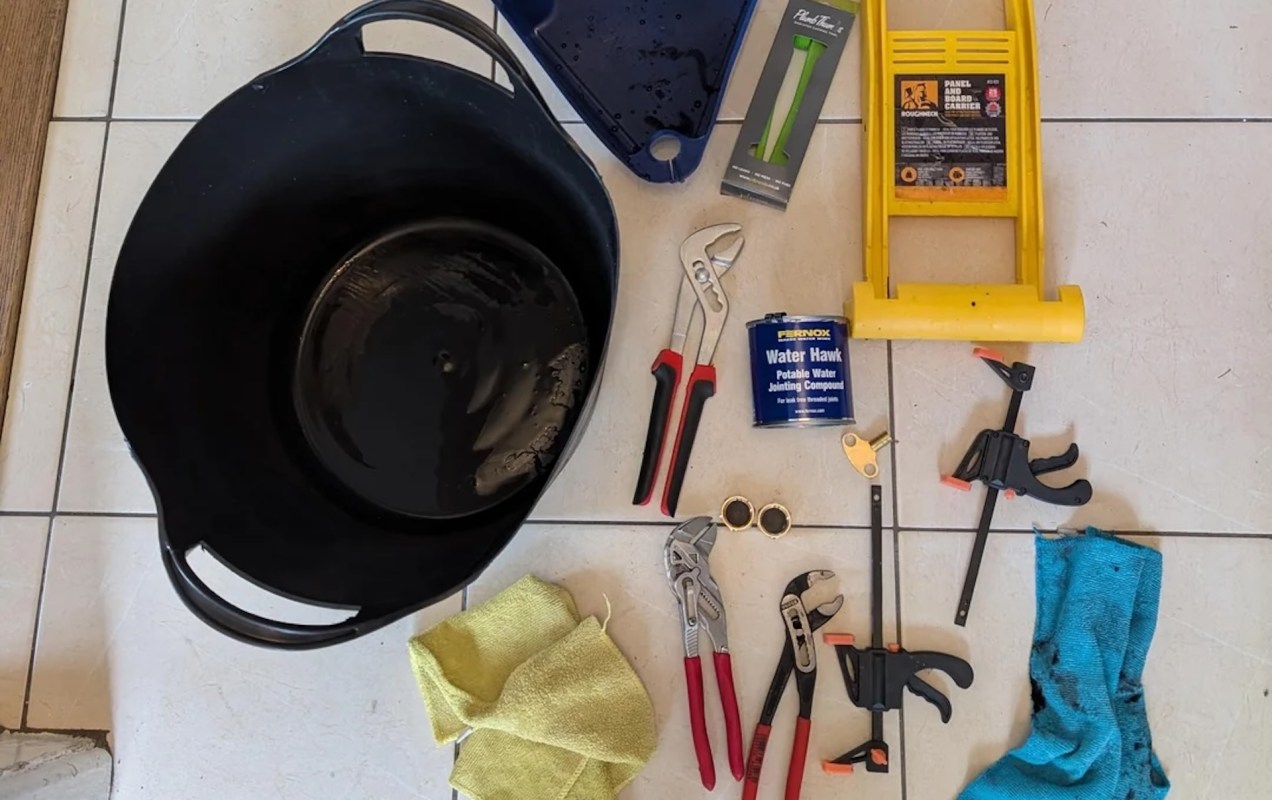
One do-it-yourself radiator clean in an older U.K. home led to a bigger realization: Debris left elsewhere in the heating system would not stay isolated for long.
Rather than continuing through all 10 radiators one by one, the homeowner ended up rethinking the plan entirely.
Here's what to know
On the r/DIYUK subreddit, the poster said the age of the house and the awkward setup made the work slow.
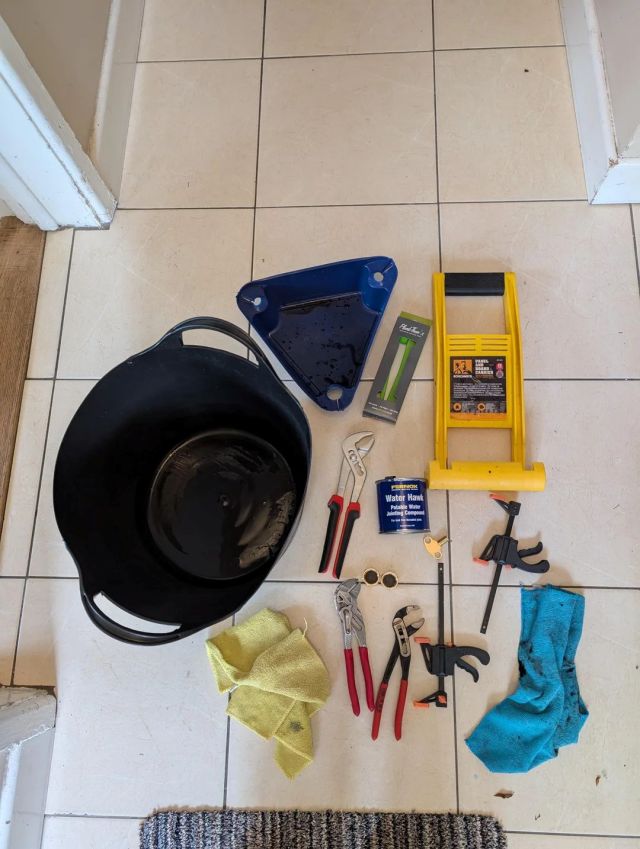
"We need to clean out all the radiators. Due to it being in an old house and quite awkward, it takes around one hour or so for each (10 total)," they revealed in their post.
After removing, cleaning, and reinstalling one radiator, the homeowner asked whether buildup from the rest of the system would simply circulate back into it once the heating was used again.
Commenters largely said yes.
TCD Picks » Quince Spotlight
💡These best-sellers from Quince deliver affordable, sustainable luxury for all




"Yes and all the crud in the pipes too; did you add a system cleaner and run it at least before starting this?" a highly upvoted user wrote. "That's why dynamic flushing is recommended and not static emptying of rads one by one."
That system cleaner callout was suggested by many in the thread, as was doing everything at once as opposed to in the one-off style.
The homeowner later returned with an update to their original plan of continuing radiator by radiator: "Will add a system cleaner (X400) and leave for a few weeks before fully flushing the system."
More background
The project began because "some rads don't get hot enough," according to the original poster's telling.
Several commenters also said that dark water by itself is not proof a radiator has been properly cleaned. After the homeowner shared that "black water came out, no sludge," one commenter delivered a less hopeful update.
They wrote, "The water will always be black. That doesn't mean you've done anything productive, sorry to say."
Commenters noted that dirty system water can also contribute to boiler-related issues. As one person divulged, "Heat exchanger and diverter valve packing up is a good sign. Don't ask me how I know...."
Another commenter described the longer-term result after a professional flush with a plumber.
"Before, the water was brown, now three years on, when I bleed the rads it is still clear," they wrote.
What can be done?
The main recommendation was to treat the heating setup as a single system rather than a series of separate radiator jobs. Commenters suggested adding a system cleaner first, then doing a full flush or powerflush instead of repeatedly draining individual radiators.
People also recommended fitting a magnetic filter, or "mag flow cleaner," on the boiler return to catch circulating debris and make later maintenance easier. Several commenters said an inhibitor should be added afterward.
For homeowners who would rather not handle the whole process themselves, a plumber could do the work. On the flipside, another commenter noted that powerflush equipment can be hired for the day by people comfortable with a more advanced DIY job.
Where can I learn more?
Keeping HVAC equipment clean can help avoid the kind of recurring performance problems commenters warned about here.
• A neglected wall heater can drive up bills fast and invite costly repairs.
• Basic water heater upkeep helps keep it running in tip-top shape for longer.
• Regular AC drain line care can clear out all the gunk before clogs spread.
• Dusty refrigerator coils can save money on energy bills once the buildup is removed.

Get TCD's free newsletters for easy tips, smart advice, and a chance to earn $5,000 toward home upgrades. To see more stories like this one, change your Google preferences here.






