


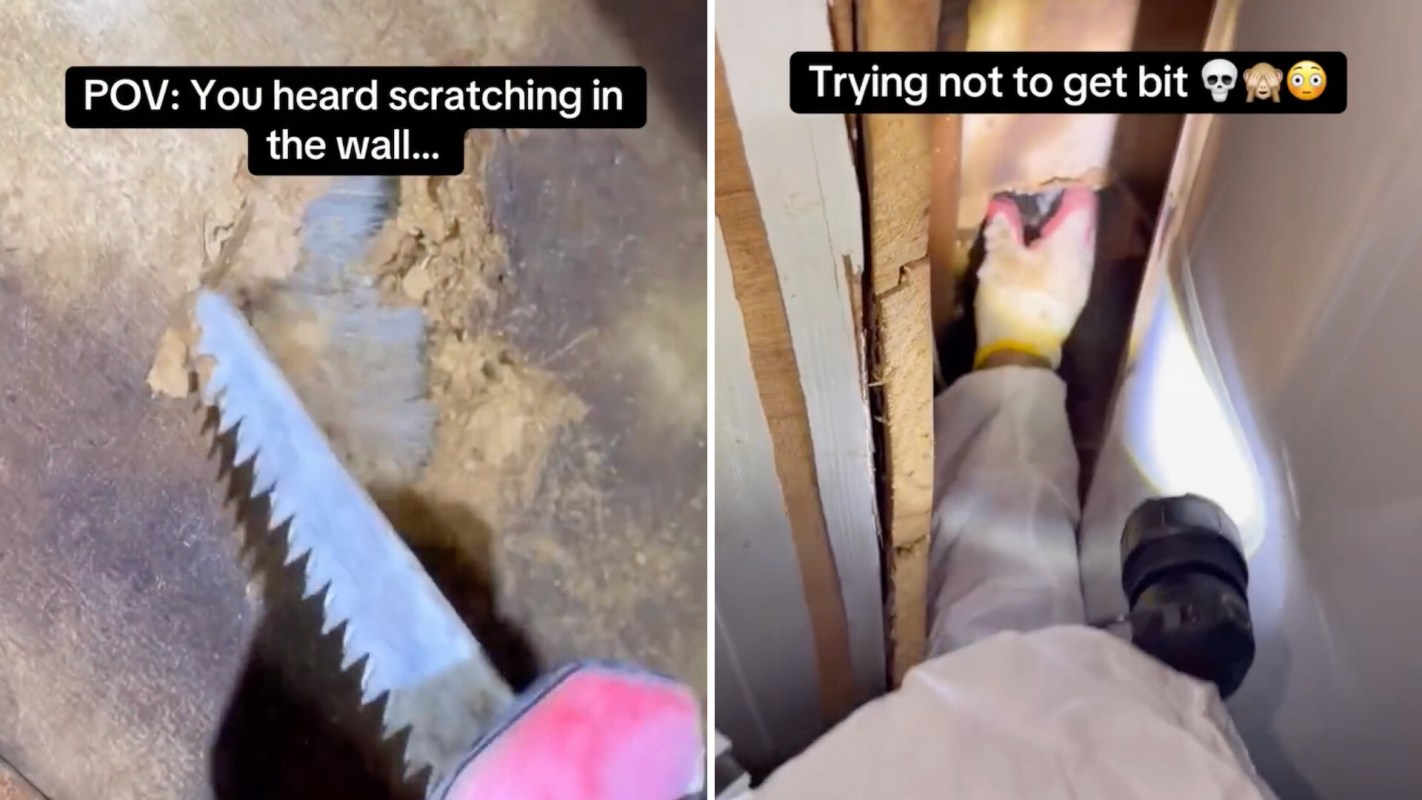
What seems like a small scratching noise in the wall overnight may, by morning, point to a far bigger problem inside the house.
After showcasing a now-viral raccoon removal video from a New Jersey home, one wildlife removal business is explaining what it means for your home even after any animals are gone.
What's happening?
In an Instagram post, New Jersey-based Attic Fanatics (@attic_fanatics) summed up a common homeowner nightmare in blunt terms.
"You hear scratching in the wall at 2 AM," the caption began. "Most people hope it goes away. Unfortunately, more often than not this is what's waiting on the other side."
The footage then showed angry raccoons being removed from the Garden State homeowner's walls, with the animals screeching throughout the removal.
The company's main point, however, was that the true cost of a wildlife intrusion incident often extends far beyond simply getting the animal out.
TCD Picks » Quince Spotlight
💡These best-sellers from Quince deliver affordable, sustainable luxury for all




"People think we're charging to remove a raccoon," the post said. "[But] we're charging to deal with everything the raccoon left behind."
Raccoons rarely get into walls, attics, or crawl spaces without causing broader damage. Once inside, they can rip through insulation, leave waste, build nesting areas, and turn hidden parts of a home into major sanitation and repair problems.
The company suggested that a few unexplained nighttime noises can be easier to dismiss than the larger trouble they may signal.
Why does it matter?
This kind of intrusion can quickly become expensive, stressful, and disruptive. A raccoon in the wall is not just a wildlife issue; it can also become a home-maintenance issue, an indoor air quality issue, and, in some cases, a health concern if contaminated materials need to be removed.
It also reflects a broader pattern in the growing overlap between people and wildlife. As development expands and natural habitat shrinks, many animals are pushed closer to neighborhoods.
At the same time, human environments offer tempting alternatives: trash, pet food, roof gaps, warm attics, and quiet wall voids.
These encounters are not purely random. Human activity often creates the conditions that make homes attractive to adaptable wildlife. Raccoons are especially skilled at taking advantage of the shelter and food sources people unintentionally provide.
What can I do?
If you hear scratching, thumping, or movement inside walls or above ceilings, it is worth acting early rather than waiting it out. The longer an animal stays inside, the more likely it is to leave behind damage and contamination that make cleanup harder.
Basic home hardening can go a long way toward making a property less appealing to wildlife. Seal entry points around roofs, soffits, vents, and siding. It's also important to secure trash cans and avoid leaving pet food outside overnight.
If an animal is already inside, homeowners may want to call a licensed wildlife removal professional rather than trying to handle it alone. Clearly, removal is only part of the job; inspection, cleanup, and repairs matter, too.
Prevention is cheaper than restoration. When prevention fails, acting fast can help limit the impact on your home and your budget.

Get TCD's free newsletters for easy tips, smart advice, and a chance to earn $5,000 toward home upgrades. To see more stories like this one, change your Google preferences here.






