


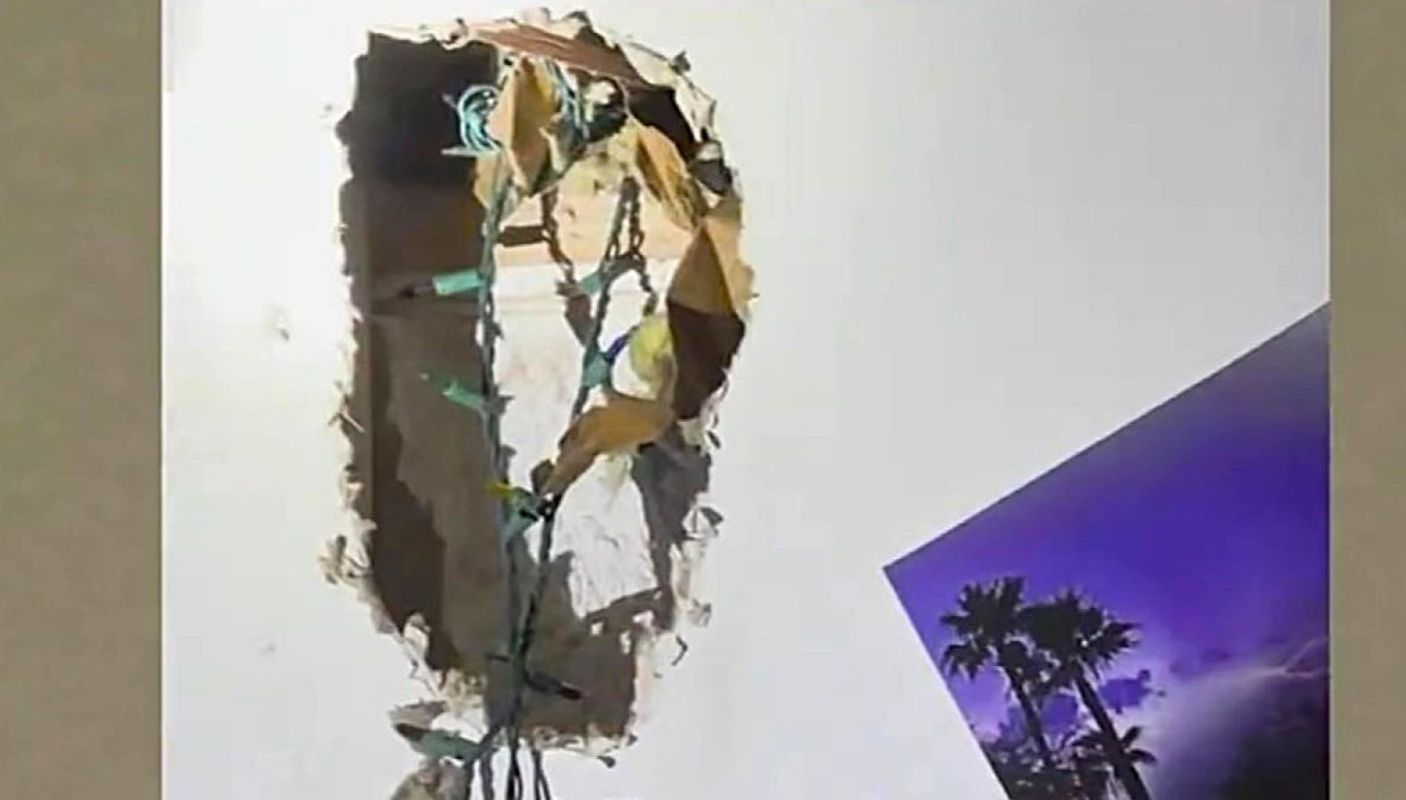
Inside a San Francisco apartment, weeks of unexplained scratching in the walls turned into a nightmare when tenants discovered a mother raccoon had been nesting there with her babies — and eventually broke through into a bedroom.
The ordeal left two roommates sleep-deprived and displaced while raising a broader question about what protections renters have when wildlife gets inside a home.
What happened?
According to tenant Isaac Brodkin, the noises started in April and seemed to be coming from inside his bedroom wall.
"The sound just kept getting more and more intense, just like a horror movie would, and I couldn't sleep," he said.
After the roommates contacted their property managers, an inspector verified that raccoons were in the wall, KGO reported.
A repellent treatment was then tried, but weeks later the animals were still there.
TCD Picks » Quince Spotlight
💡These best-sellers from Quince deliver affordable, sustainable luxury for all




The problem soon became more than just noise. The mother raccoon got in through a hole on the building's exterior, gave birth inside the wall, and later broke into Brodkin's bedroom.
The roommates closed off the room and called animal control, even as baby raccoons could still be heard inside the wall.
It took until mid-June for an exterminator to open the wall, after the raccoons had remained there for about two months.
Why does it matter?
It disrupted the tenants' sleep, made part of their apartment unusable, and left them feeling unsafe in their own home.
"I definitely was scared. I thought an animal was going to break in," Brodkin said.
Human-built spaces can create dangerous conflicts with wildlife. In dense cities, animals such as raccoons often adapt to buildings, attics, wall cavities, and other structures that provide warmth and shelter.
As BBC Future has reported, many human-wildlife encounters are shaped by the ways people expand into or alter animal habitats.
In this case, a gap in the building's exterior appears to have helped cause the problem. The result was stress and financial consequences for the tenants, along with a grim outcome for the raccoon family.
The mother raccoon did not survive the eventual removal, showing how delayed action can harm both people and animals.
What's being done?
Tenant rights attorney Rahman Popal said California renters do have legal protections in situations like this.
"A tenant has a right to a safe and habitable home. And they also have the right to quiet enjoyment," Popal said, per KGO. "Very obviously, a scenario where there's a wild animal intruding into their private space, unexpected, would intrude upon those rights."
The tenants ultimately received about $4,600 in reduced rent and moving expenses.
San Francisco Animal Care and Control also said that officers would not attempt to remove the animals unless there is an urgent need.
"I was sad about that because I felt like I'd gotten to know this family by living so close for two months," Brodkin said, per KGO.
As for the babies, he added: "I hope they're in Golden Gate Park and living their best life."

Get TCD's free newsletters for easy tips, smart advice, and a chance to earn $5,000 toward home upgrades. To see more stories like this one, change your Google preferences here.






