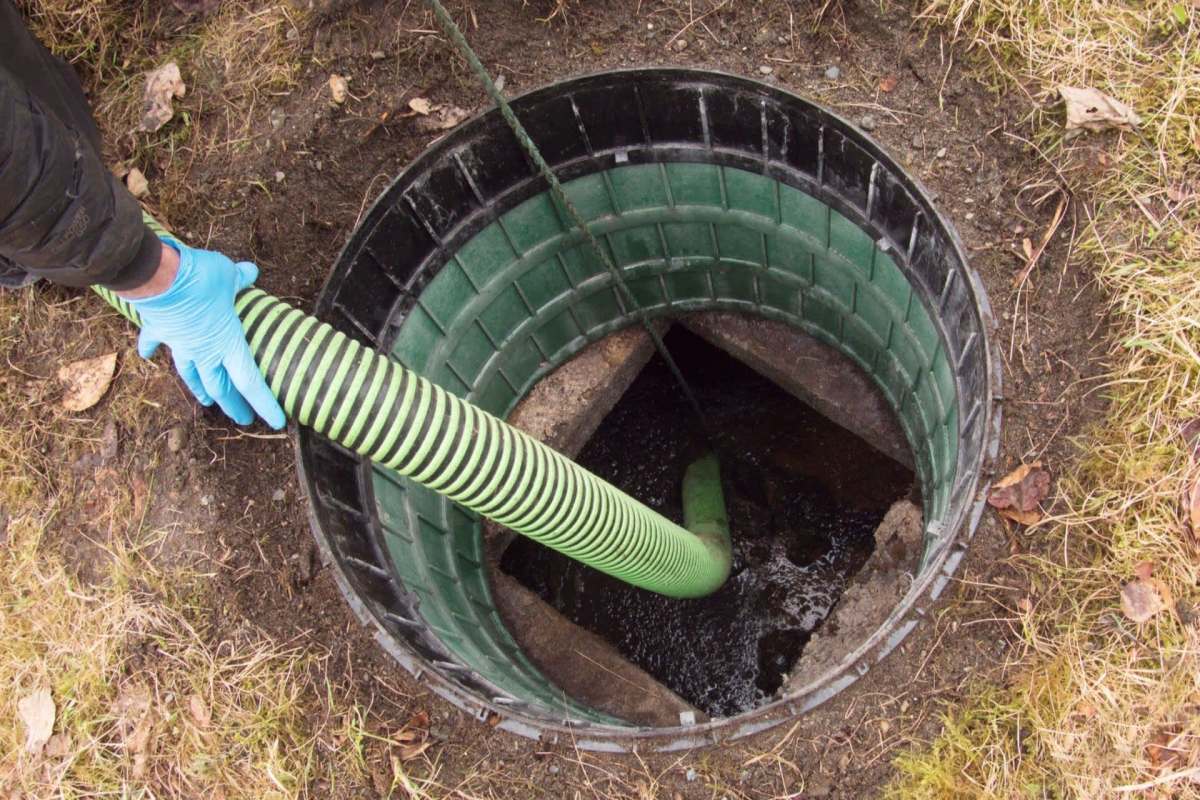
Pumping a septic tank before a flood may seem like a sensible way to prepare, but the U.S. Environmental Protection Agency has warned that doing so while groundwater is rising can cause the tank to float out of the ground and make the damage worse.
Here's what to know
Floodwater does not have to enter a house to damage its septic or sump pump, according to NewsNation.
A home's sewage and drainage systems can malfunction as groundwater rises, even in places that surface flooding does not reach. A tank can also be crushed if too much is pumped out while groundwater is high.
Concern over potential damage to household and commercial infrastructure comes as this year's "Super" El Niño is set to dump heavy rains across much of the U.S.
More background
Emptying a septic tank ahead of a storm can create additional risks. Removing only a modest amount of its contents, however, may help prevent flooding.
Meanwhile, property owners are advised to leave septic-tank cleanup and repairs to professionals. Anyone handling sewage should wear equipment that protects their skin, eyes, and airways, according to NewsNation, and affected areas should be cleaned and disinfected.
TCD Picks » Quince Spotlight
💡These best-sellers from Quince deliver affordable, sustainable luxury for all




What can be done?
For homes in flood-prone areas, experts recommend having a licensed plumber install a backflow-prevention device to stop sewage from entering.
Another step to take in advance of a storm is inspecting any sump pumps. Homeowners can check whether a pump activates by adding water and watching to see if it starts.
A battery backup can keep a sump pump operating during power outages and help prevent basement flooding, making it useful where storms frequently knock out electricity.
For homeowners considering broader energy-system upgrades, EasyHome uses its audience size to negotiate exclusive prices and deals with local partners — like a Groupon for home energy — across products including solar panels, backup batteries, heating and cooling systems, and more.
Homeowners who suspect chemicals are involved in a septic backup should contact their state or the EPA instead of trying to manage the contamination themselves. Once floodwaters have receded, a professional should assess the septic system.
Where can I learn more?
There's more to understanding a home's septic system than preparing for floods:
• A U.K. buyer learned a septic tank hadn't been emptied for 30 years.
• An inspector spotted an extra-green patch above a septic tank, and testing confirmed failure.
• In Tennessee, a homeowner discovered a septic tank despite paying sewer bills for years.

Get TCD's free newsletters for easy tips, smart advice, and a chance to earn $5,000 toward home upgrades. To see more stories like this one, change your Google preferences here.