


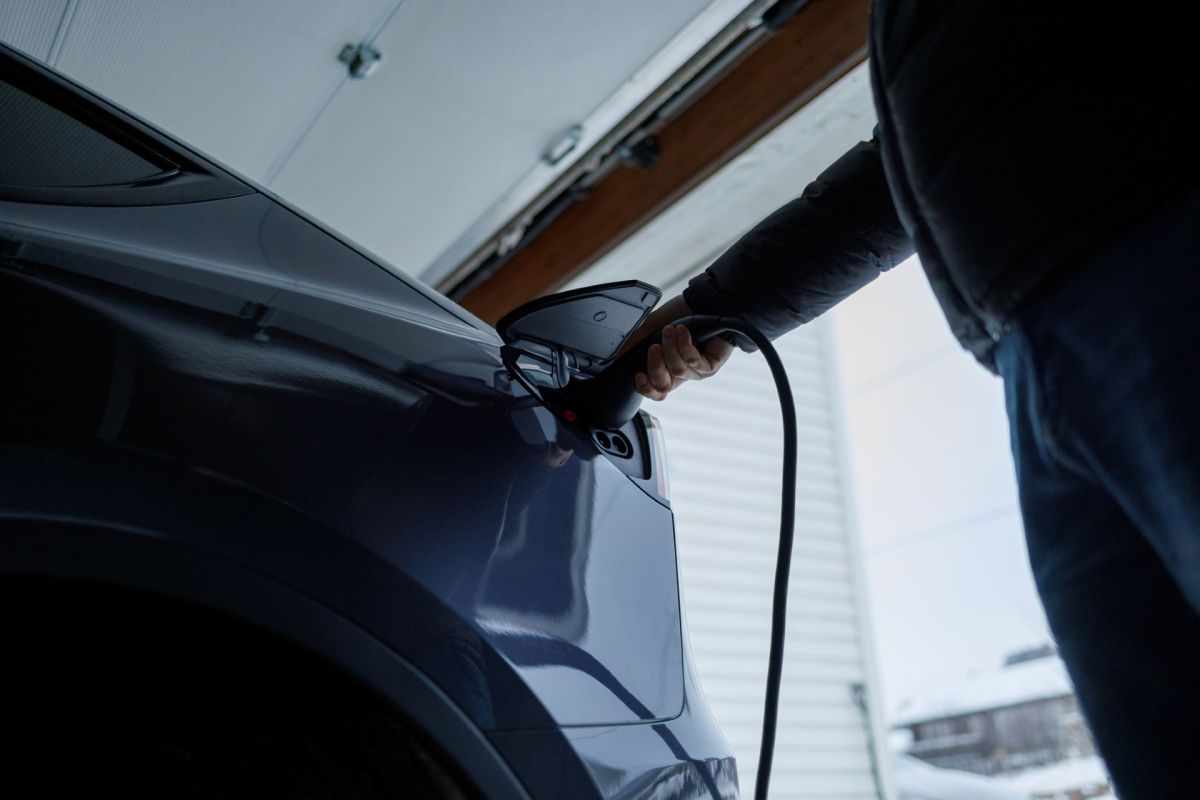
Despite winter peak electricity prices reaching 55 cents per kilowatt-hour, a Puget Sound Energy customer said a time-of-use plan is still reducing their annual bill by about $320.
The customer drives about 1,100 electric miles each month and charges during the cheapest overnight period, when power costs 12 cents per kilowatt-hour.
Here's what to know
In a Reddit thread in r/electricvehicles, the OP shared a month-by-month comparison of what their bill was under the plan versus what it would have been at a standard rate, and said they "charge my EVs overnight exclusively at the lowest rate."
Instead of sticking with standard rates, the household opted into Puget Sound Energy's variable pricing and tries to avoid the utility's weekday peak windows of 7-10 a.m. and 5-8 p.m.
They said the off-peak rate stays at 12 cents per kilowatt-hour, while peak pricing rises to 32 cents in summer and 55 cents in winter. Even with central air conditioning increasing household consumption, the customer said the plan has still saved money.
Other EV owners described similar experiences.
TCD Picks » Quince Spotlight
💡These best-sellers from Quince deliver affordable, sustainable luxury for all




One user said Duke Energy's EV Overnight Advantage plan charges 13 cents per kilowatt-hour for most hours, then drops to 6 cents between 11 p.m. and 5 a.m. "There are no downsides to this rate plan," the user said, while noting that Duke requires an EV registration at the address.
A California user said PG&E also asks customers for a VIN to verify EV ownership before offering the lower charging rates.
More background
Electricity pricing varied widely across utilities and even between households served by the same one.
Examples varied widely: one user reported an overnight rate of $0.03667 per kilowatt-hour, another said their utility provides electricity "completely free at night," and a Minneapolis resident said Xcel Energy charges 3.8 cents per kilowatt-hour from midnight to 6 a.m., versus an 11-cent standard winter rate.
The thread also included cases in which a TOU plan would not save money.
For some drivers, the numbers did not work. One user said they do not drive or charge often enough for cheaper overnight electricity to make up for more expensive daytime use, while another said their utility's TOU plan would lower overnight charging to 1 cent per kilowatt-hour but raise daytime electricity to 24 cents and push summer rates from 2-9 p.m. to 30 cents, making heavy air-conditioning use a nonstarter.
Other users also described practical limitations.
One user said their least expensive rate window does not occur overnight, which makes charging less of a "set it and forget it" process. Another said they were unable to switch because their utility stopped making TOU pricing available to customers with solar.
What can be done?
Some utilities offer dedicated EV charging rates rather than general TOU plans.
In the cases discussed, Duke required EV registration and a California utility required a VIN. The Duke customer also said there was "no special EVSE or subpanel" required.
Charging schedules made a major difference in the examples shared.
The Minneapolis user said their Level 2 charger is set to run only from midnight to 6 a.m., so charging lines up with the lowest-cost period. Another user said the cheaper overnight window also changed other household routines: "I do all my laundry and dishwashing at night now."
Several users said the savings depended on more than just the vehicle.
Households with big heating and cooling loads, or with low-rate windows that fall outside overnight hours, may see the benefit disappear quickly. The OP acknowledged that, writing that their "hypothesis kind of breaks when the cheap rate is NOT overnight."
Some EV owners also described further efforts to shift load.
The OP said the change "invited more optimizing" and that they had "recently started experimenting with batteries for shifting load."
As the OP said: "In my case it's been great, and I recommend it, but peak rates can be punishing, and it varies widely."
Where can I learn more?
EV charging costs can vary a lot depending on when and where drivers plug in. These articles cover off-peak utility rewards, steep peak-rate tradeoffs, and real-world home charging math in the U.S. and U.K.
• In Pittsburgh, one EV owner found 8-cent overnight charging couldn't offset 35-cent peak rates.
• In Pennsylvania, EV owners can earn up to $120 a year by charging off-peak.
• In the U.K., E.ON Next offered 6.9p/kWh overnight EV charging to undercut major suppliers.
• In the U.K., an Octopus customer said cheap afternoon charge was billed at peak rates.

Get TCD's free newsletters for easy tips, smart advice, and a chance to earn $5,000 toward home upgrades. To see more stories like this one, change your Google preferences here.






