


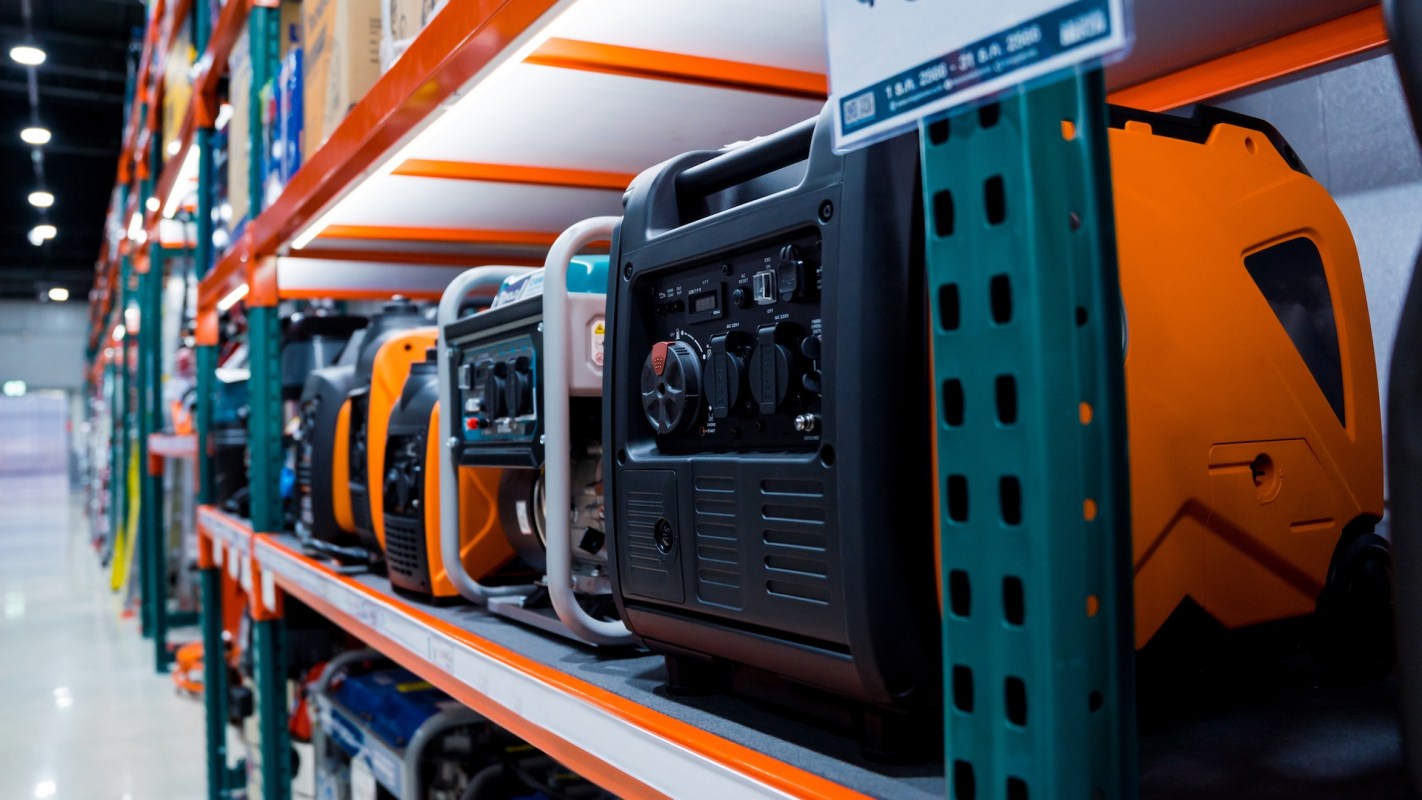
A renter in Puerto Rico wanted to know the most effective way to keep essential appliances running during a blackout.
Here's what to know
The Redditor said they had a studio apartment with a wall AC unit and a small fridge.
"There is no generator here," they noted, describing a common problem for renters who want backup power without keeping fuel on hand or bringing in a larger machine. They were also keen to avoid a fuel-burning generator, preferring an electric option.
Commenters pointed out that batteries and conventional fuel-based generators solve different kinds of outages.
"Any of the suitcase generators in the 2,500 to 3,500 running watt range would work," one said, as long as there was a safe outdoor place to run one.
"A battery system can work for short duration outages, but for any extended outages, you'll need an internal combustion engine generator," they added.
TCD Picks » Quince Spotlight
💡These best-sellers from Quince deliver affordable, sustainable luxury for all




Another said that "battery stations work for short outages but drain fast with AC," suggesting numerous batteries or an additional energy source would be needed.
Cost was an additional factor. One commenter noted that for "a wall AC unit and a fridge," a battery setup could require "about $400 per hour in batteries," with "thousands more in solar plus batteries for the overnight."
More background
Air conditioning made this a tougher backup-power problem than running small electronics in a rental. Keeping a wall AC unit going is different from powering a phone charger, lights, or even a laptop, because the unit can hit a startup surge.
"I'd aim for at least 3500W running, 4000W+ surge," one user cautioned.
That heavier startup load helped explain why several replies did not treat batteries as a stand-alone solution.
One user said, "An electric generator is just a large bank of batteries." Meanwhile, others argued that when AC is involved, battery packs fit better as a supplement than as a full replacement.
What can be done?
Replacement support was another factor users raised. One advised picking a common generator model so that parts and accessories would be easier to source later, whether the unit comes from a local seller or another vendor.
Someone also suggested the OP should research how a vehicle could support domestic energy needs in a blackout.
Where can I learn more?
With the risk of blackouts increasing as extreme weather events become longer and stronger, backup power is a useful consideration for both renters and homeowners.
• Home battery buyers found whole-house backup gets pricey once HVAC stayed on the list.
• One homeowner learned a portable power station was no easy match for wall AC.
• Ahead of hurricane season, homeowners realized one cool room can keep generator demands lower.
• An apartment renter considered a Jackery with balcony solar as electric bills climbed.

Get TCD's free newsletters for easy tips, smart advice, and a chance to earn $5,000 toward home upgrades. To see more stories like this one, change your Google preferences here.






