Pruning can feel intimidating, especially when every crop seems to have its own rules.
But a now-viral gardening post suggests that bigger blooms and better harvests may depend less on cutting everything back and more on knowing what to leave alone.
What's happening?
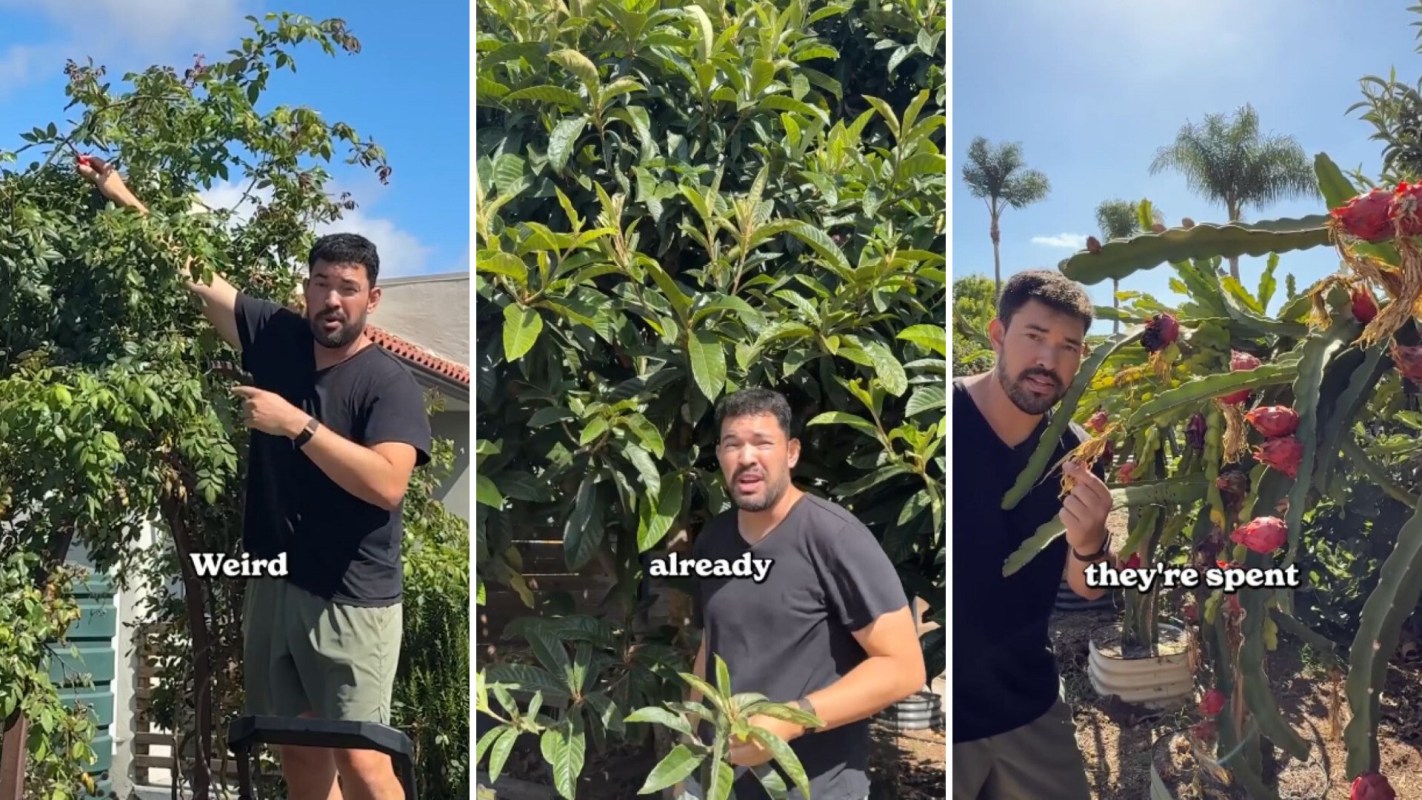
In a recent Epic Gardening video, the expert gardener walked viewers through several "weird pruning tips that actually work," describing pruning as a way to influence where a plant puts its energy, whether that's toward stronger growth, more flowers, or better fruit.
The advice varied by plant. For tomatoes, bush varieties are said to benefit from removing a few lower leaves to reduce disease pressure, while vining types are often managed by removing suckers and training the plant to one main stem.
The creator also said fruit trees can be pruned in summer to keep them smaller, as long as pruning occurs only after fruit has formed, and that climbing roses can take more aggressive cuts to shape them.
He also emphasized that sometimes the best move is to skip pruning altogether, warning, "Do not prune corn. Do not prune beans." Finally, he noted that peppers usually need very little pruning in most gardens.
TCD Picks » Quince Spotlight
💡These best-sellers from Quince deliver affordable, sustainable luxury for all




Why does it matter?
Getting pruning right can mean healthier plants and better yields without spending more on fertilizer, pesticides, or replacement plants.
In practice, that can look different depending on the crop. Removing lower tomato leaves may help limit soil-borne disease, while keeping fruit trees smaller can make harvesting easier in tight spaces. On the other hand, unnecessary pruning can waste a plant's energy or reduce yields altogether.
If you're growing food at home, the main takeaway is to tailor your pruning approach to the plant rather than using the same method everywhere. Targeted cuts may help roses, tomatoes, fruit trees, and dragon fruit, while corn, beans, and many peppers are often better left alone.
Plus, growing some of your own food can save money, encourage physical activity, and support mental health by reducing stress.

Get TCD's free newsletters for easy tips, smart advice, and a chance to earn $5,000 toward home upgrades. To see more stories like this one, change your Google preferences here.